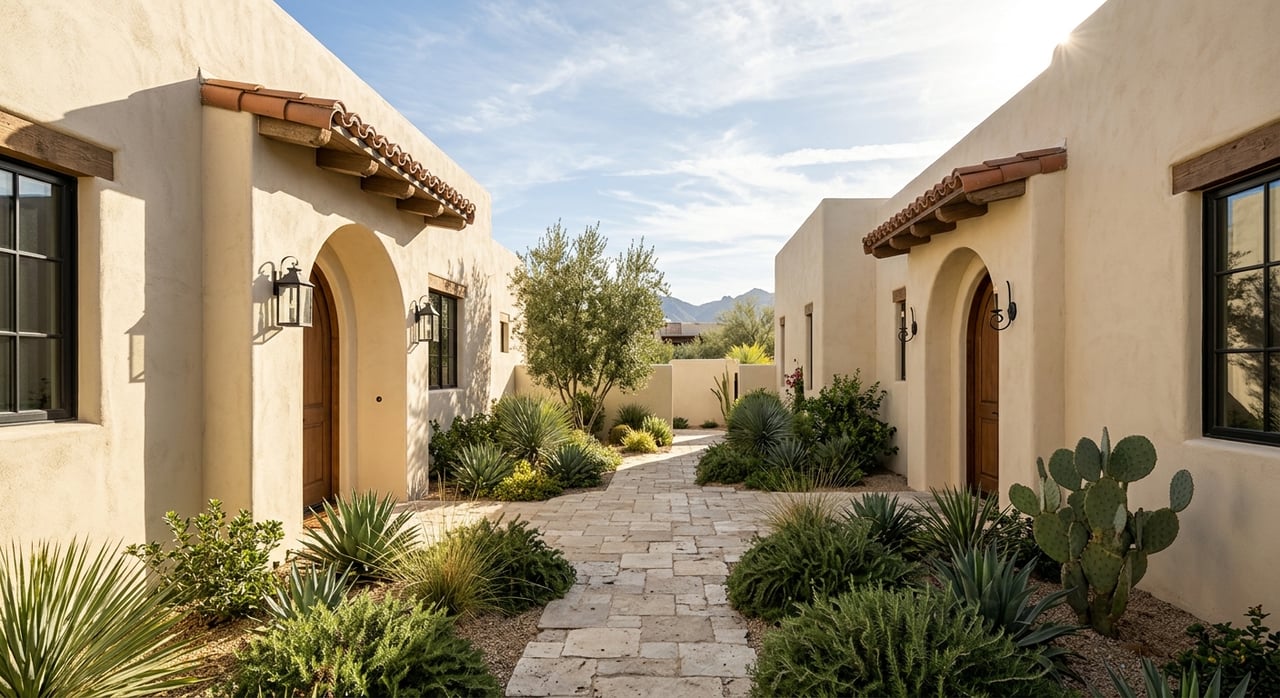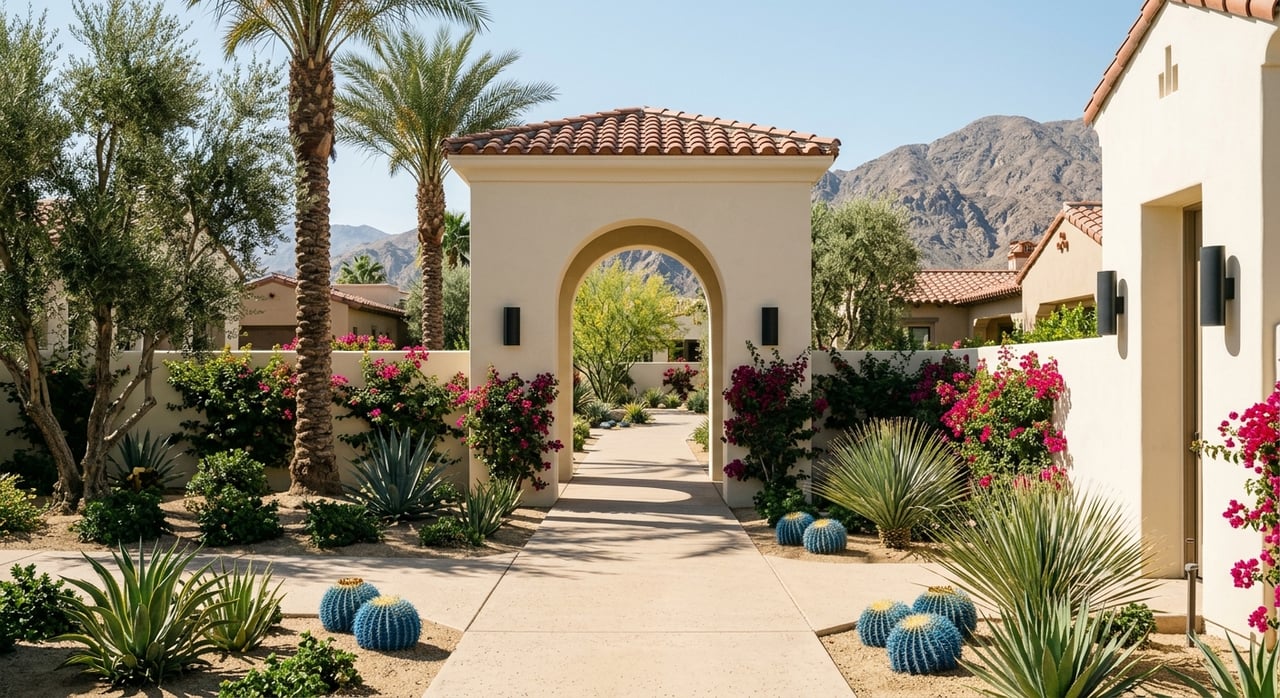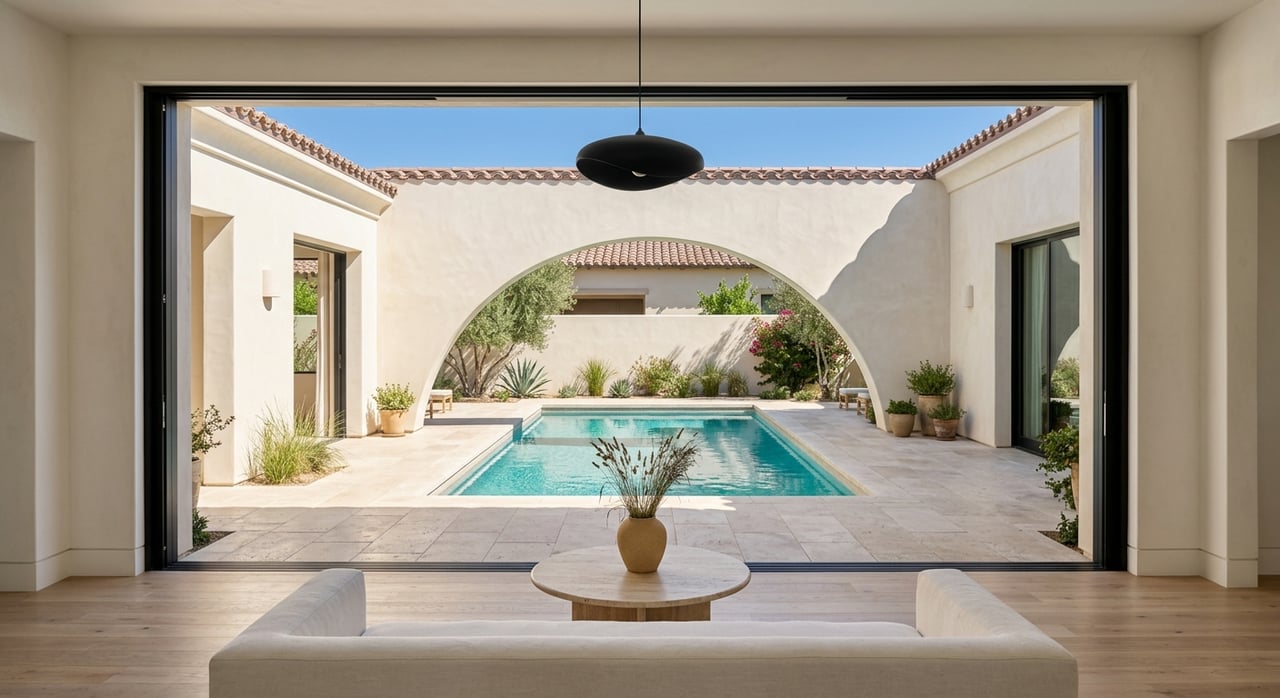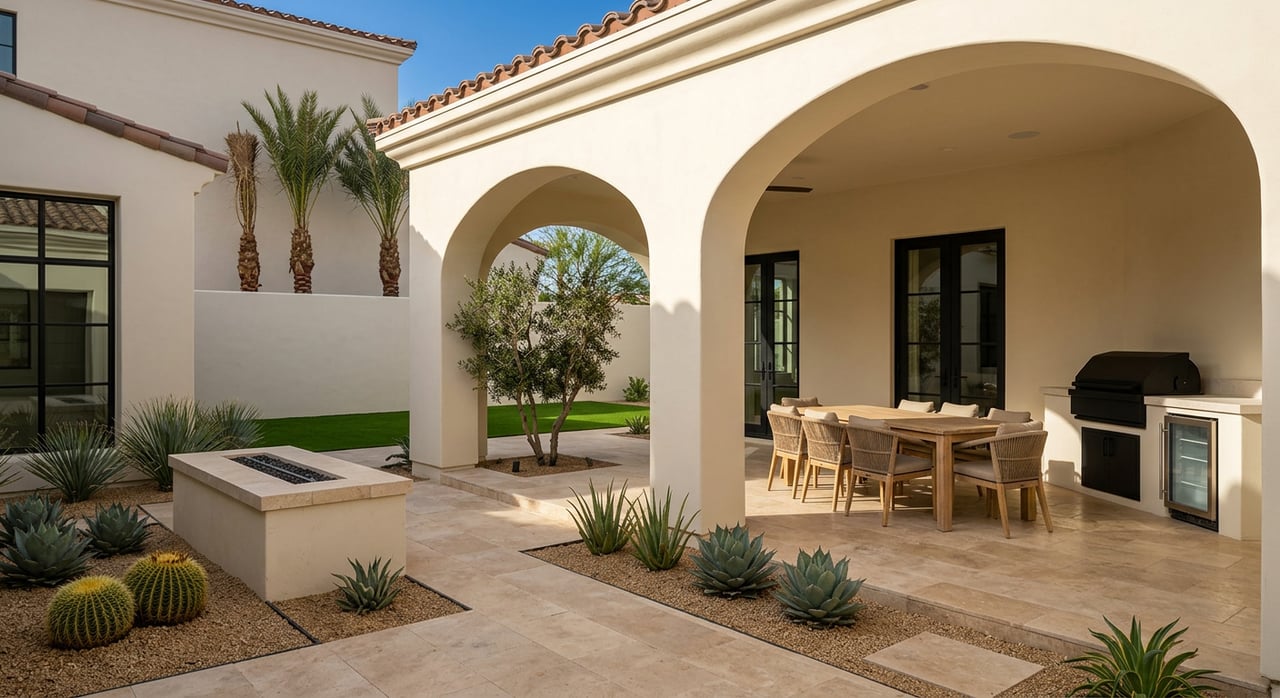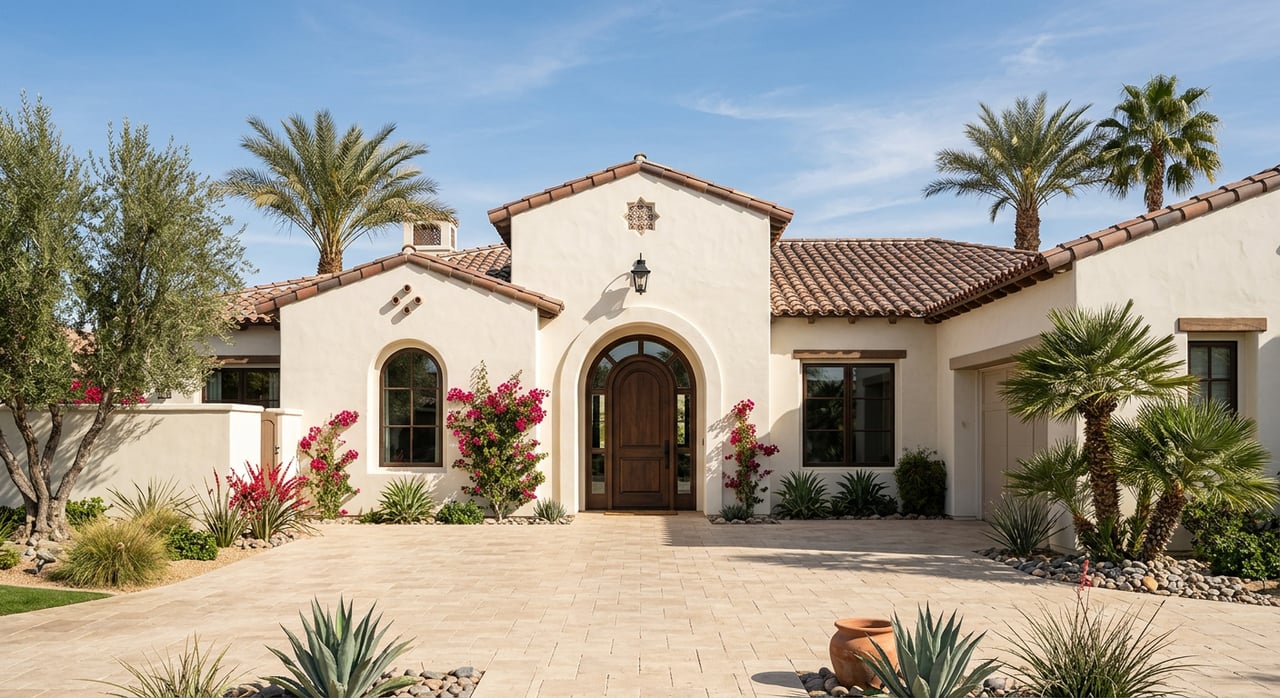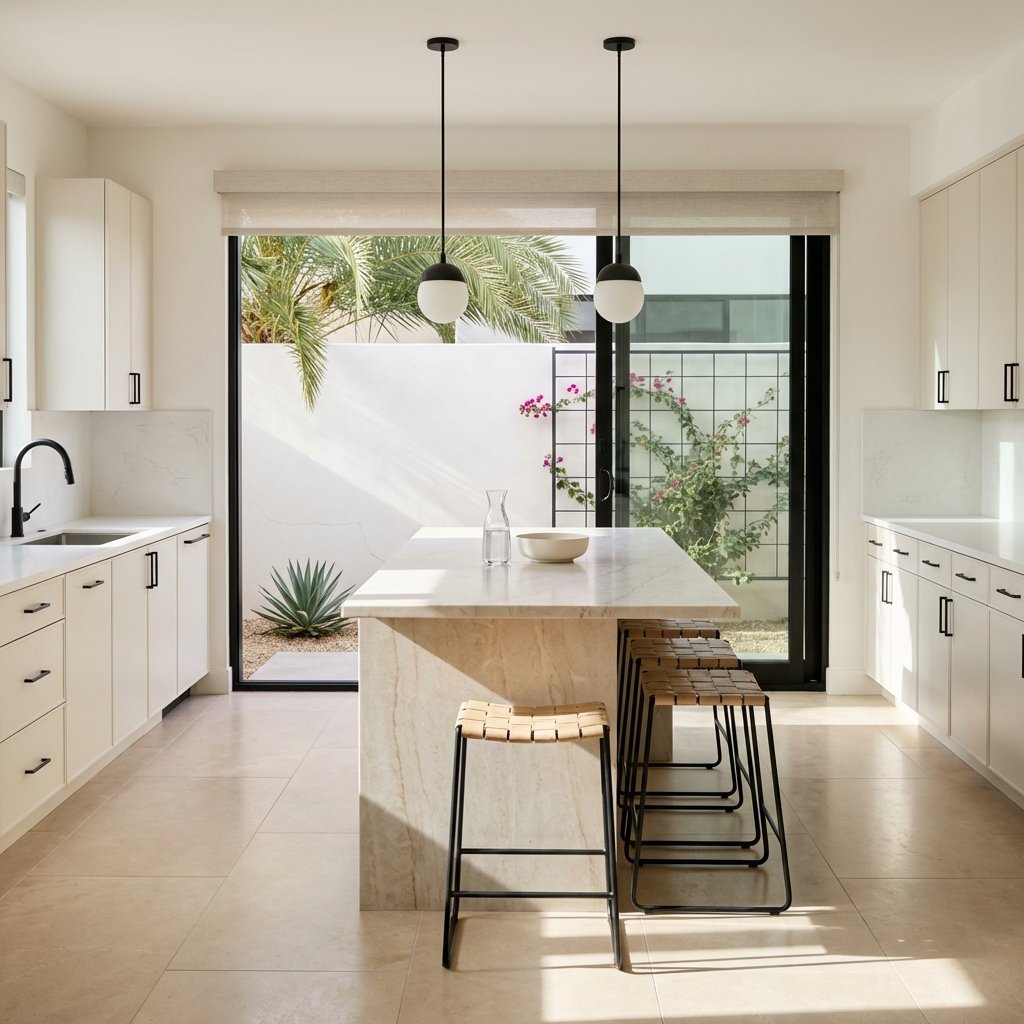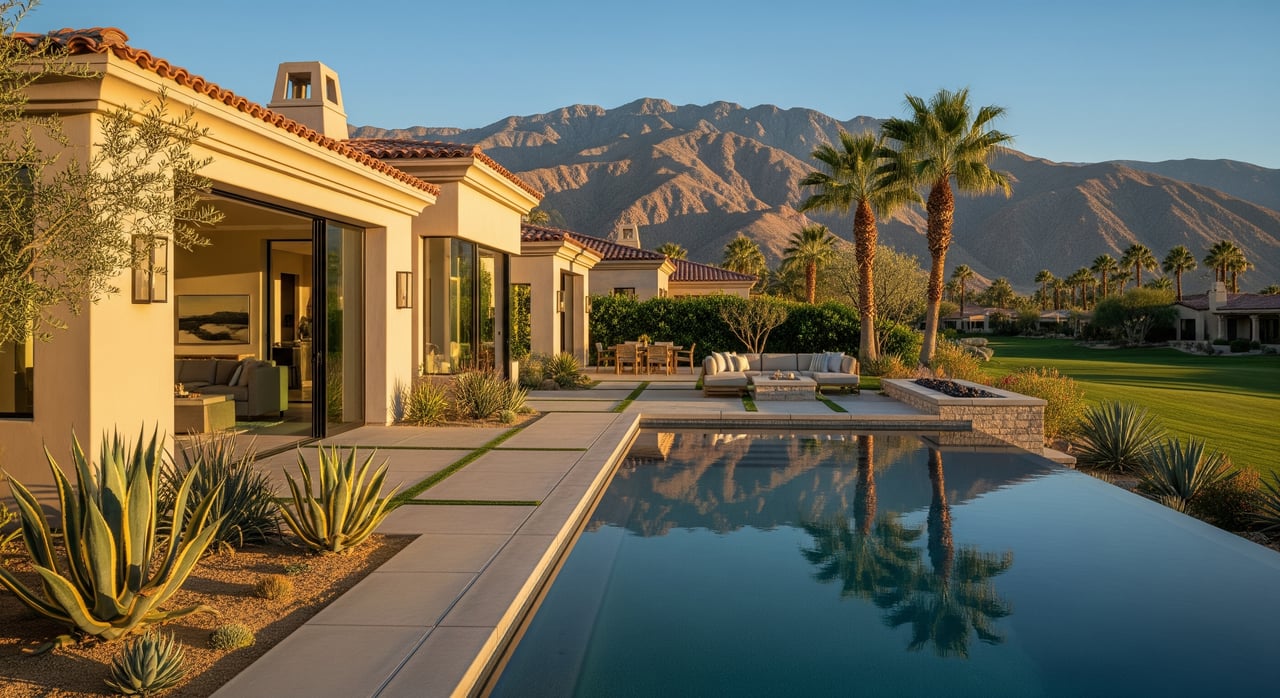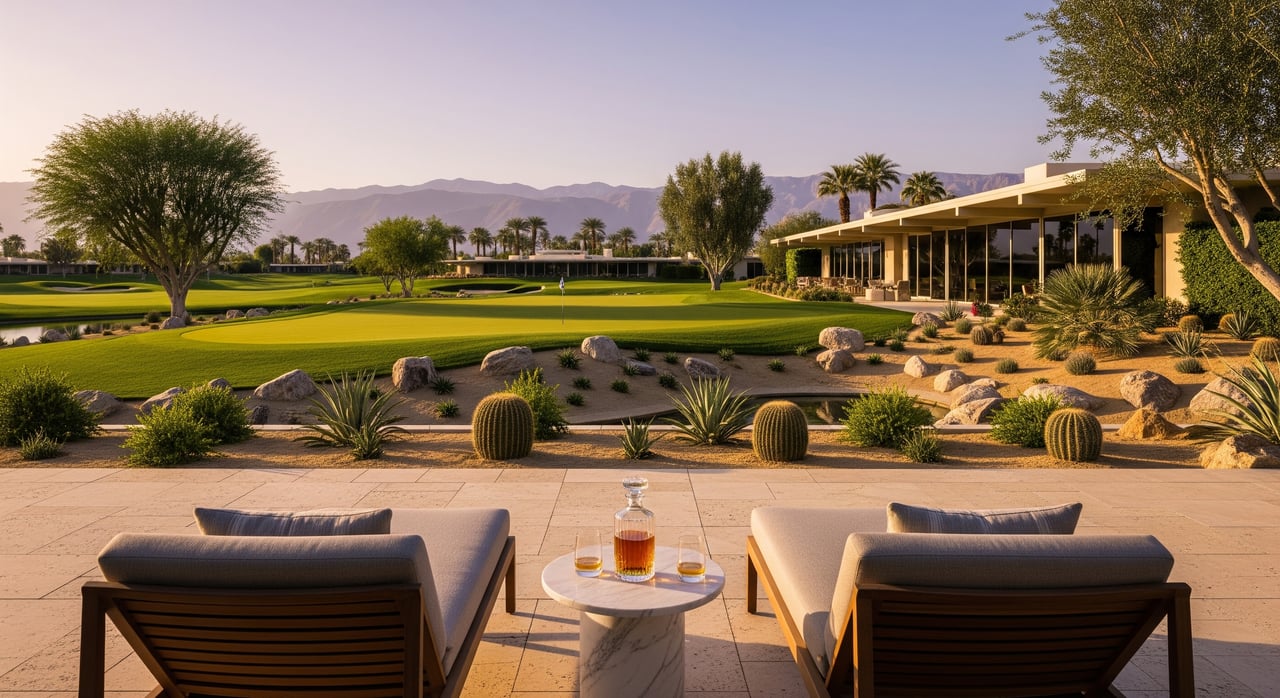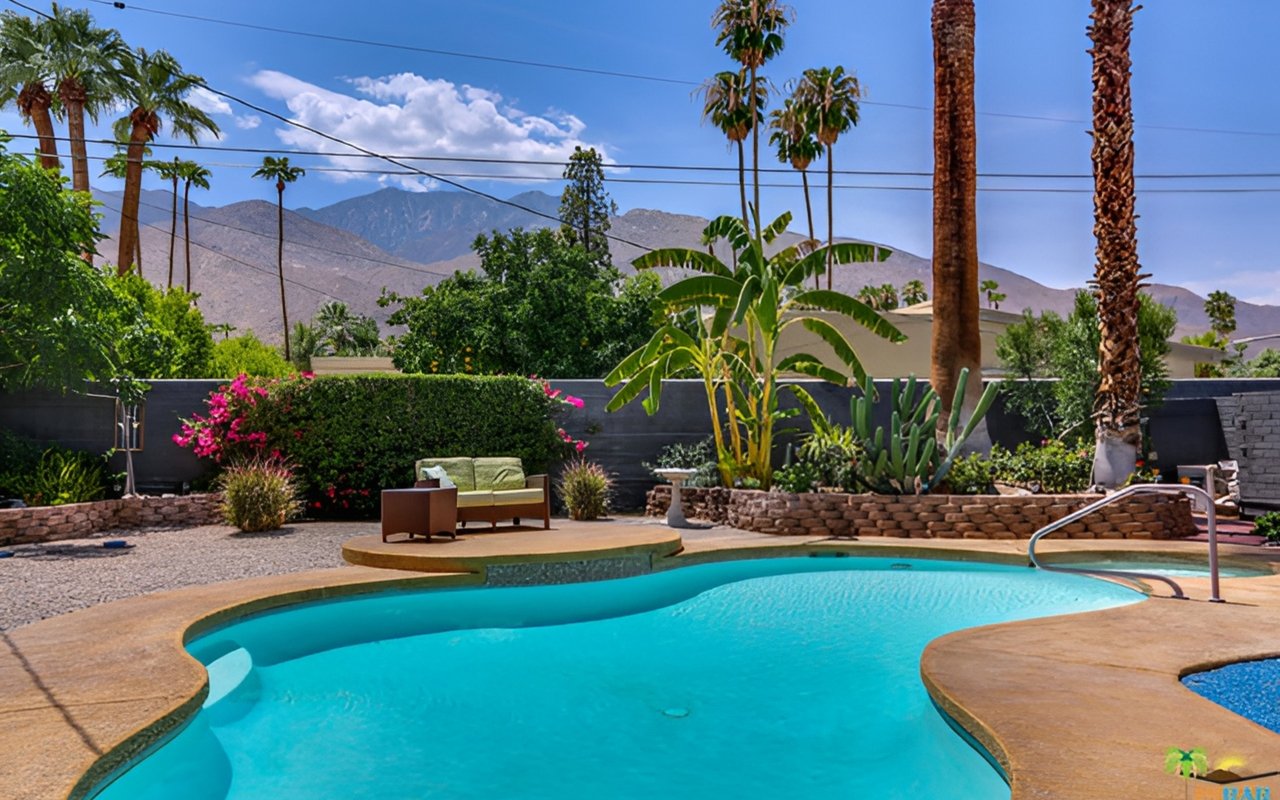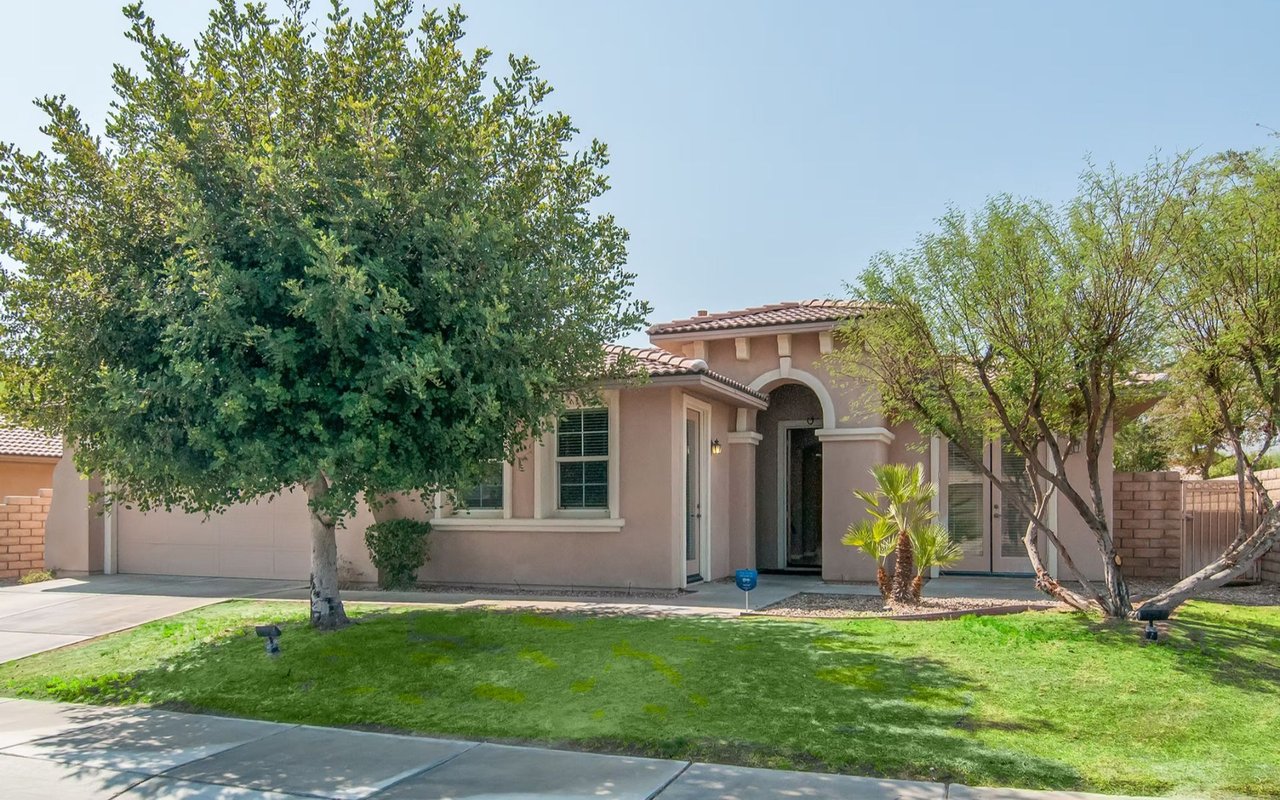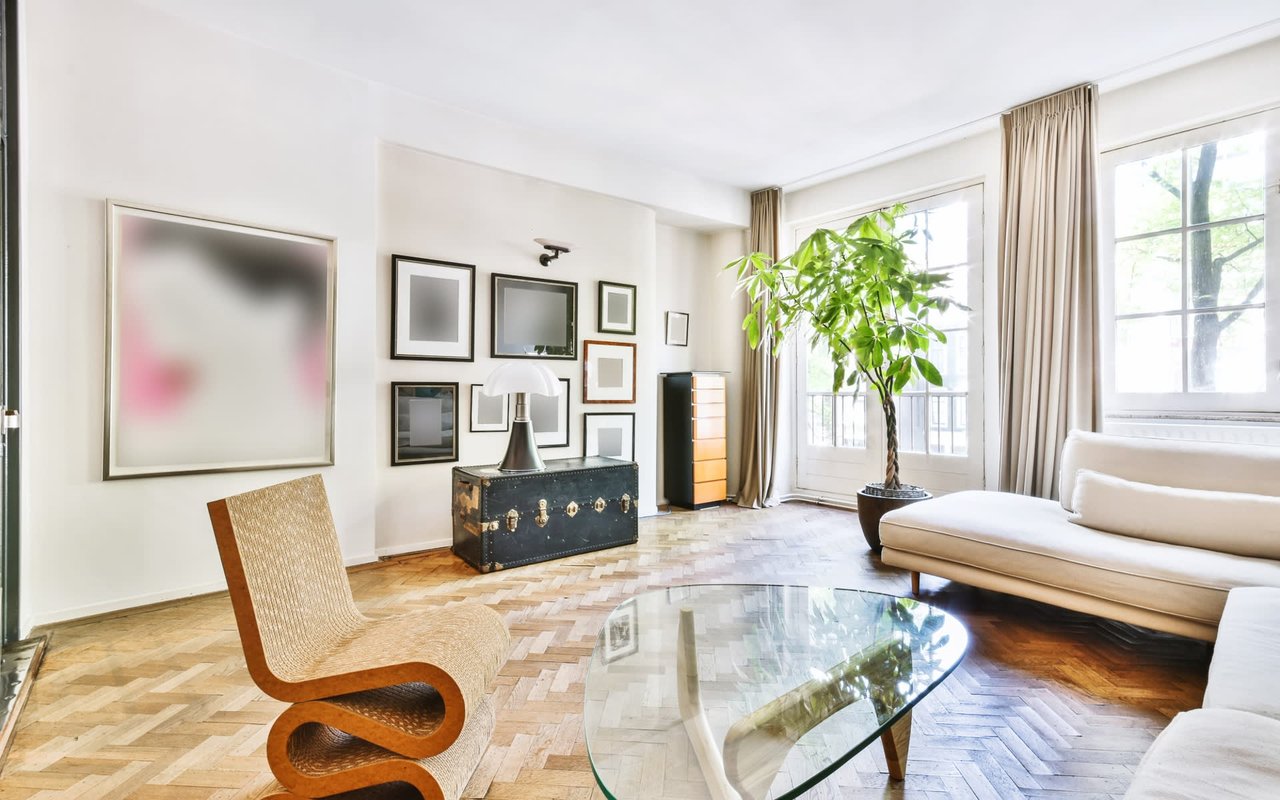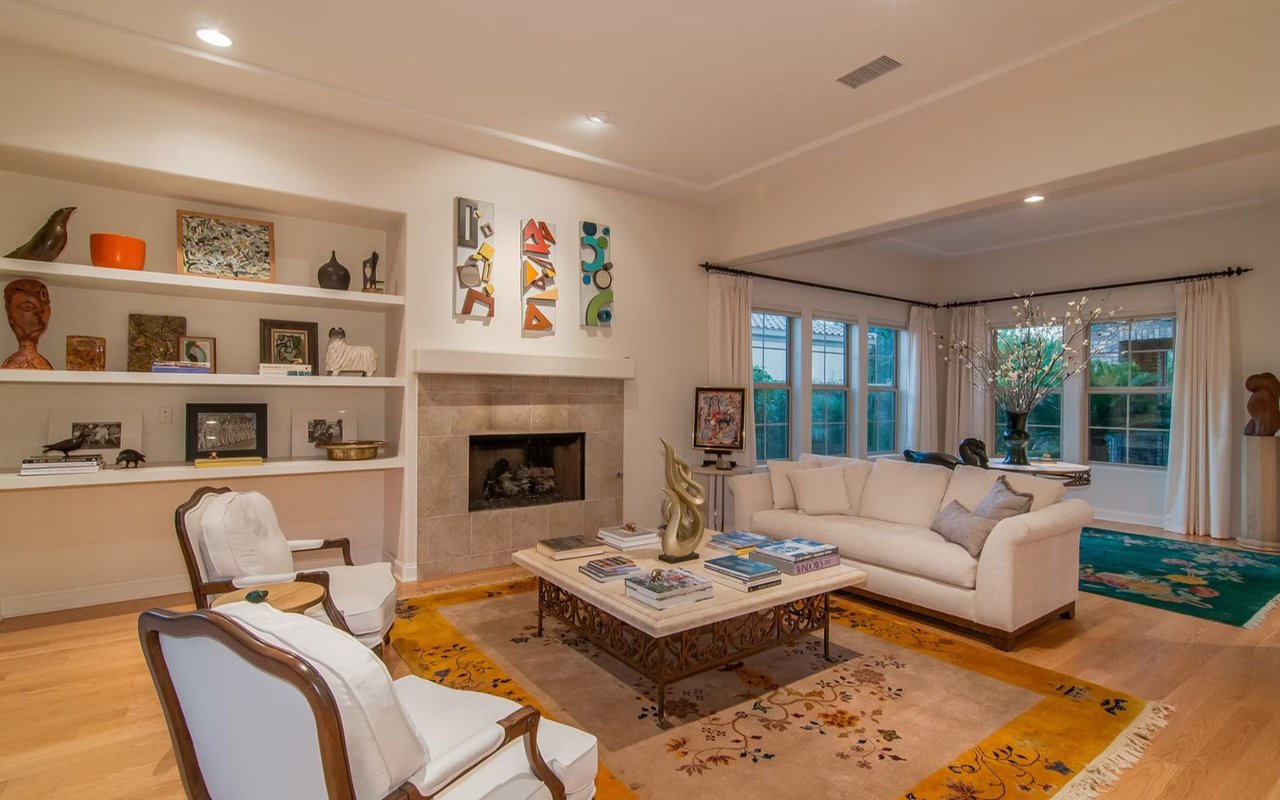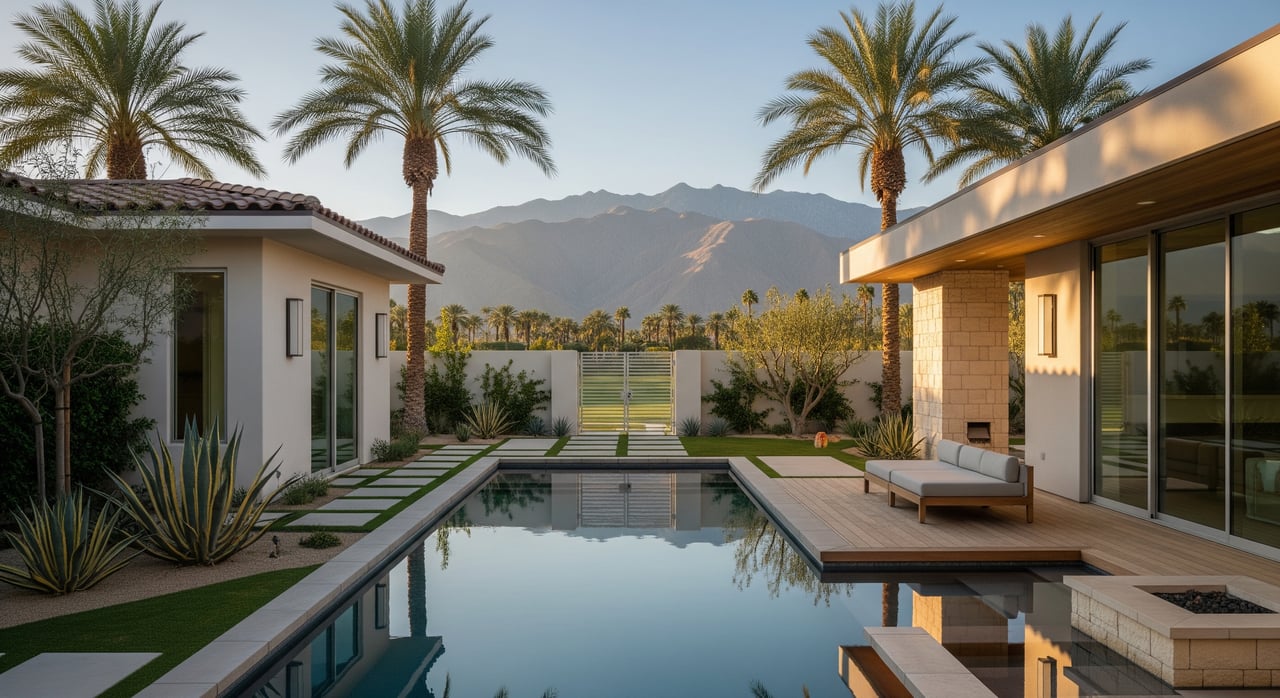
Wondering what it is really like to call Indian Wells home? If you love resort living, sunshine, and a slower pace, this small desert city may be a great fit. At the same time, you want a clear picture of the seasons, daily life, ownership costs, and the best timing to buy or sell. This guide walks you through the essentials so you can plan with confidence. Let’s dive in.
Why Indian Wells stands out
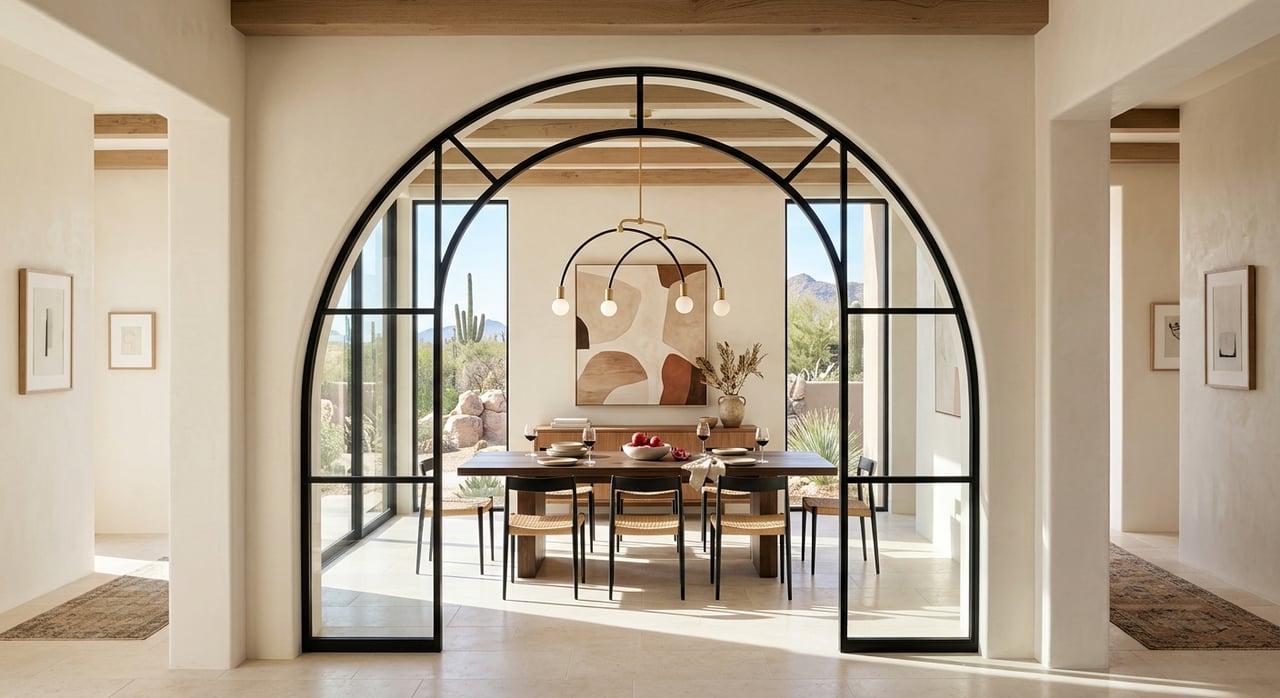
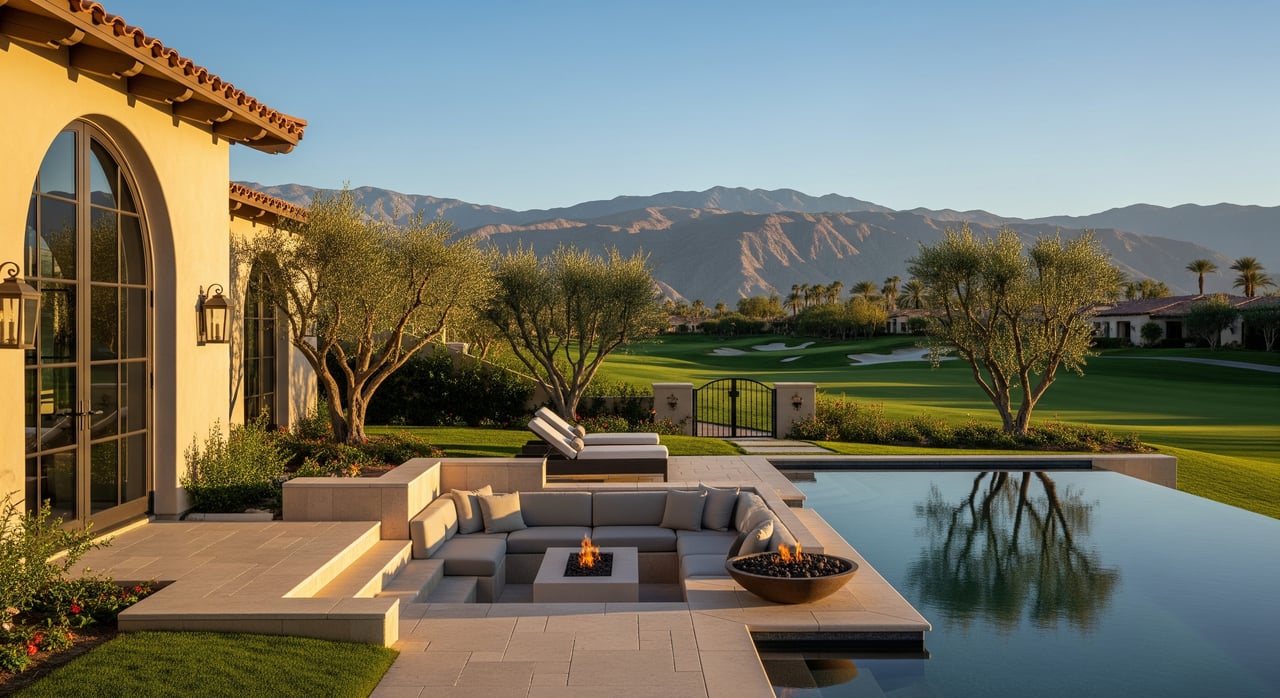
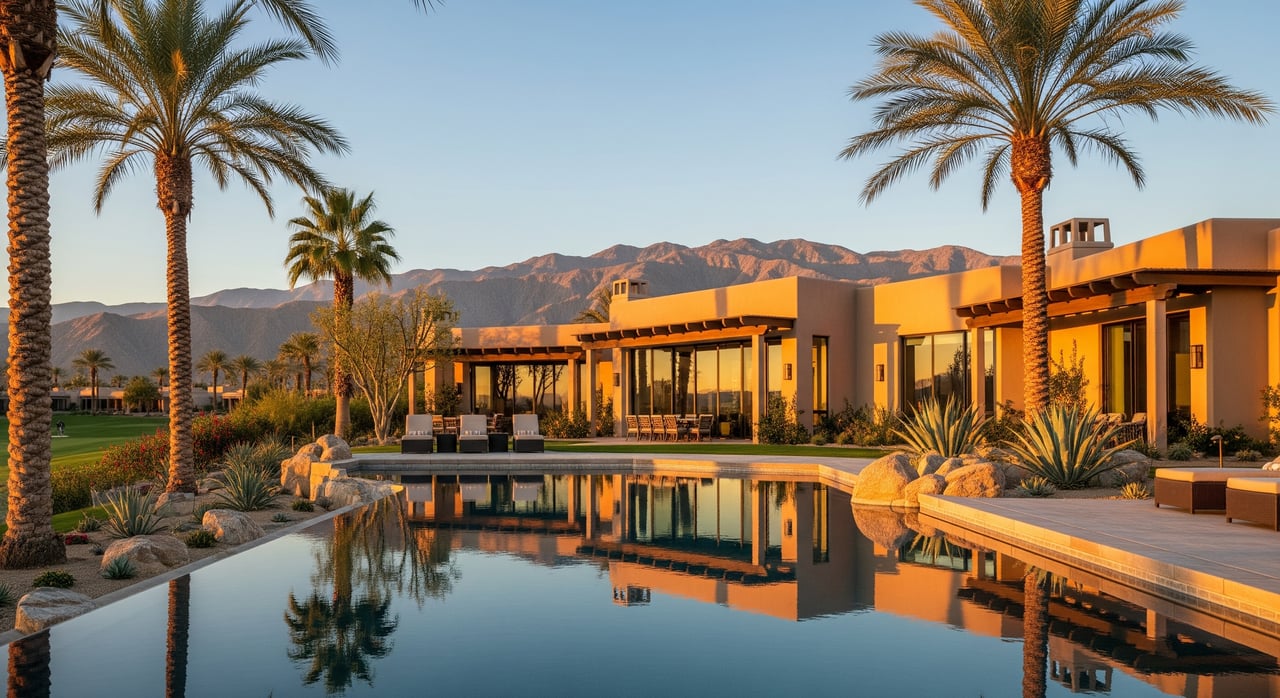
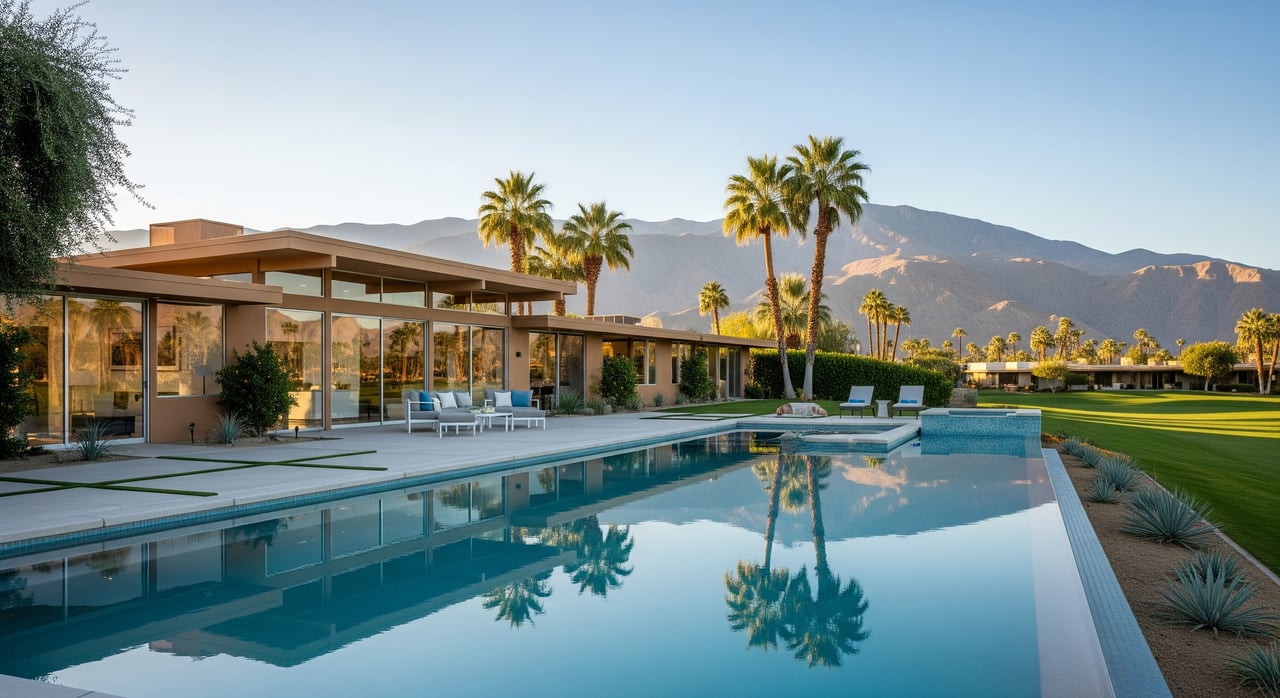
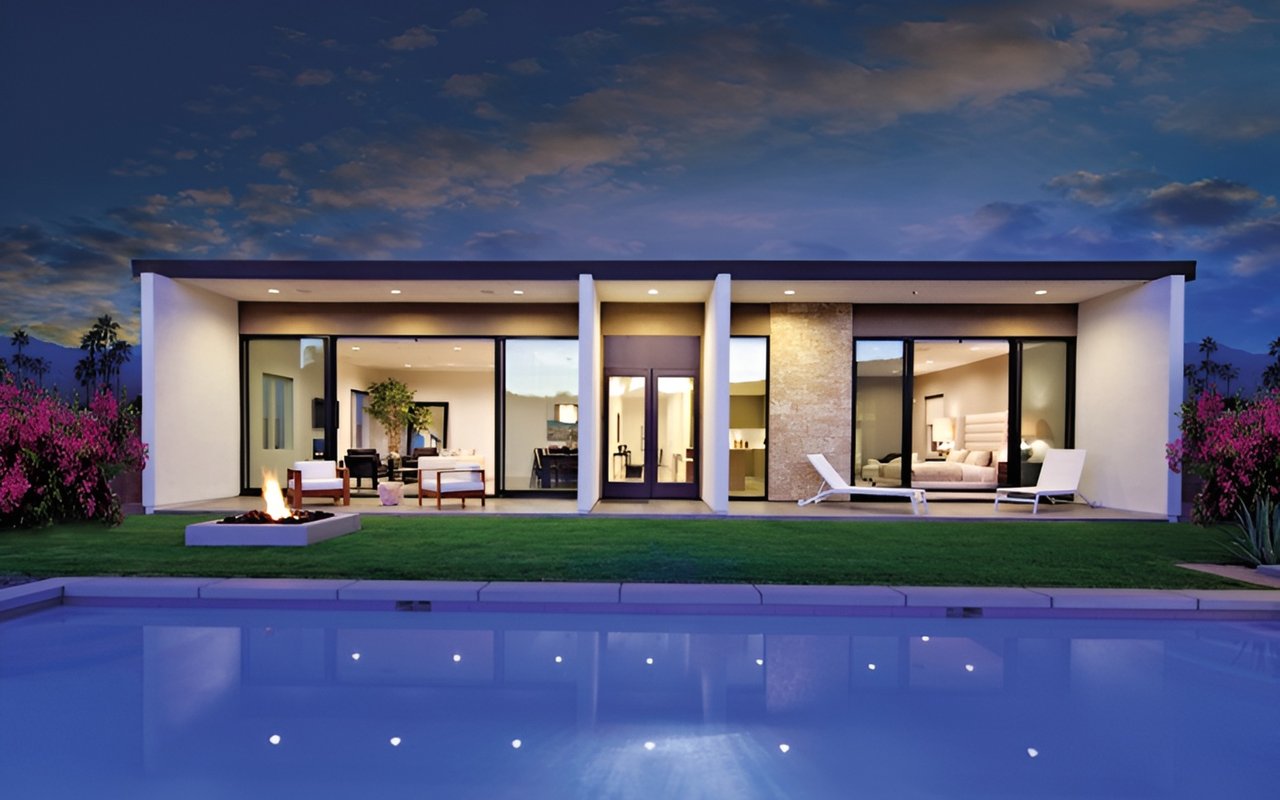
Indian Wells is a compact, upscale city centered on golf, tennis, and resort living. It feels private and low density compared with larger Coachella Valley neighbors. You will find luxury country club communities, well-kept gated neighborhoods, and a calm year-round rhythm.
Compared with Palm Springs, Indian Wells is quieter and less nightlife oriented. Compared with Palm Desert or La Quinta, it is more residential and resort focused, with a smaller commercial core and many homes tied to club amenities. For city services, events, and planning resources, explore the City of Indian Wells.
Climate and seasons
Indian Wells has a hot desert climate. Summers are very hot and dry, and winters are mild and sunny. The seasonal lifestyle follows the weather, with more outdoor living in fall and winter.
For official climate norms and seasonal patterns across the desert, consult the National Weather Service climate resources.
Summer heat basics
Daytime highs often reach triple digits in July and August. You will rely on air conditioning and shaded outdoor areas. Energy efficiency upgrades, smart thermostats, and window treatments can help you manage cooling costs. Plan outdoor activity in the early morning or evening and keep hydration top of mind.
Winter peak season
Winters bring mild days and cool nights, which is why the fall and winter months are peak season for visitors and seasonal residents. You can expect more community events and fuller tee sheets. If you are comparing neighborhoods, it helps to visit in winter to see the area at its most active.
Water-wise living
Drought conditions and water conservation are an ongoing part of desert life. Landscaping rules, turf limits, and pool guidelines may apply at the city or HOA level. For statewide policies and conservation programs, review the California Department of Water Resources. Ask for HOA landscape guidelines and any turf replacement incentives when you evaluate a property.
Neighborhoods and housing types
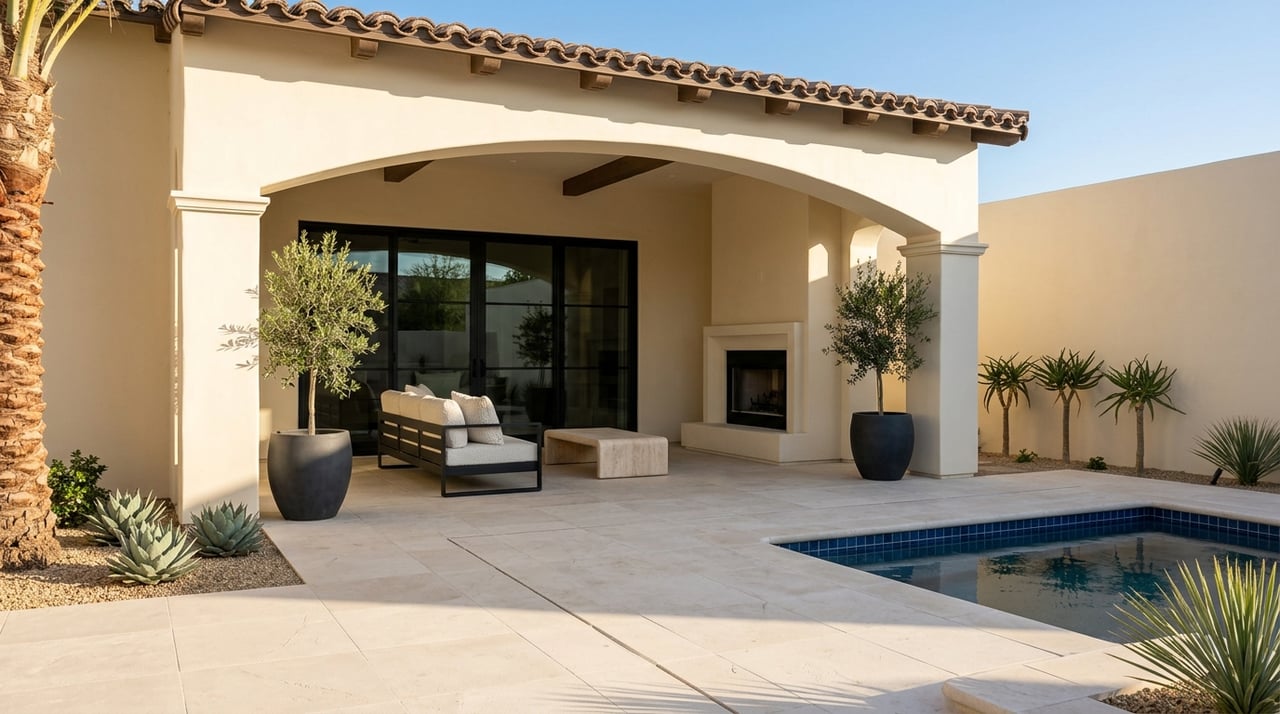
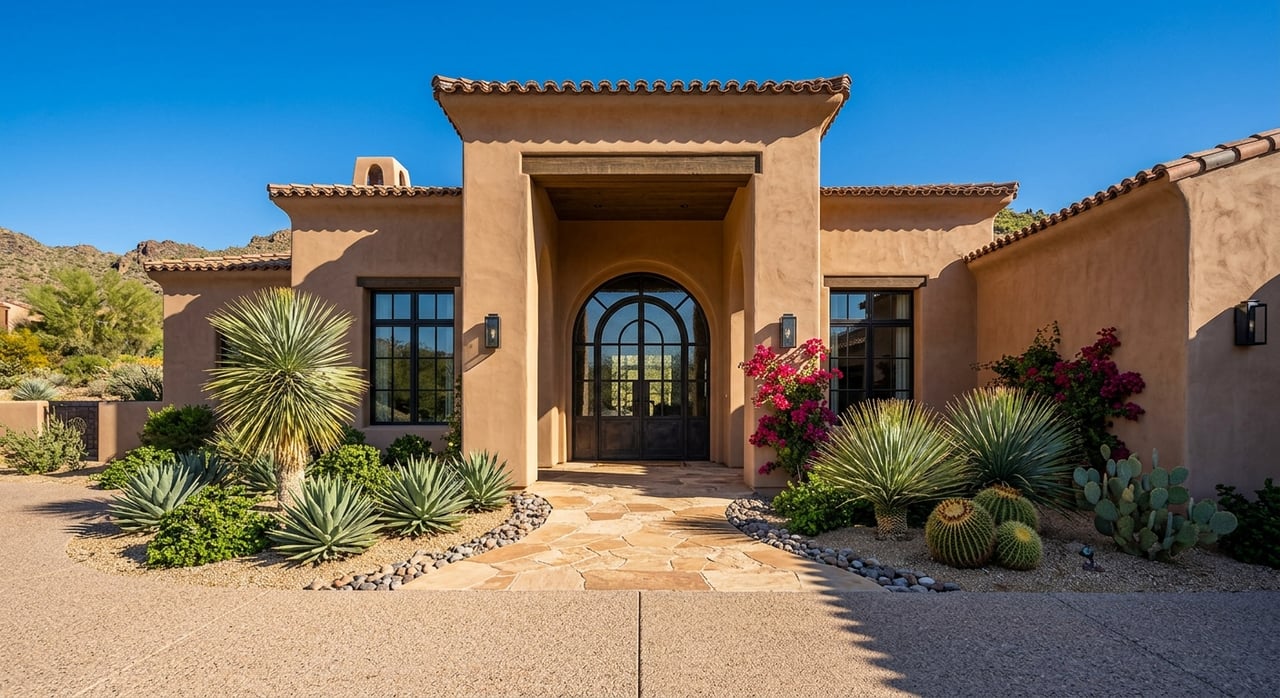
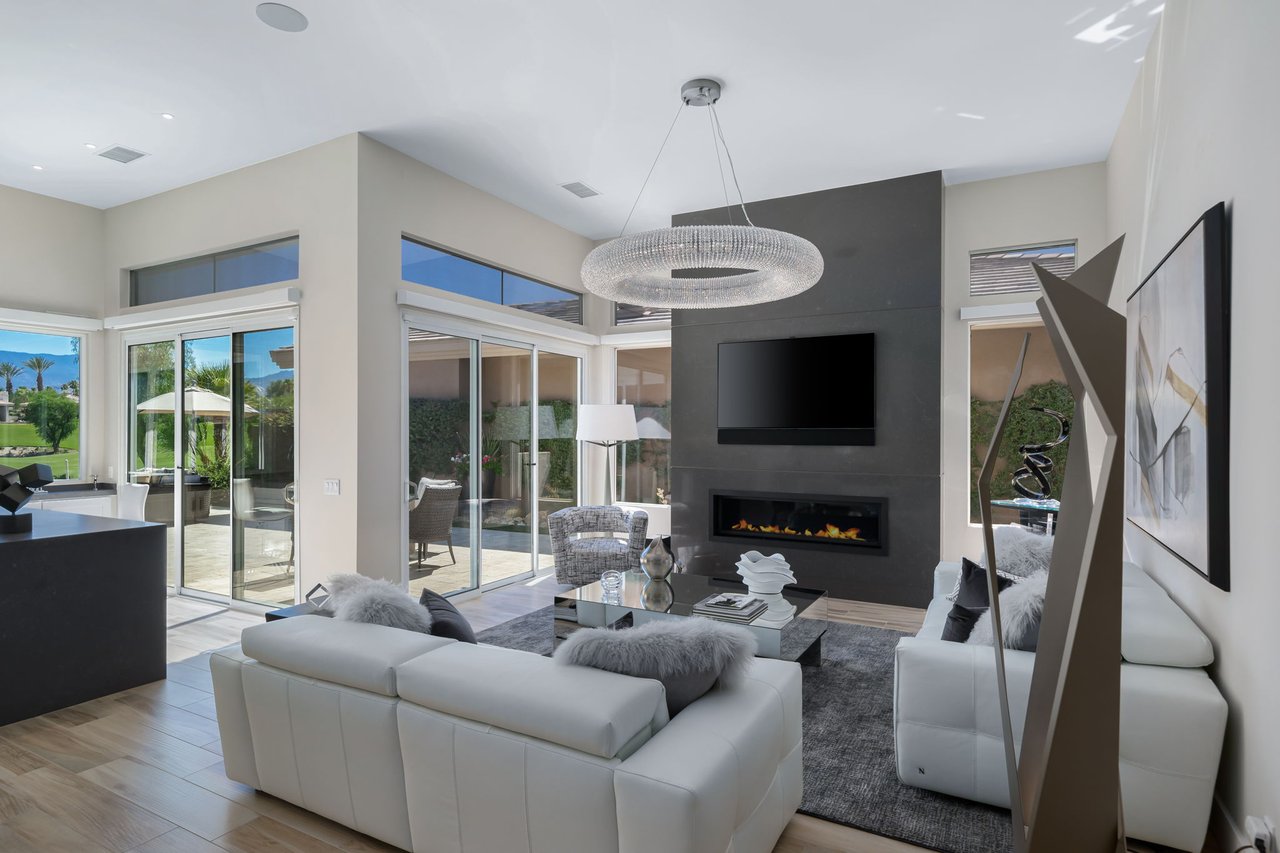
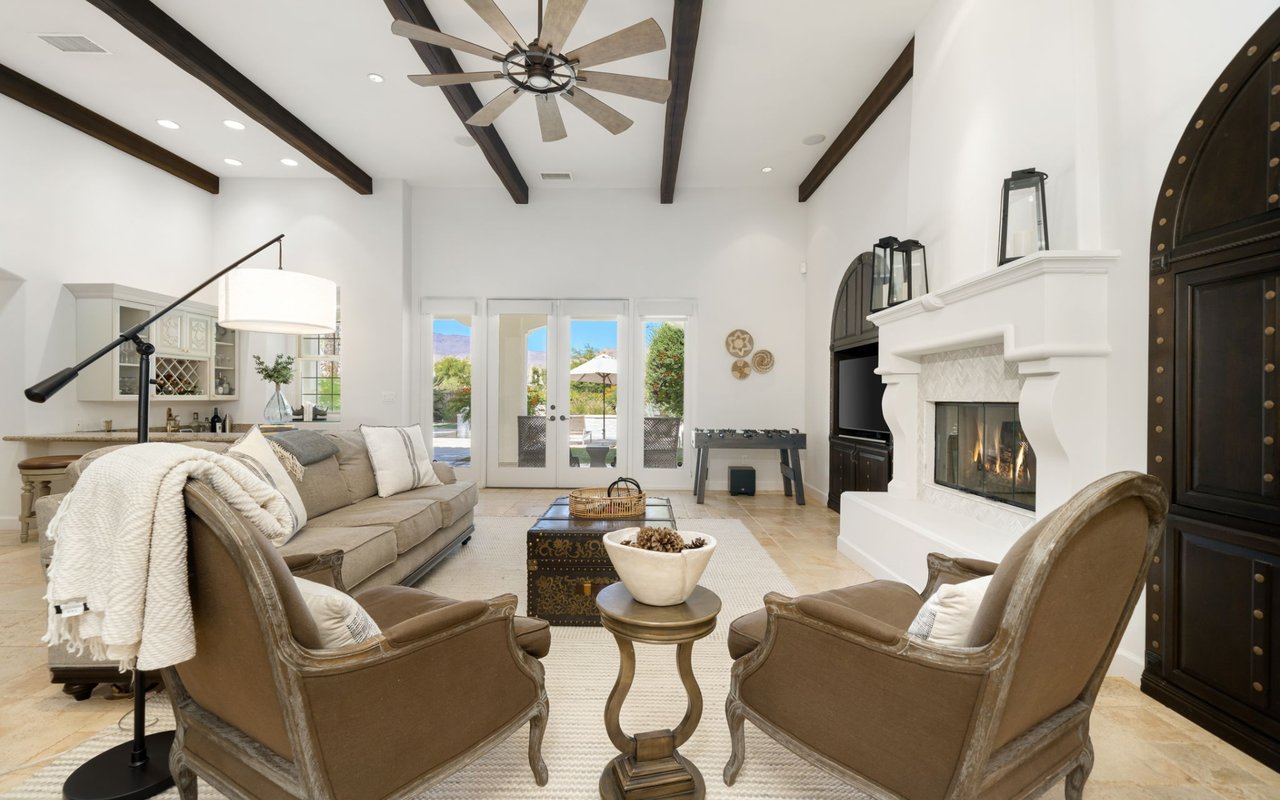
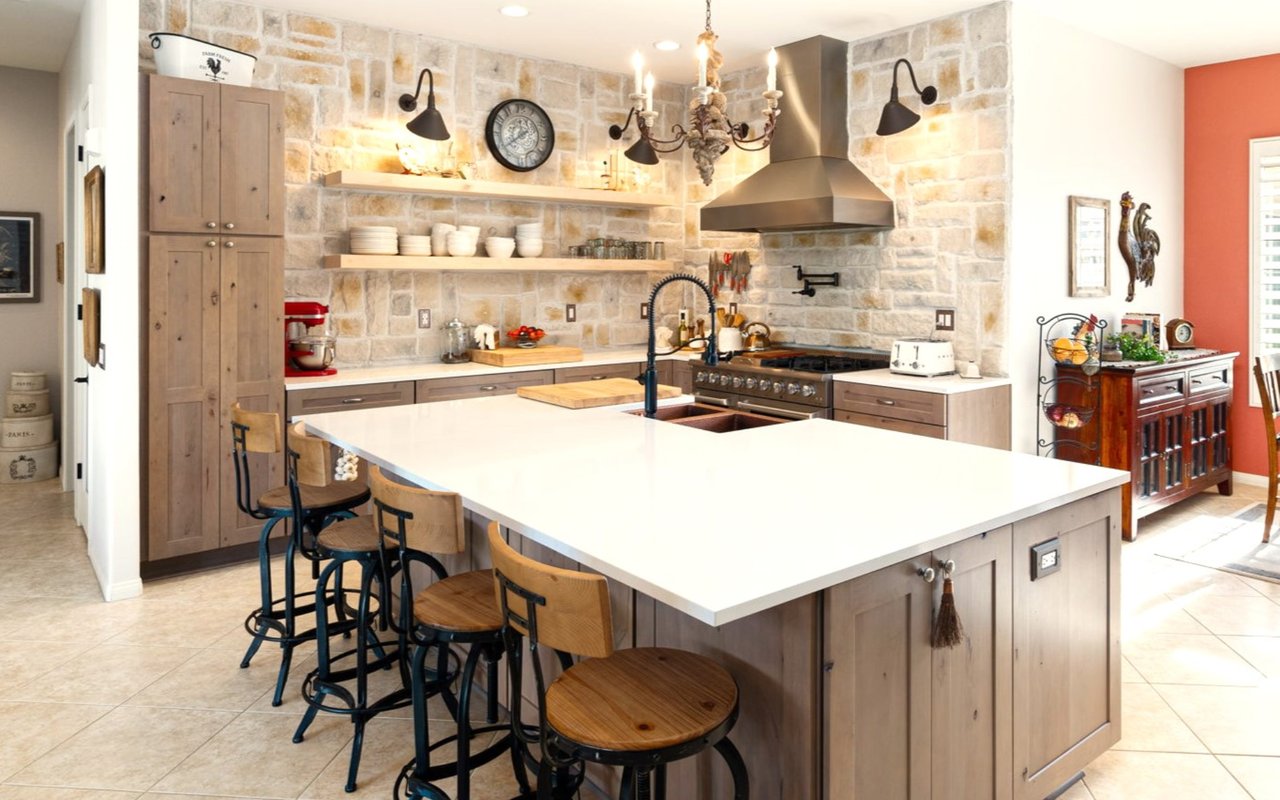
Most Indian Wells neighborhoods are gated or linked to a country club, with a mix of single-family estates and condominium communities. Many homes are designed for easy lock-and-leave living, which appeals to seasonal owners. If you want resort conveniences, look for homes with proximity to golf, tennis, and clubhouse amenities.
Be sure to factor in ownership costs beyond your mortgage. In Indian Wells, common expenses include HOA dues, country club membership or social fees, utilities for summer cooling, landscaping and water use, and pool service. California’s Proposition 13 tax framework applies, which means most homes are taxed at a base rate plus local assessments. Ask for recent utility bills, HOA budgets, and club fee schedules during due diligence.
Amenities and daily life
The Indian Wells Tennis Garden is the city’s most recognizable landmark. Each spring it hosts the ATP and WTA BNP Paribas Open, one of the world’s top tennis tournaments. Expect more visitors and heavier traffic during the event. Learn more about dates and details at the BNP Paribas Open.
You will find multiple golf courses and resort hotels within and around city limits, along with spas and dining. For a broader selection of shops and restaurants, many residents head to nearby Palm Desert and La Quinta. Health care access is close, with major services at Eisenhower Health in Rancho Mirage.
Getting around the valley
Indian Wells is a car-first community. State Route 111 connects local desert cities, while Interstate 10 offers regional access. Public transit is available through the SunLine Transit Agency, which runs valley-wide bus routes. Palm Springs International Airport is the closest commercial airport for regional and select national flights.
Costs and smart planning
Operating a home in the desert has unique costs. Air conditioning and water use are the main drivers. Solar can offset electric bills, though you should check HOA rules and utility net-metering policies. If you are comparing properties, look at insulation, window quality, shade structures, and smart controls.
If your community includes a club, clarify what is mandatory and what is optional. Confirm whether dues are equity or non-equity, which amenities are included, and how guest access works. In condo and townhome communities, review maintenance reserves, upcoming projects, and any special assessments.
Timing your purchase or sale
Real estate activity in Indian Wells tends to peak in the fall and winter months, when more seasonal residents are in town. Listings often see stronger showing activity in these periods. If you are a buyer, you may find more options during peak season but also more competition. If you are a seller, consider listing when seasonal traffic begins to return so your home benefits from greater exposure.
Your due diligence checklist
Use this quick list to evaluate a home with confidence:
- Visit in two seasons. Experience winter lifestyle and summer conditions to confirm comfort and operating costs.
- Review HOA and club documents. Ask for budgets, reserves, fee schedules, and rules for landscaping, solar, rentals, and guests.
- Verify flood risk. Check a property’s flood zone at the FEMA Flood Map Service Center and confirm if any insurance is required.
- Confirm water and landscape rules. Learn about conservation and statewide water policy at the California Department of Water Resources, then confirm property-specific guidelines with the HOA.
- Explore schools with neutral sources. Use GreatSchools and the Desert Sands Unified School District for boundary and enrollment info, and verify details by address.
- Plan daily life logistics. Review transit options at SunLine Transit Agency and map your routes along State Route 111 and I-10.
- Map out medical access. Look into primary and specialty care at Eisenhower Health and other local providers.
- Save city resources. Bookmark the City of Indian Wells for permits, events, and service contacts.
Work with a local guide
Choosing the right Indian Wells home is about matching lifestyle goals with the right community, club, and floor plan. A local advisor can help you compare operating costs, interpret HOA and club details, and time your move or sale to the market’s seasonal rhythm. When you are ready to tour or want a custom plan, reach out to Nyla Doering for boutique guidance rooted in five generations of Coachella Valley knowledge.
FAQs
What is living in Indian Wells like in summer?
- Expect very hot, dry conditions that require strong cooling, early or late outdoor activity, and water-wise landscaping; plan for higher electricity use during peak months.
How does Indian Wells compare to Palm Springs for buyers?
- Indian Wells is quieter and lower density with a strong golf and country club focus, while Palm Springs has more nightlife and urban amenities.
Are there public transit options in Indian Wells?
- Yes, SunLine Transit Agency provides valley-wide bus service that connects Indian Wells to nearby cities and services.
Where can I check flood risk for a specific home?
- Use the FEMA Flood Map Service Center to look up the property’s flood zone and discuss coverage options with your insurer.
Which hospitals serve Indian Wells residents?
- Eisenhower Health in Rancho Mirage is a primary regional provider for comprehensive care and specialty services.
When is the best time to list a home in Indian Wells?
- Many sellers target fall and winter when seasonal residents return and showing activity typically increases, which can boost exposure.