What Makes a Home “Hybrid” — and How Much Income Can a Home Really Generate?
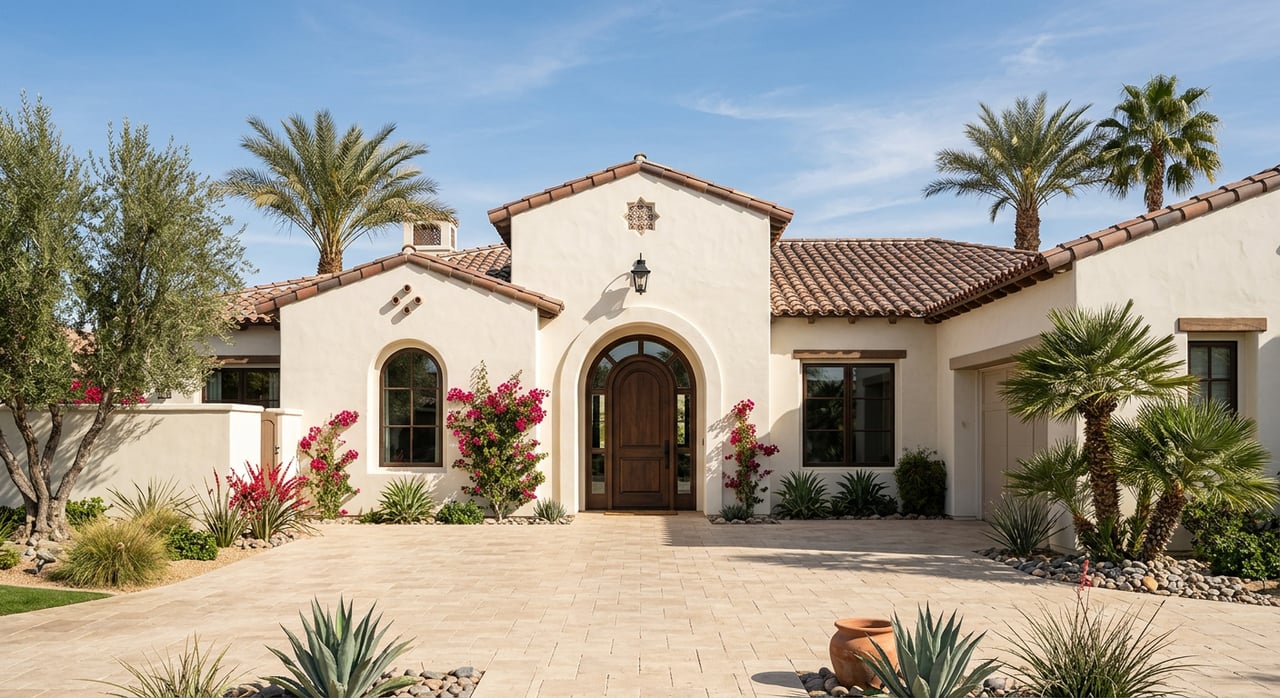
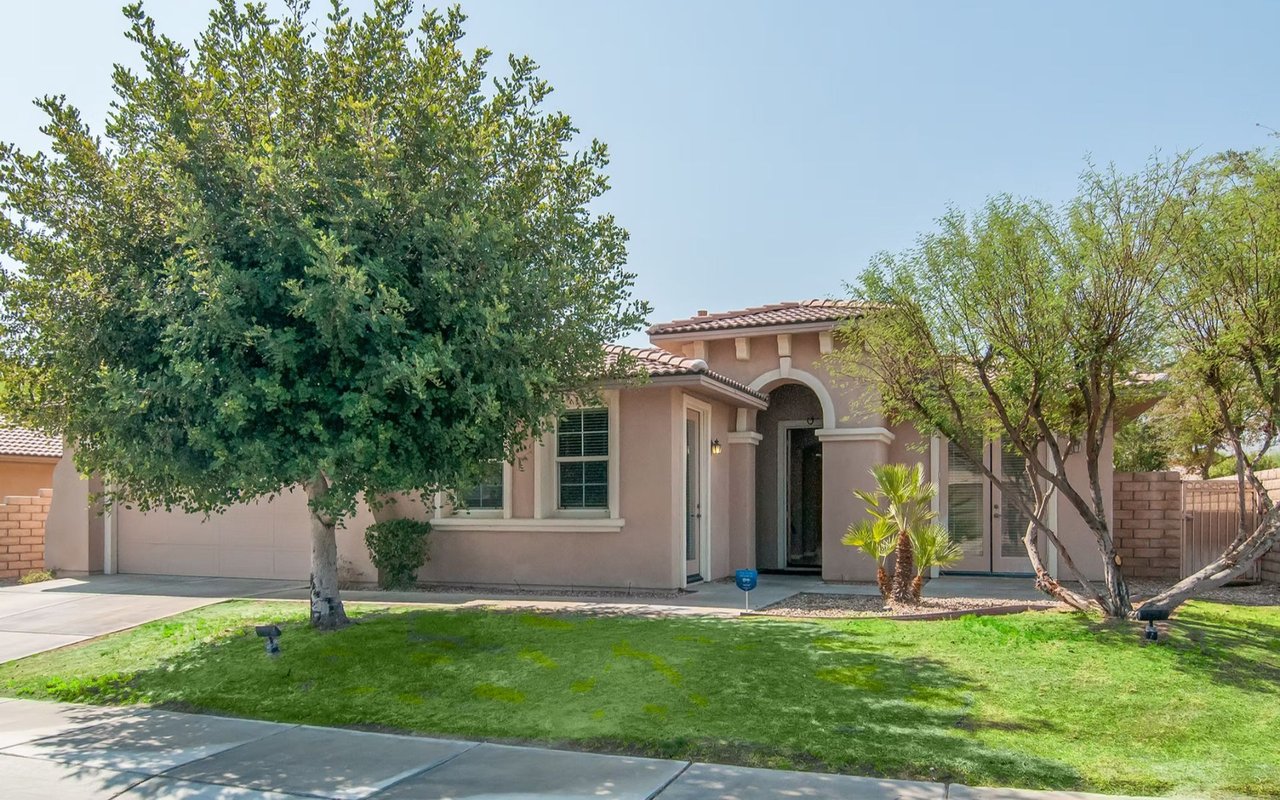
Over the past several years, a noticeable shift has taken place in the desert real estate market: more and more buyers are searching for hybrid-use homes — properties that function beautifully as a primary residence and offer meaningful rental income potential. This trend is especially strong in lifestyle-driven markets like La Quinta, Indian Wells and Palm Desert where great weather, golf communities, and resort amenities create consistent seasonal demand.
Whether buyers are looking for flexibility, financial growth, or a smart long-term plan, hybrid homes have become one of the most sought-after property types in the luxury and mid-luxury categories.
Here’s why the trend is accelerating — and what makes these homes so valuable.
A Quick Note Before We Dig In: Seasonal Rentals vs. Short-Term Rentals
First, I want to call out the important difference between Short-Term Rentals (STRs) and seasonal rentals (30 nights or more). While STR opportunities still exist throughout the valley, that segment of the market has become increasingly saturated, heavily restricted, and far more management-intensive. STR's also bring frequent guest turnover, higher wear and tear, and operational challenges many buyers don’t anticipate.
Seasonal rentals, on the other hand, tend to be a steadier, more predictable option. They involve longer-term guests—often 1 to 5 months—who treat the home with more care. They require significantly less property management, offer lower maintenance impact, and allow owners to set minimum stays (ex: three months or more) that protect both the home and the neighborhood. For many hybrid buyers, seasonal rentals strike the ideal balance between lifestyle use and reliable income.
1. Flexibility Is the New Luxury
Today’s buyers want options.
A hybrid-use home is an investment that gives them the ability to:
-
Use it seasonally
-
Rent it during peak months
-
Transition it into a future retirement residence
-
Keep it as a long-term income property
This flexibility appeals to a wide range of buyers — from remote workers and part-time residents to families planning ahead for retirement.
2. Rental Income Can Offset Ownership Costs
One of the biggest advantages of a hybrid property is its ability to generate income.
In communities that allow short-term rentals or seasonal leases, buyers can offset:
-
HOA fees
-
Mortgage payments
-
Club dues
-
Maintenance costs
In some cases, rental income can cover the majority of ownership expenses — making the home not just a lifestyle choice, but a smart financial play.
3. Desert Tourism Creates Predictable Demand
The Coachella Valley’s year-round draw — golf, sunshine, festivals, and winter vacations — fuels a steady stream of renters.
Peak demand typically comes from:
-
Snowbirds seeking 1–5 month stays
-
Golf enthusiasts
-
Seasonal workers and event attendees
-
Families visiting for sports tournaments
-
Travelers wanting resort alternatives with more space
This consistent demand makes the desert one of the strongest hybrid-use markets to invest in.
4. Not All Communities Are Created Equal
This is where local expertise matters — not every community in La Quinta is optimized for hybrid ownership.
Buyers need to understand:
-
Which HOAs allow short-term or seasonal rentals
-
Which communities have the strongest demand (ex: brand name clubs)
-
Where rental caps or restrictions apply
-
Which floor plans and lots rent best (min number of bedrooms etc)
-
What features boost nightly or monthly rates
A hybrid strategy only works with the right combination of community rules, location, and amenities.
5. Presentation Matters More Than Ever
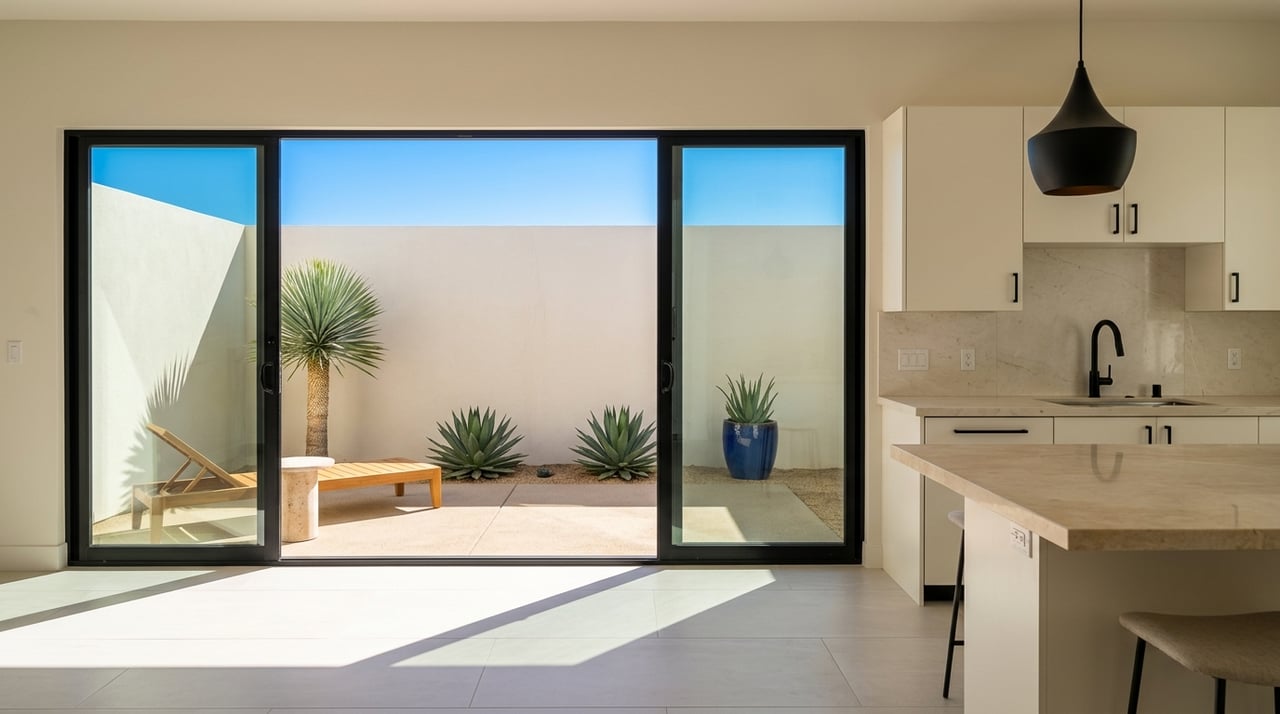
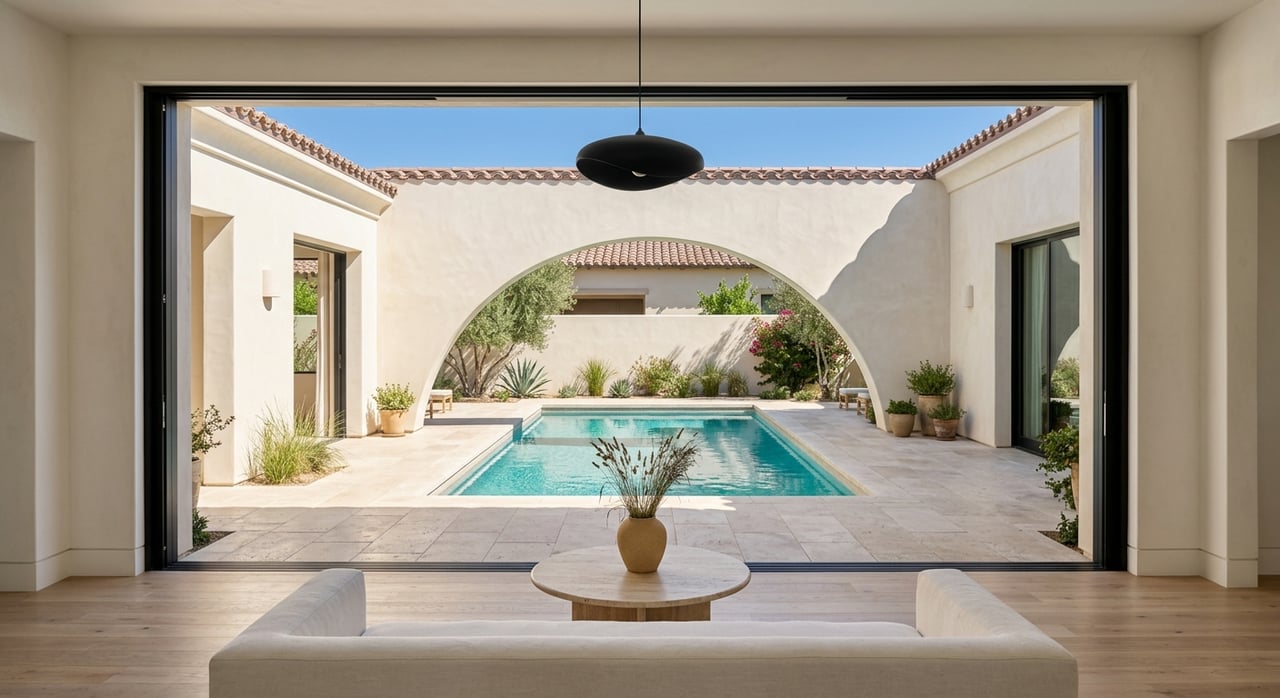
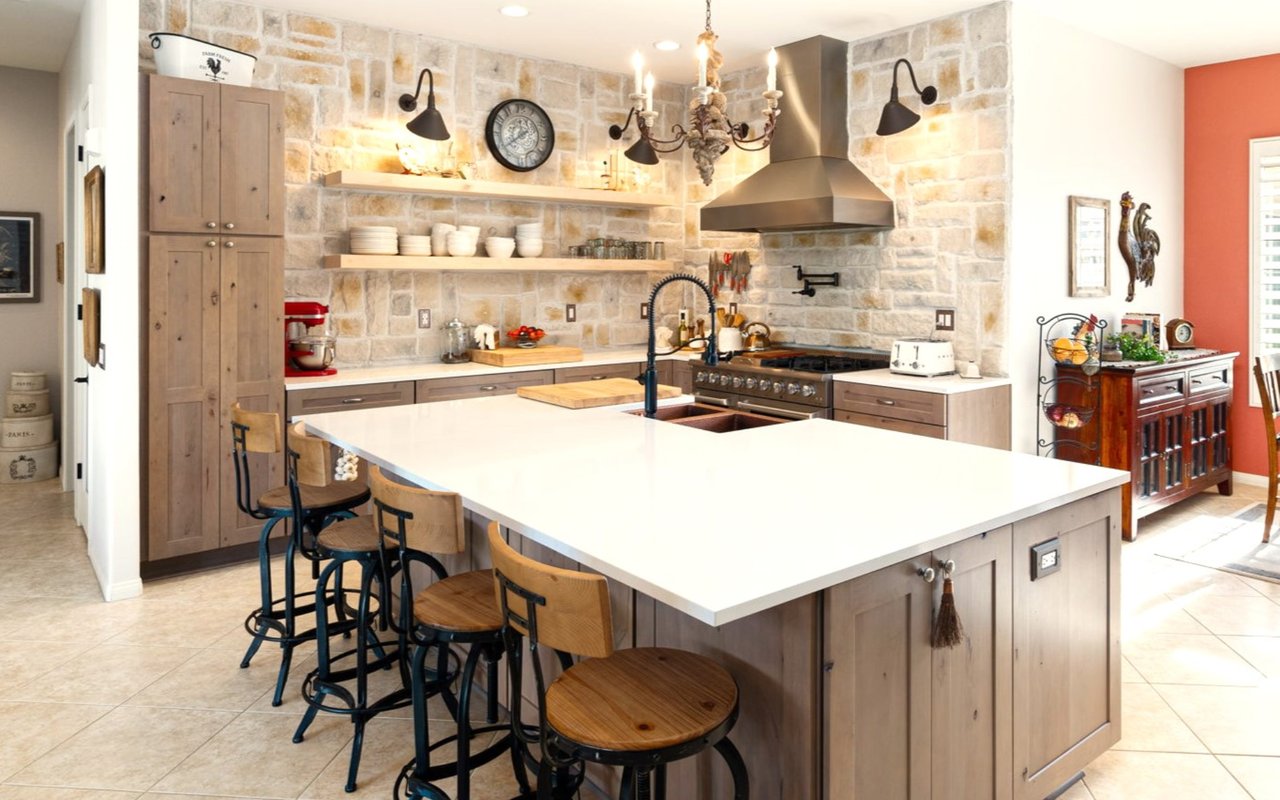
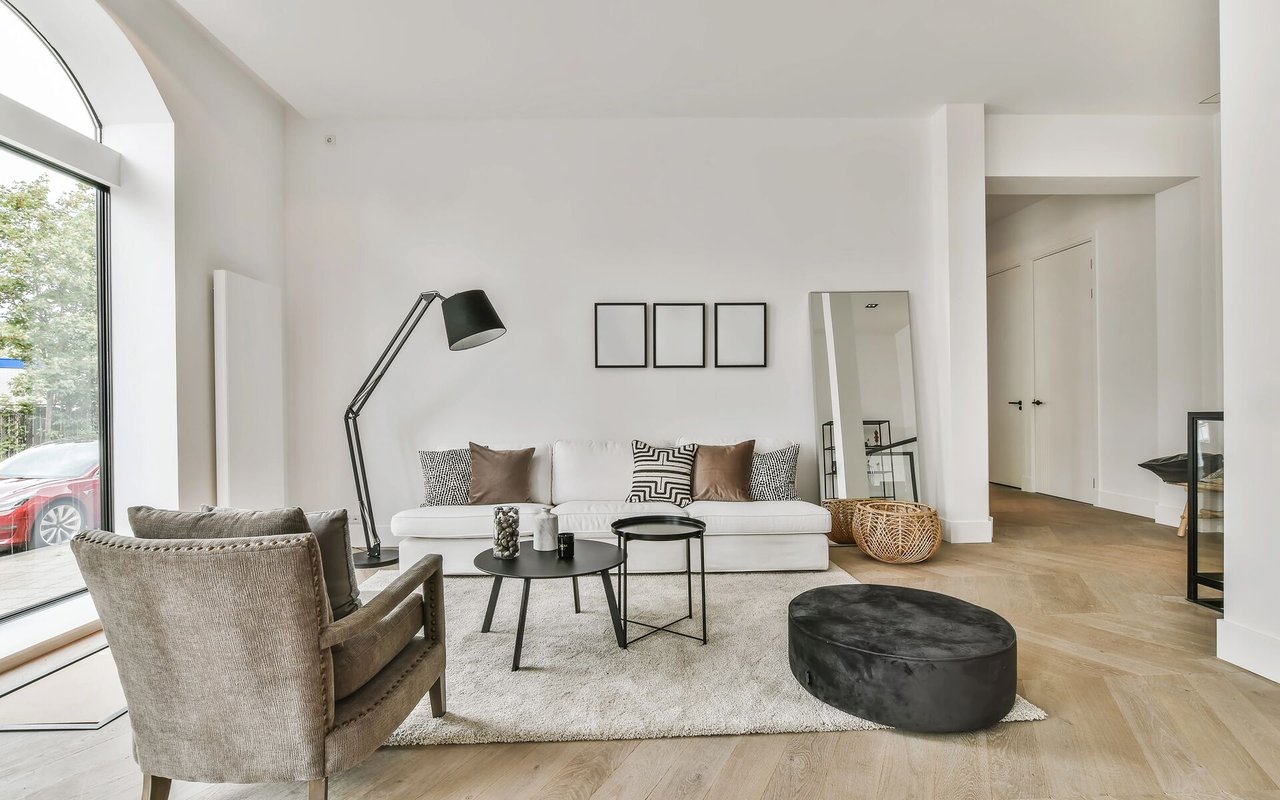
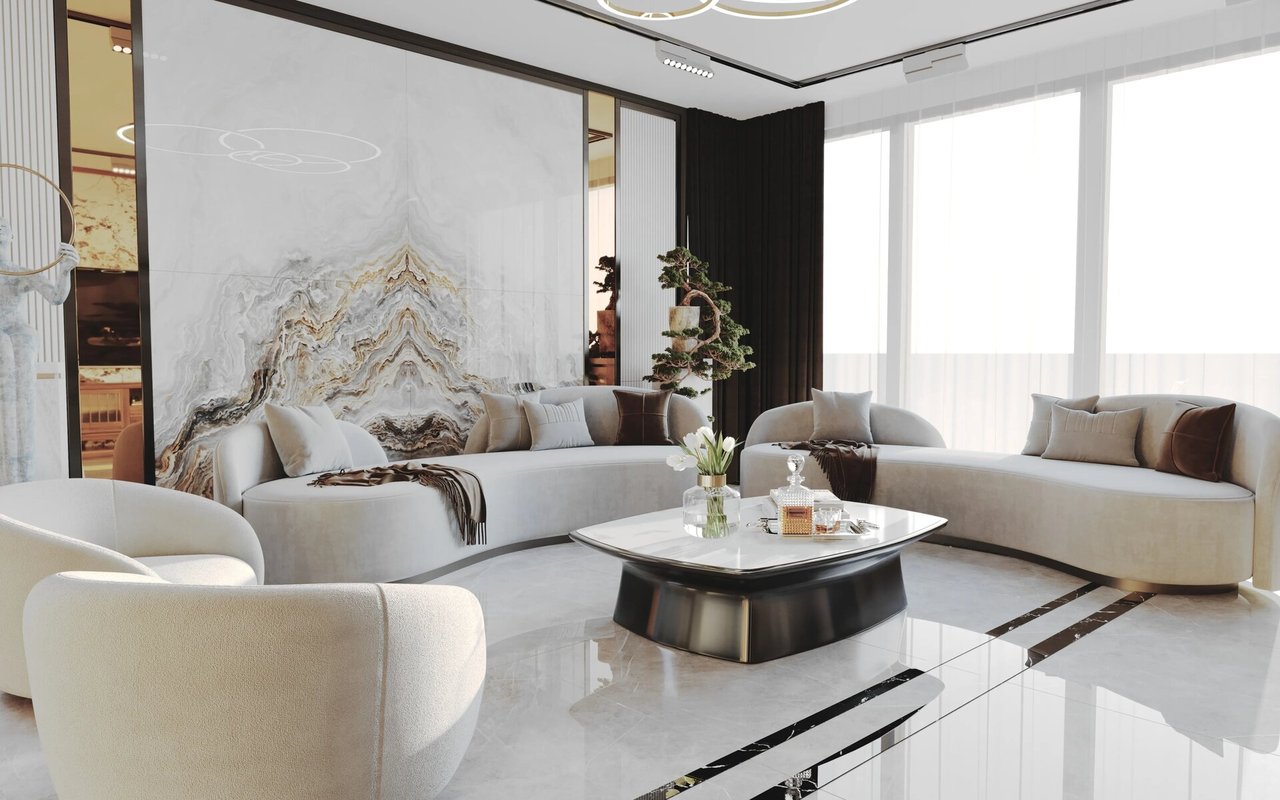
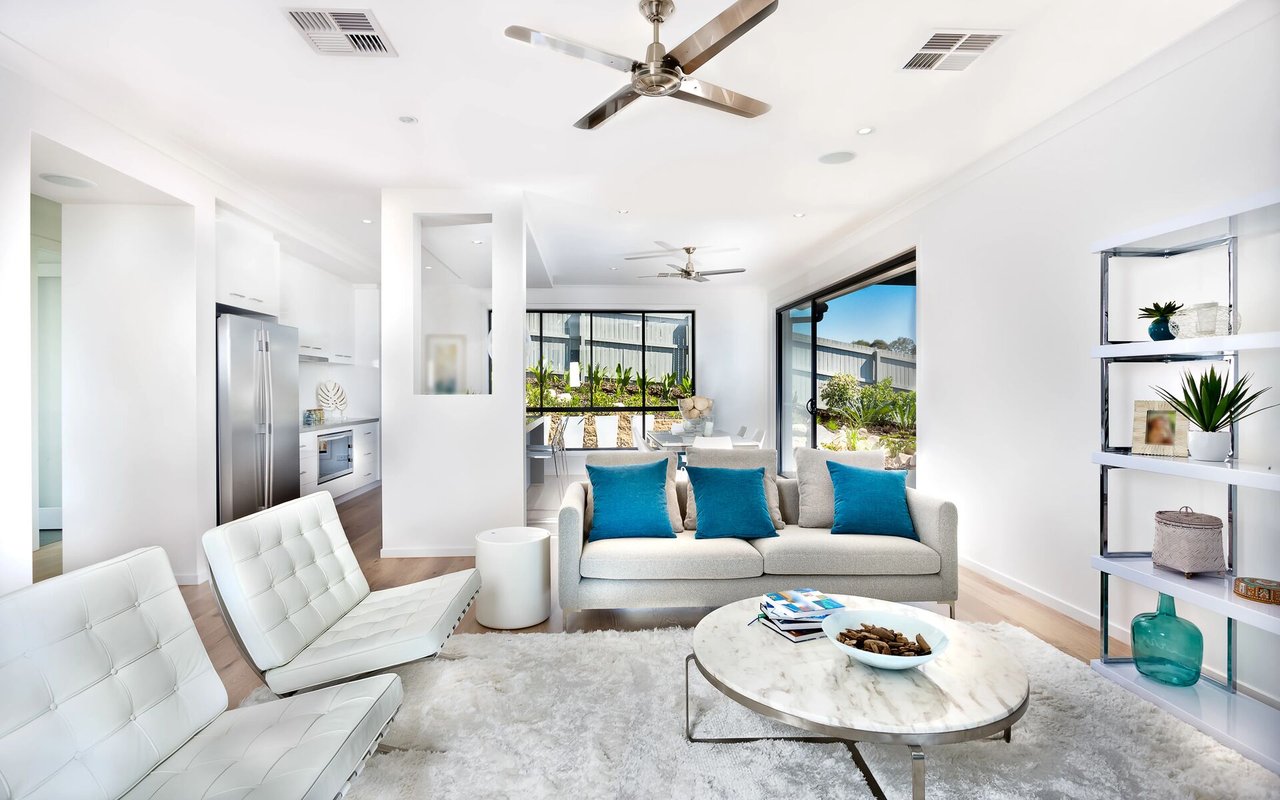
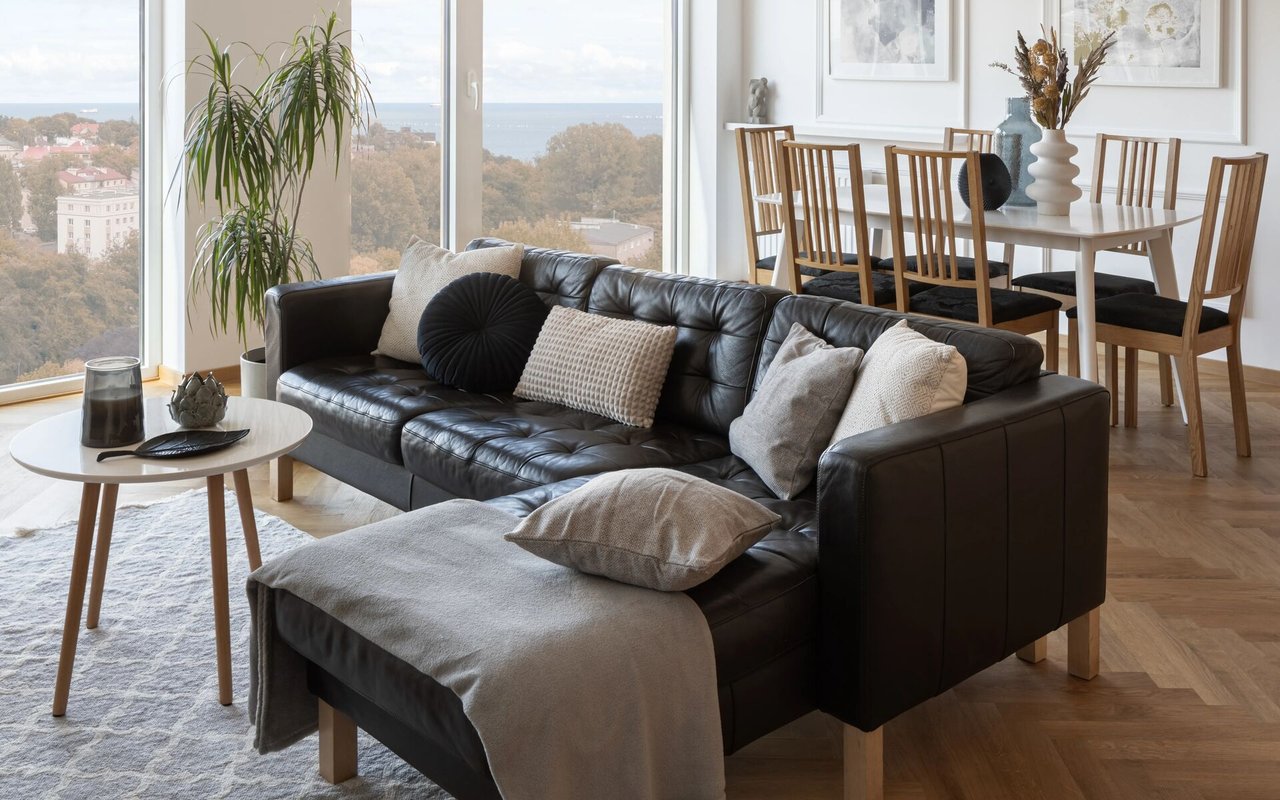
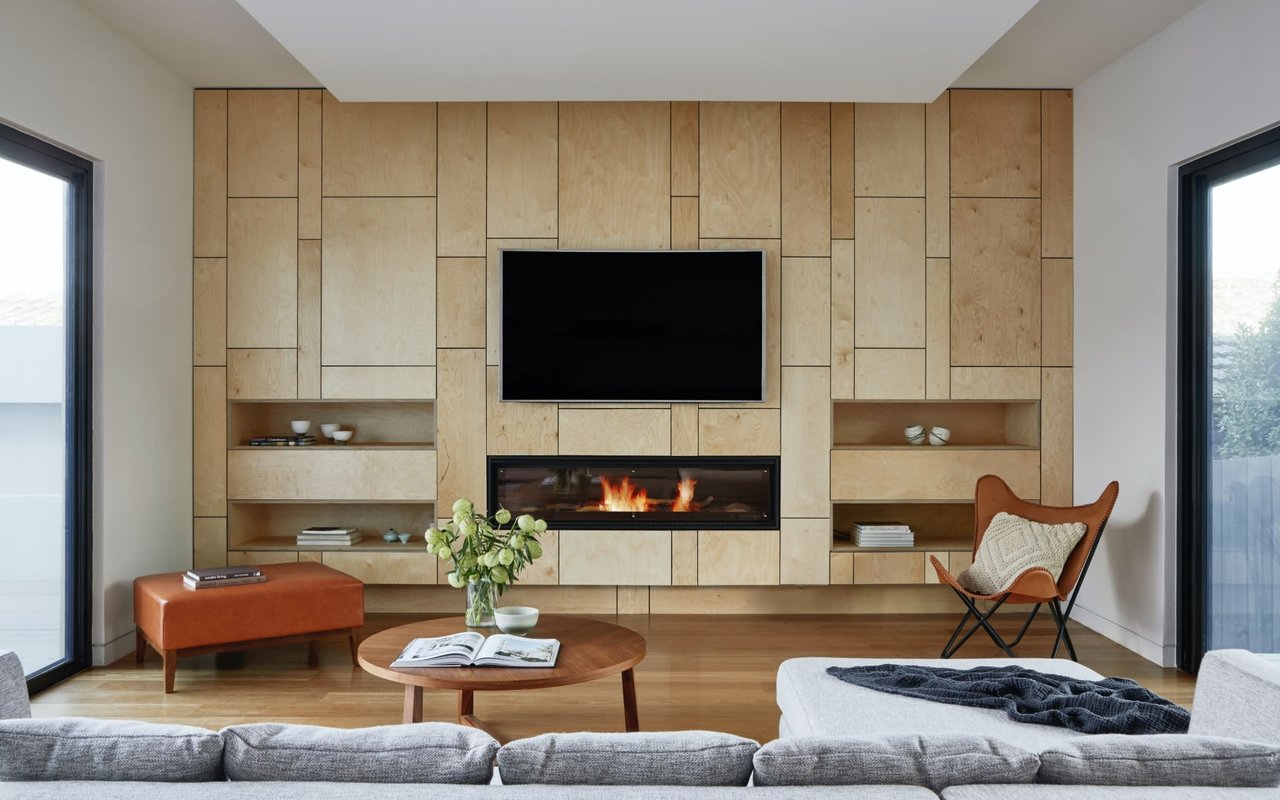
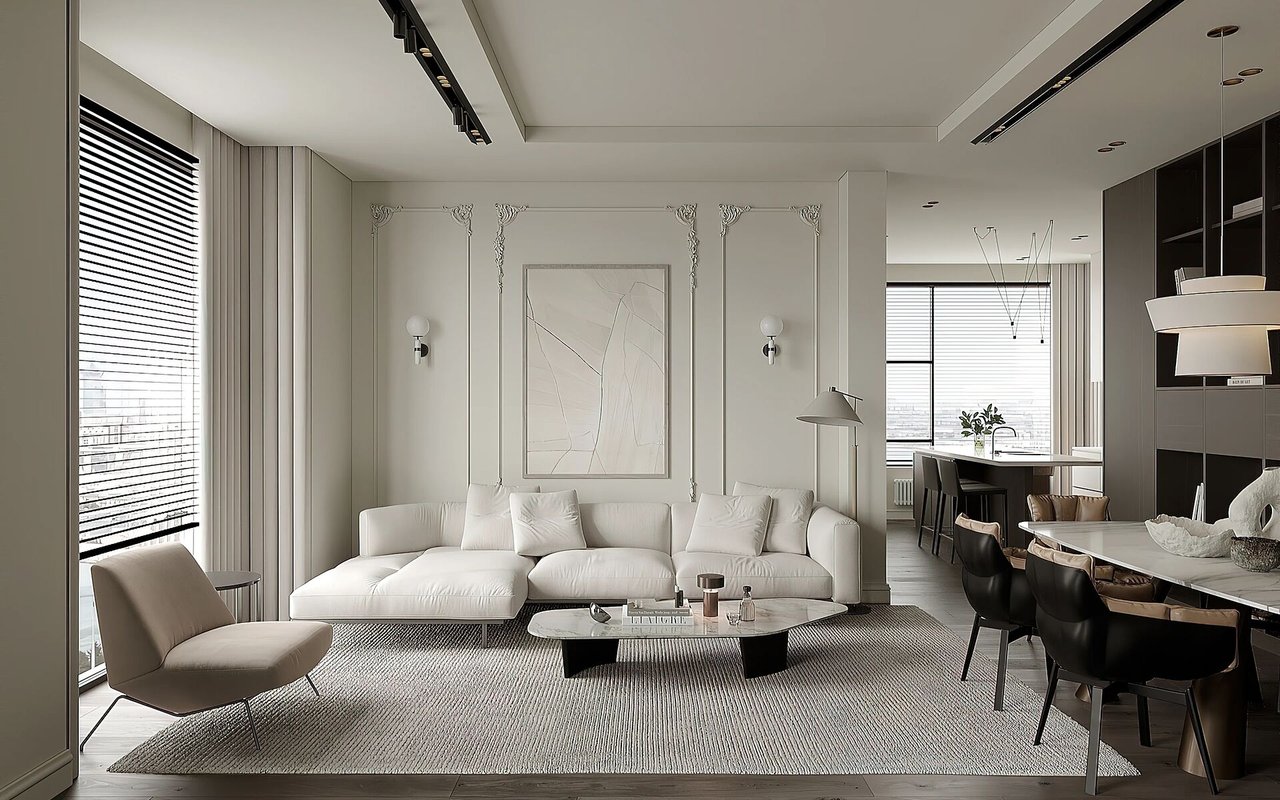
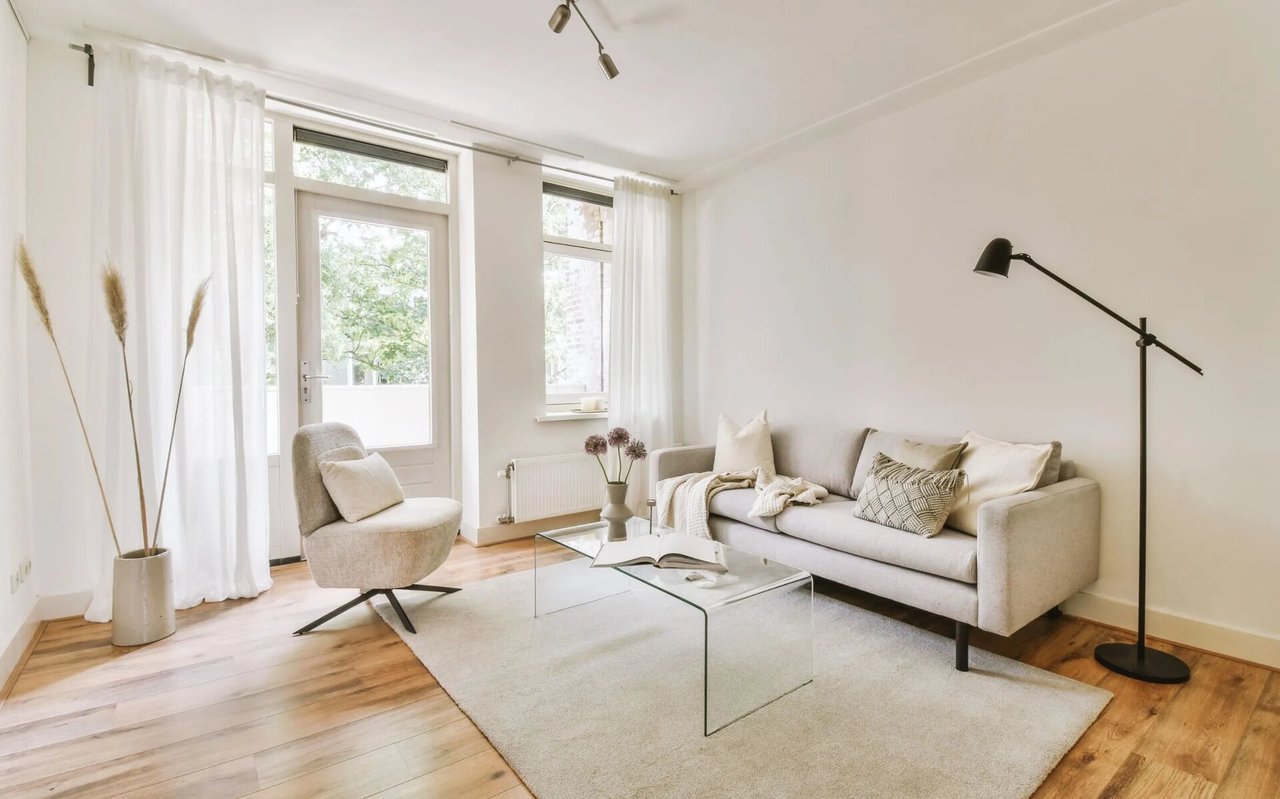
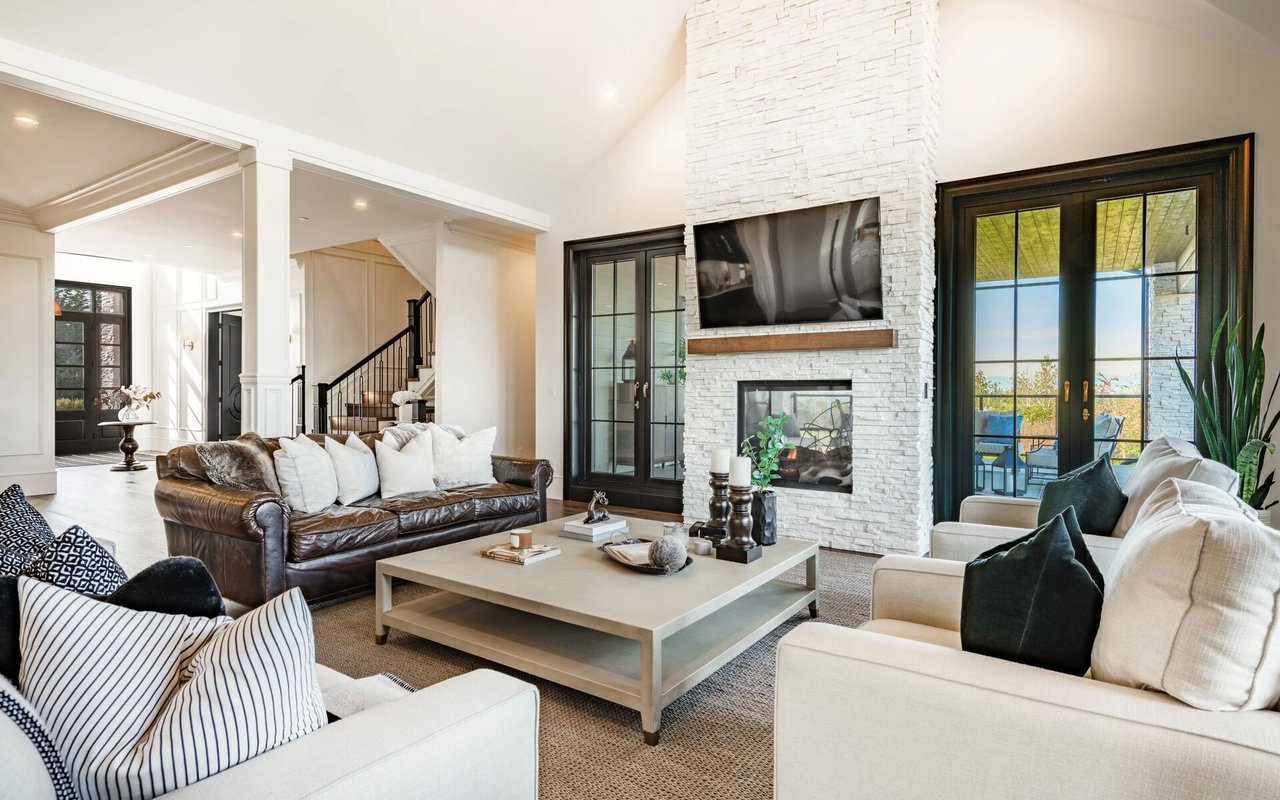
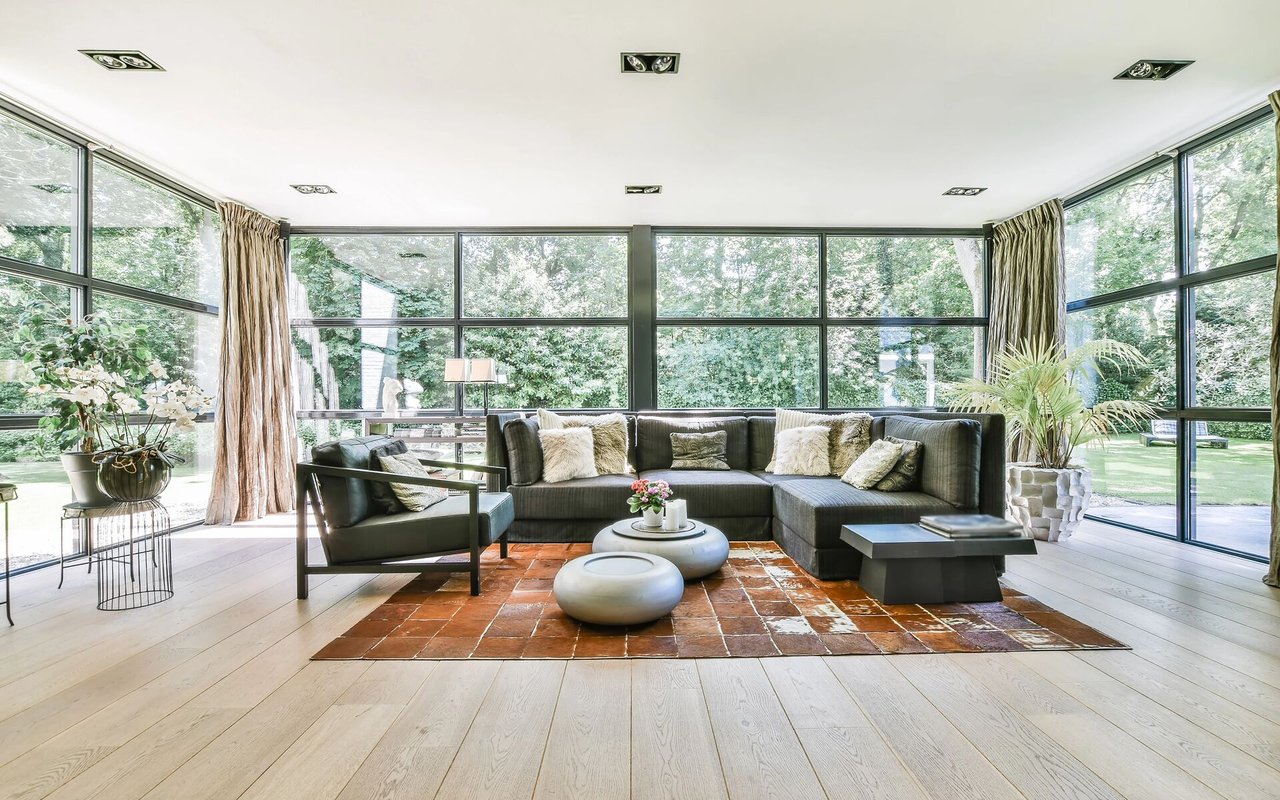
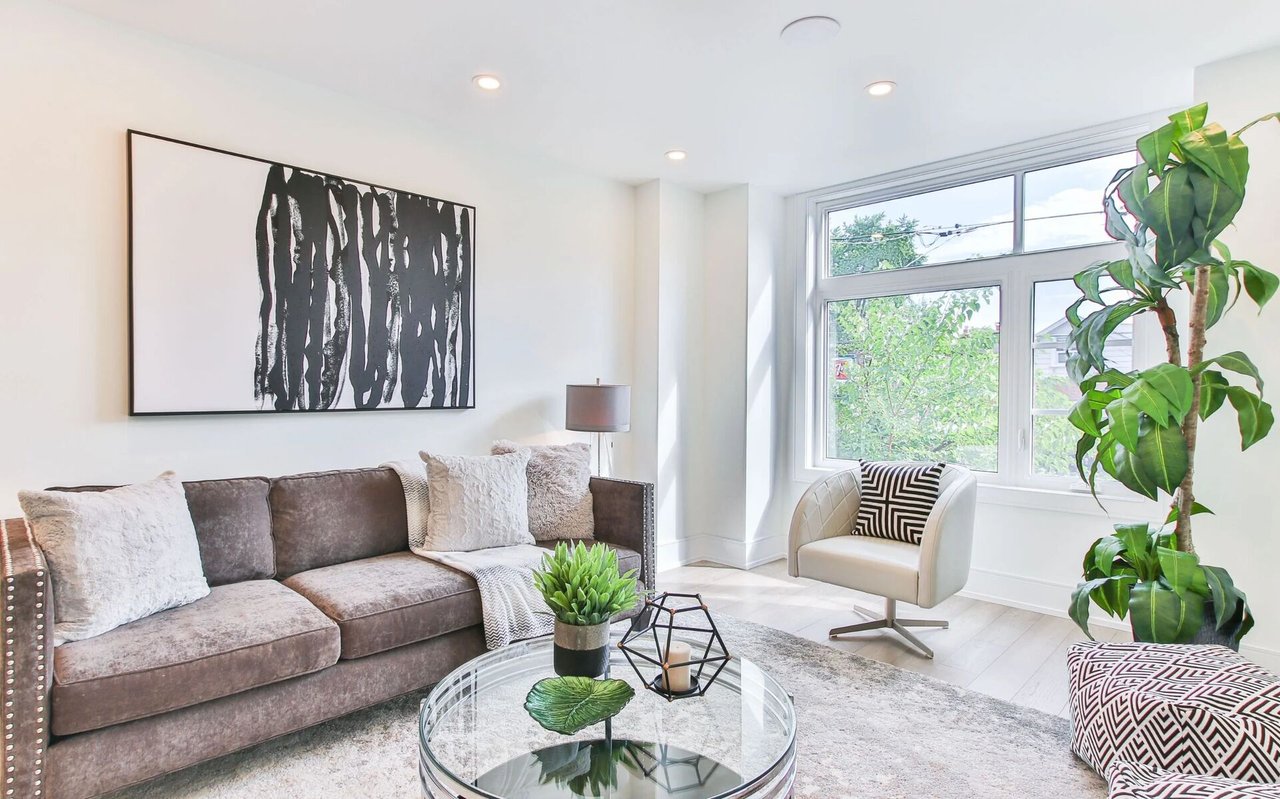
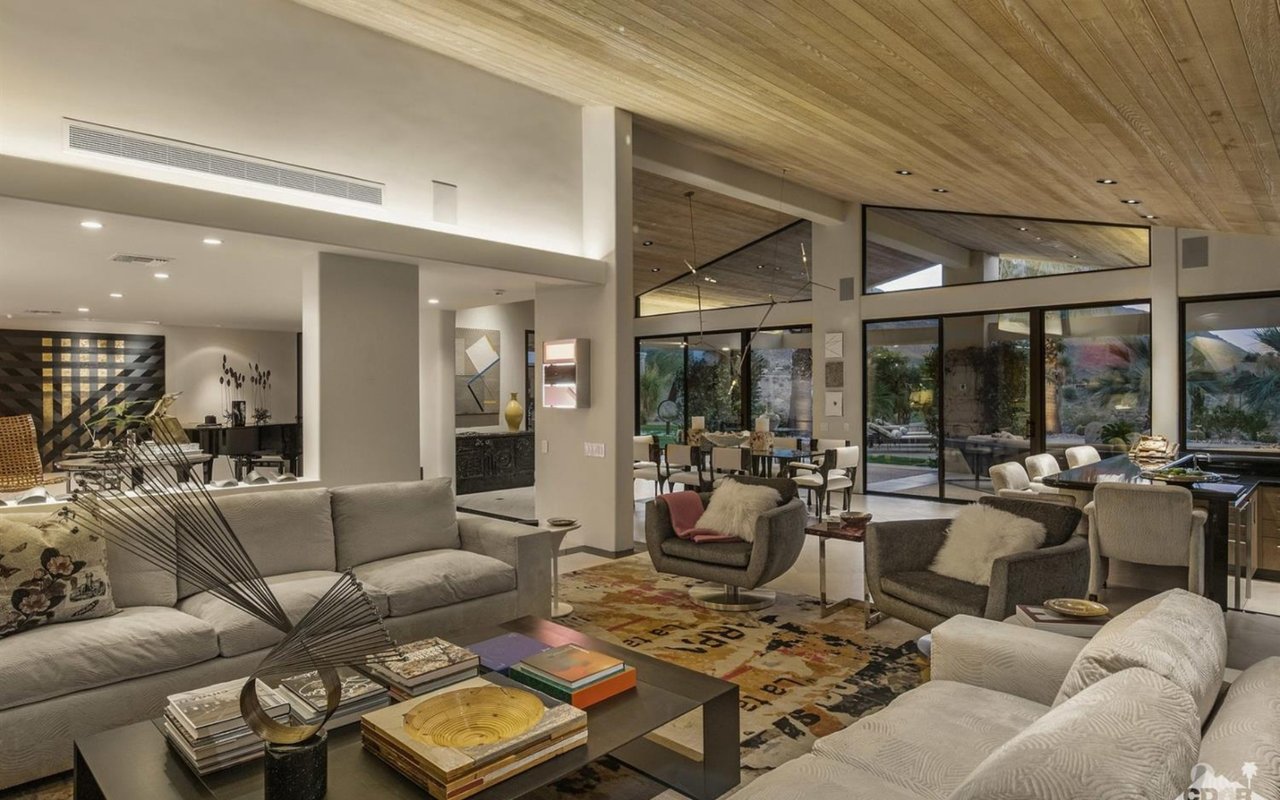
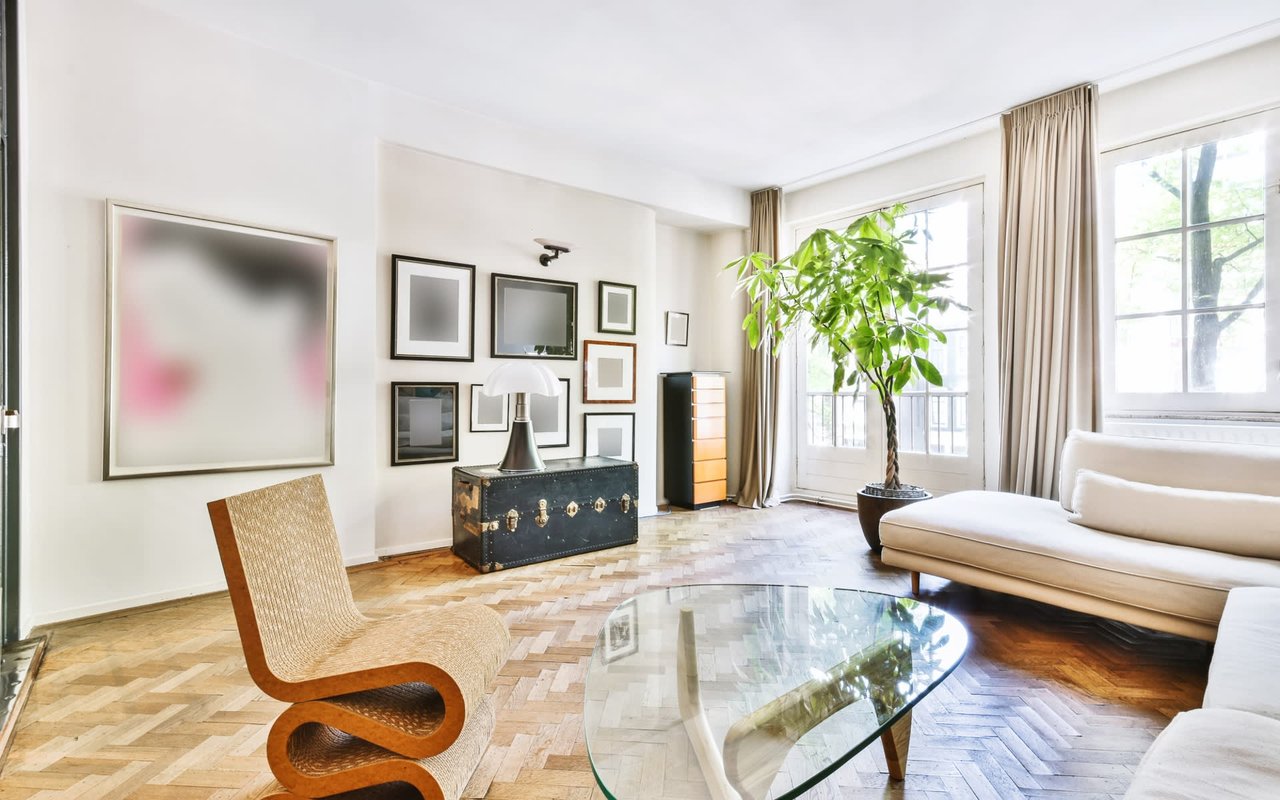
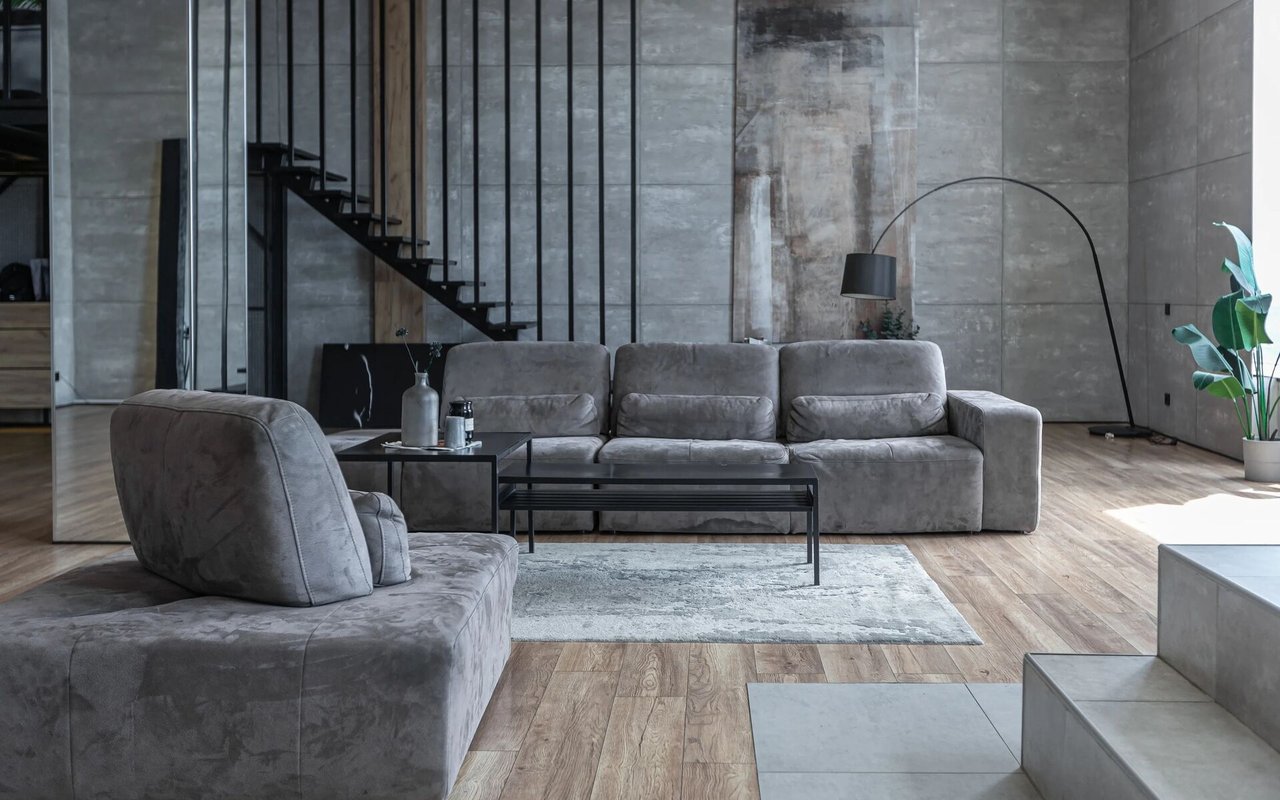
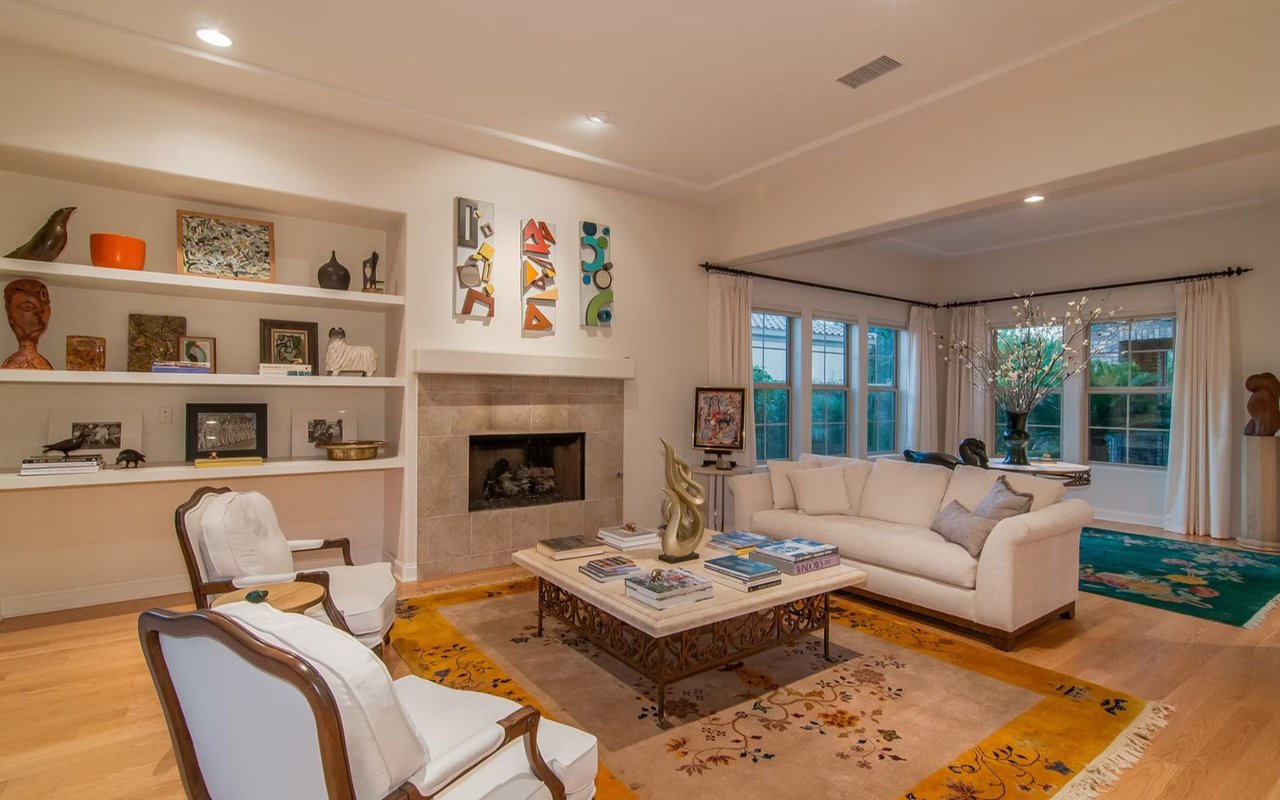
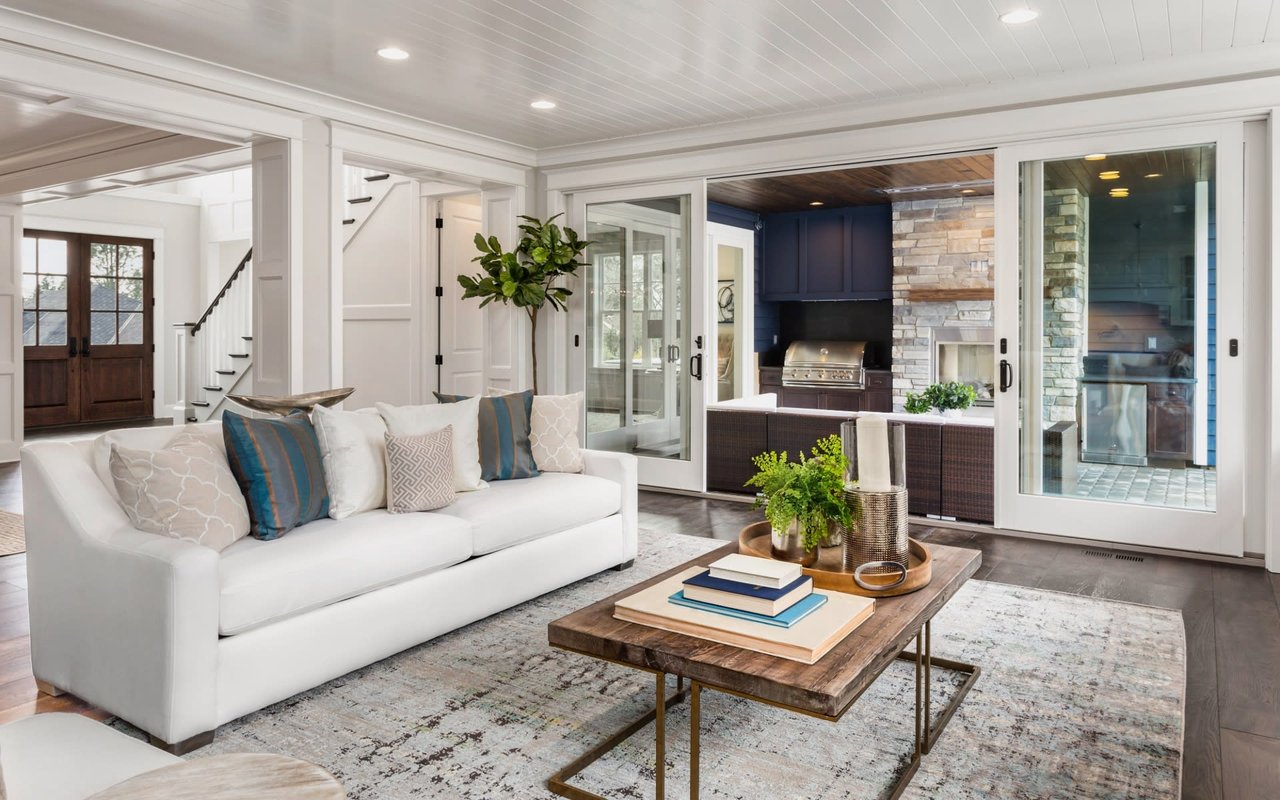
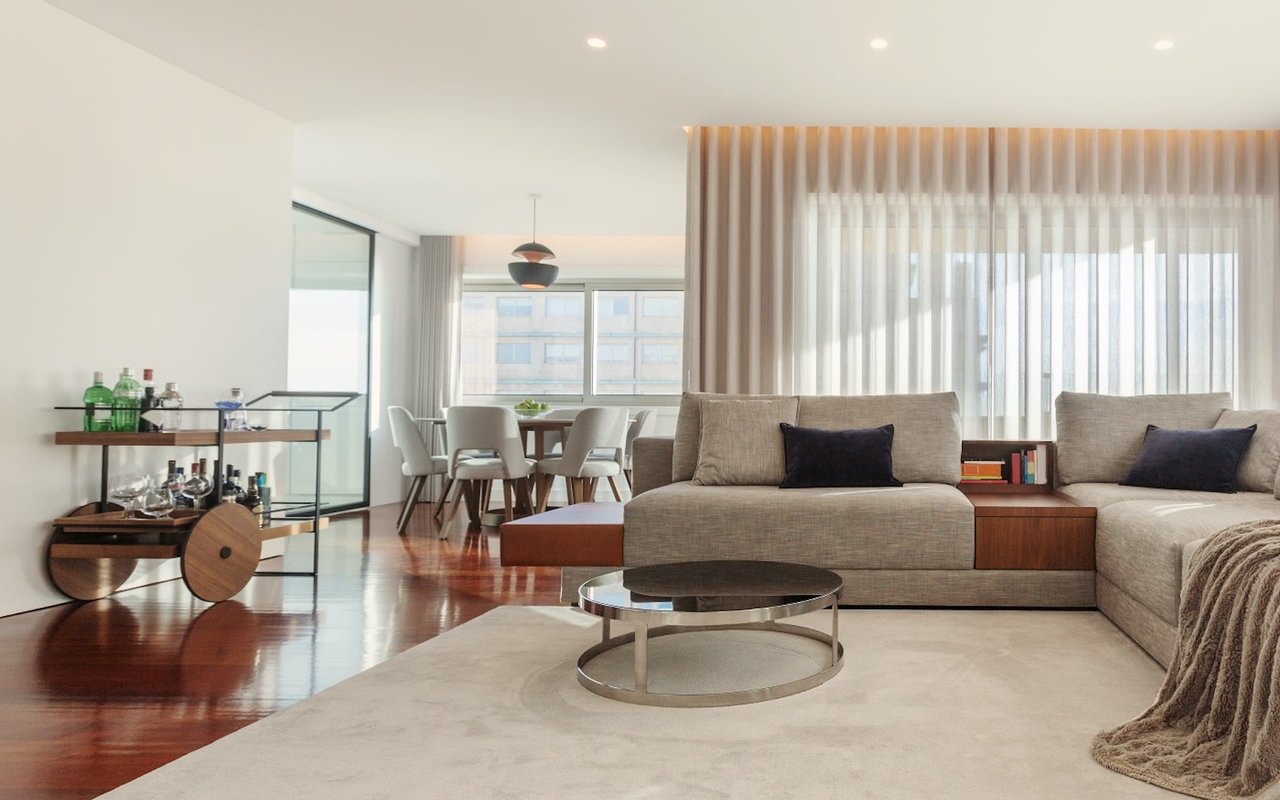
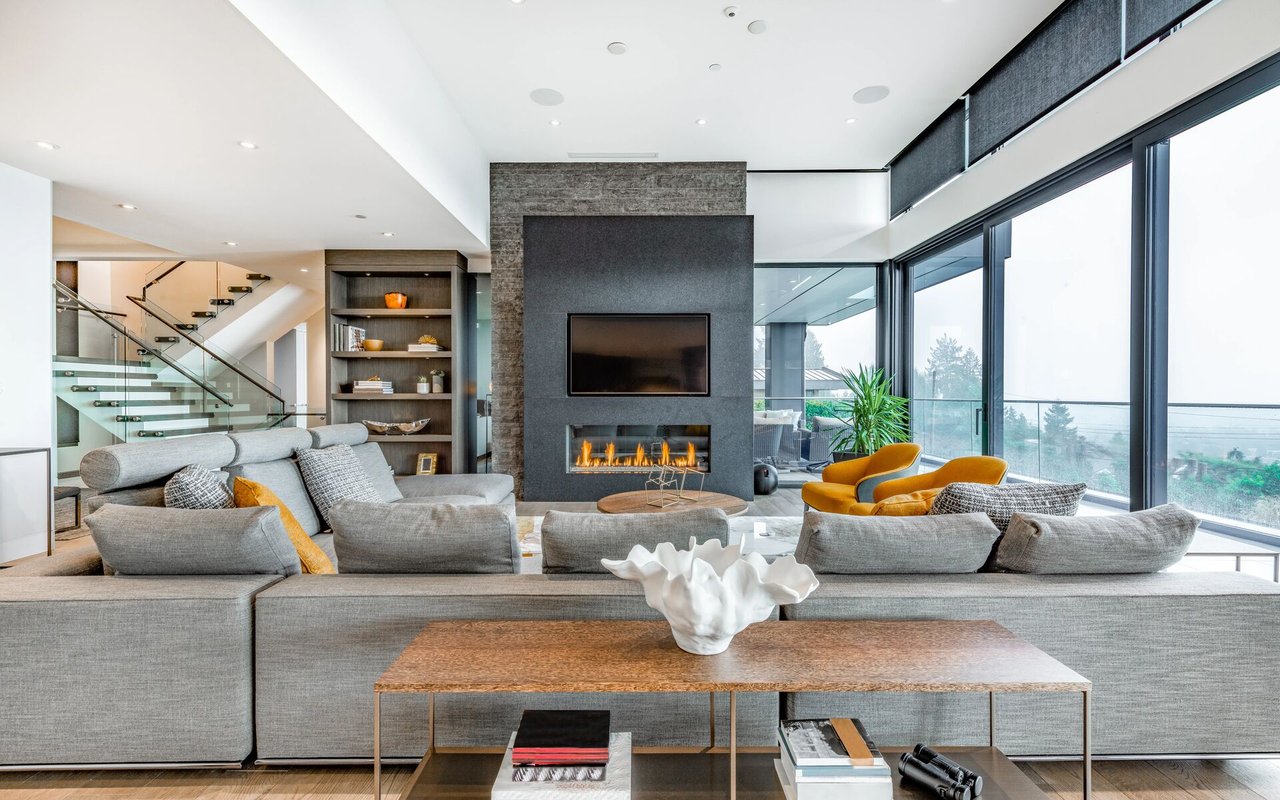
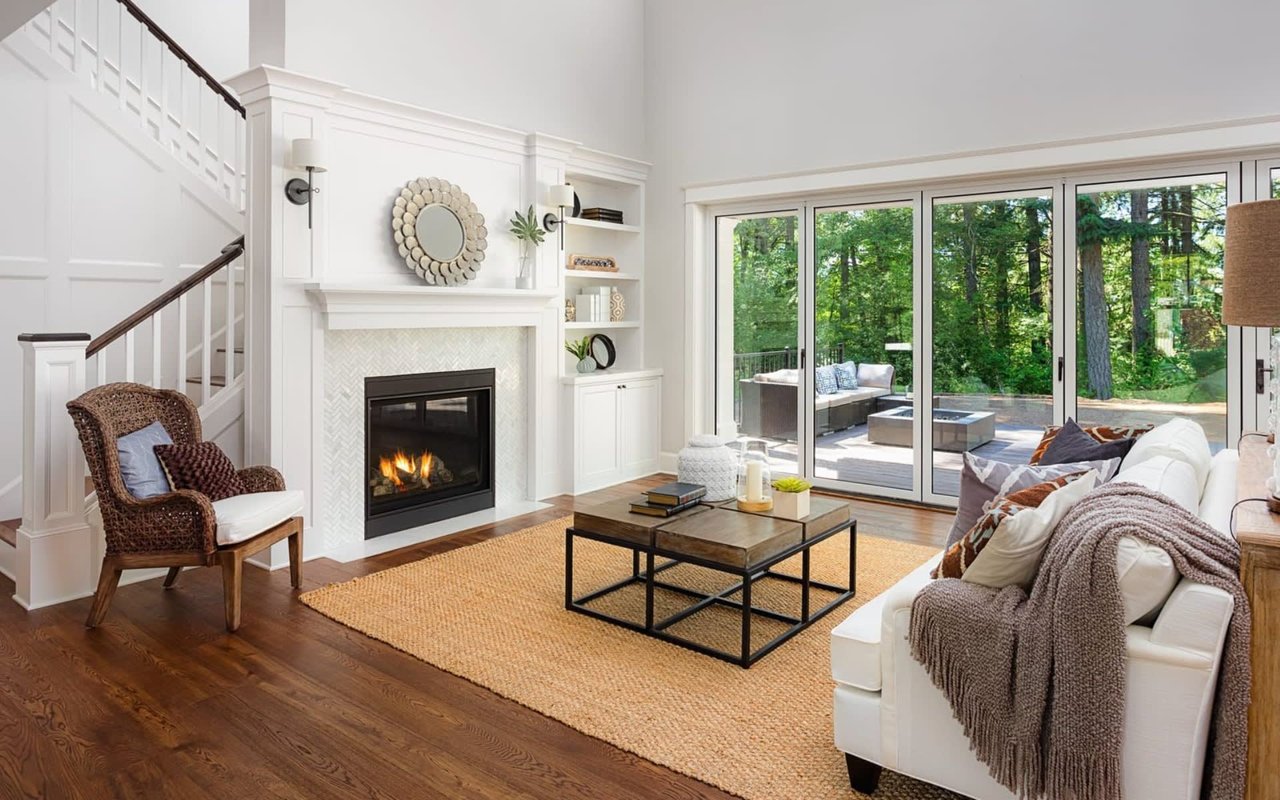
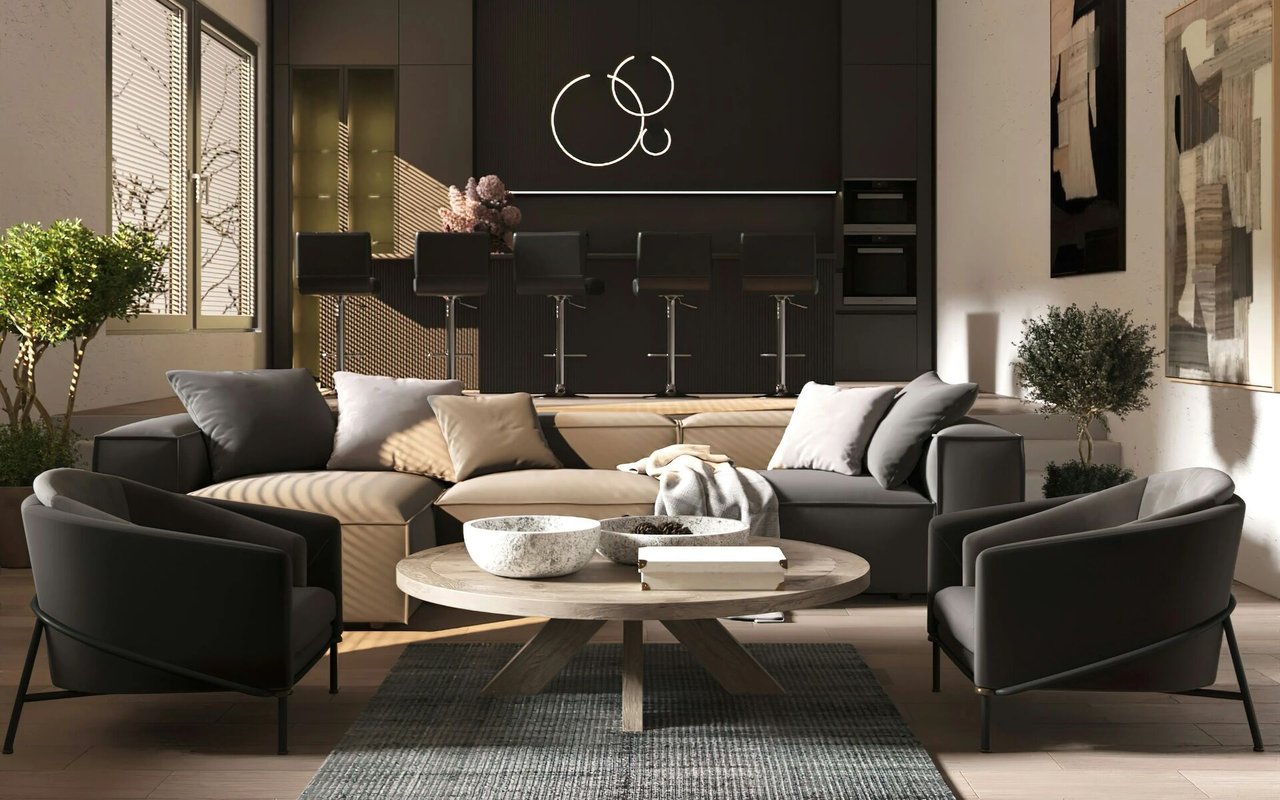
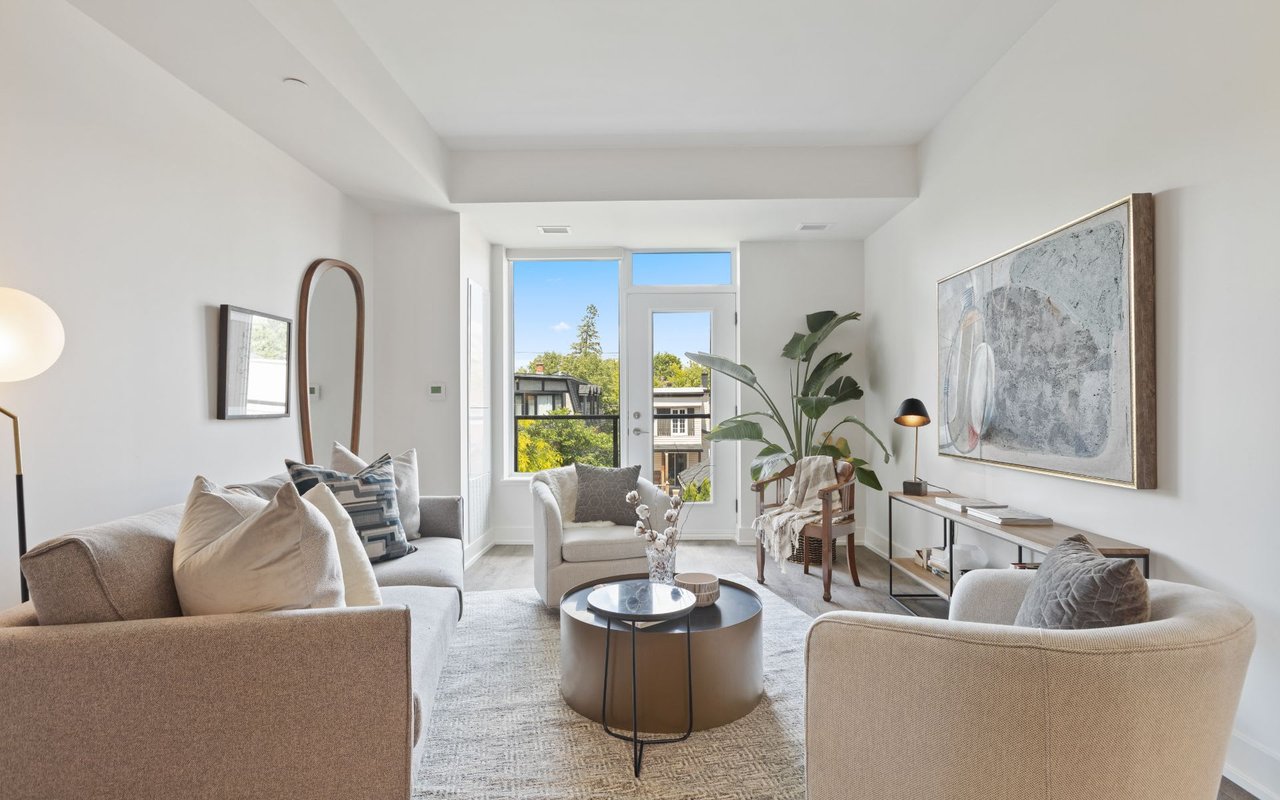
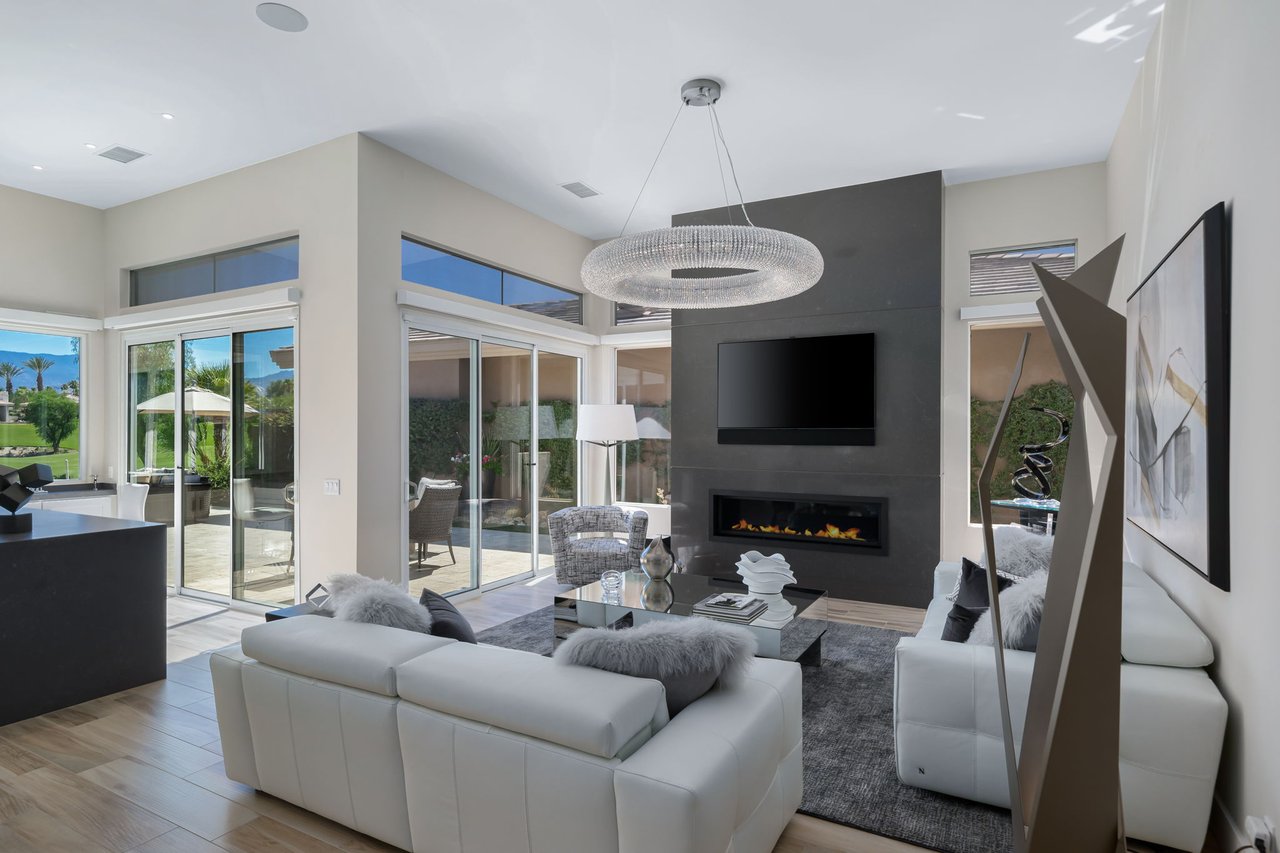
To attract both buyers and renters, hybrid-use homes must show well.
Top-performing homes usually feature:
-
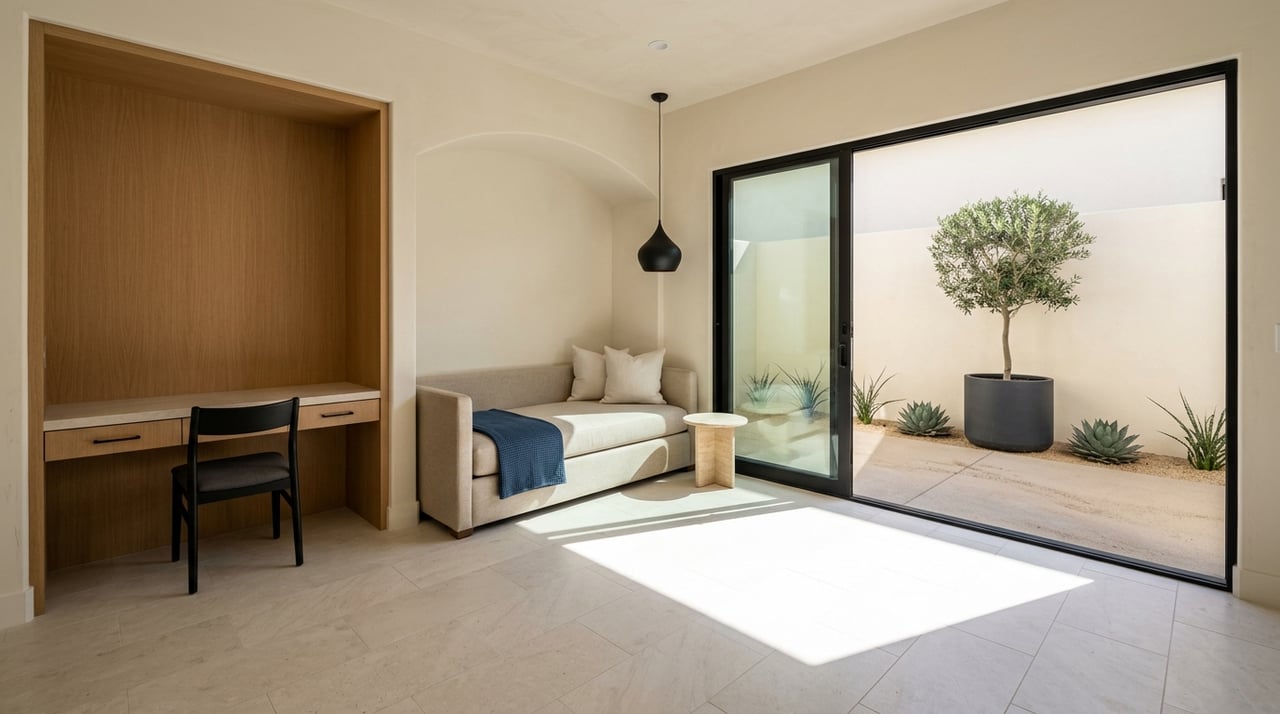
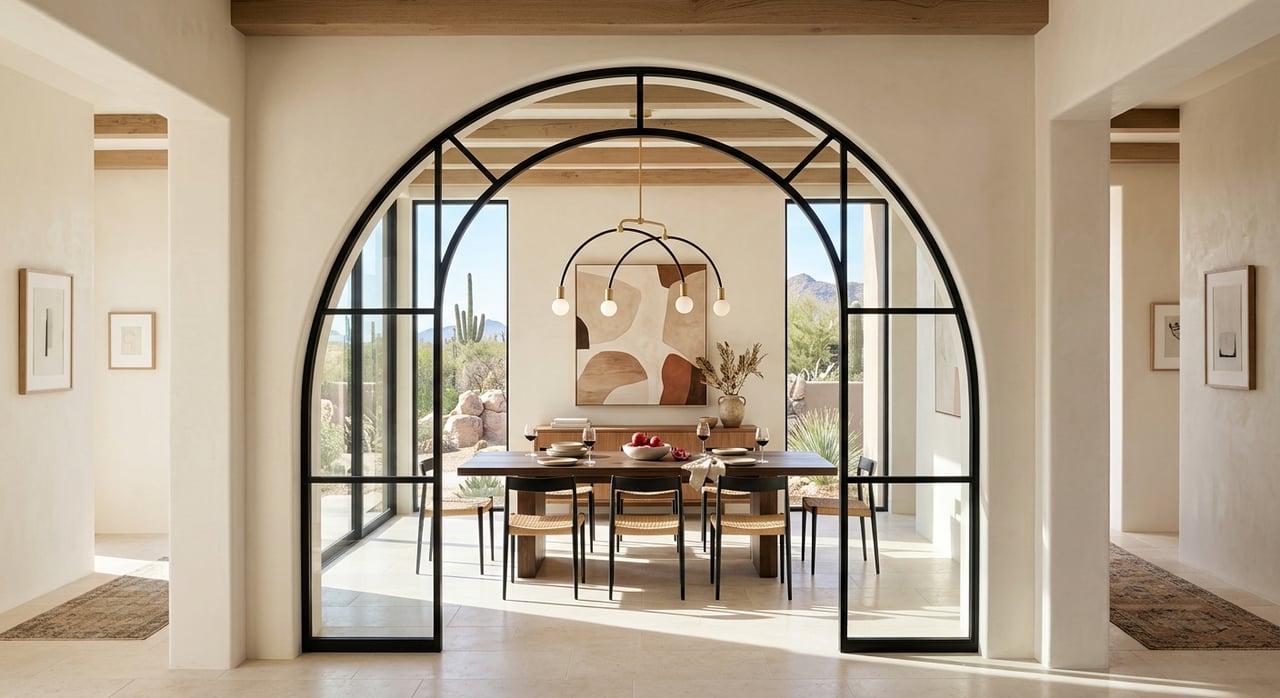
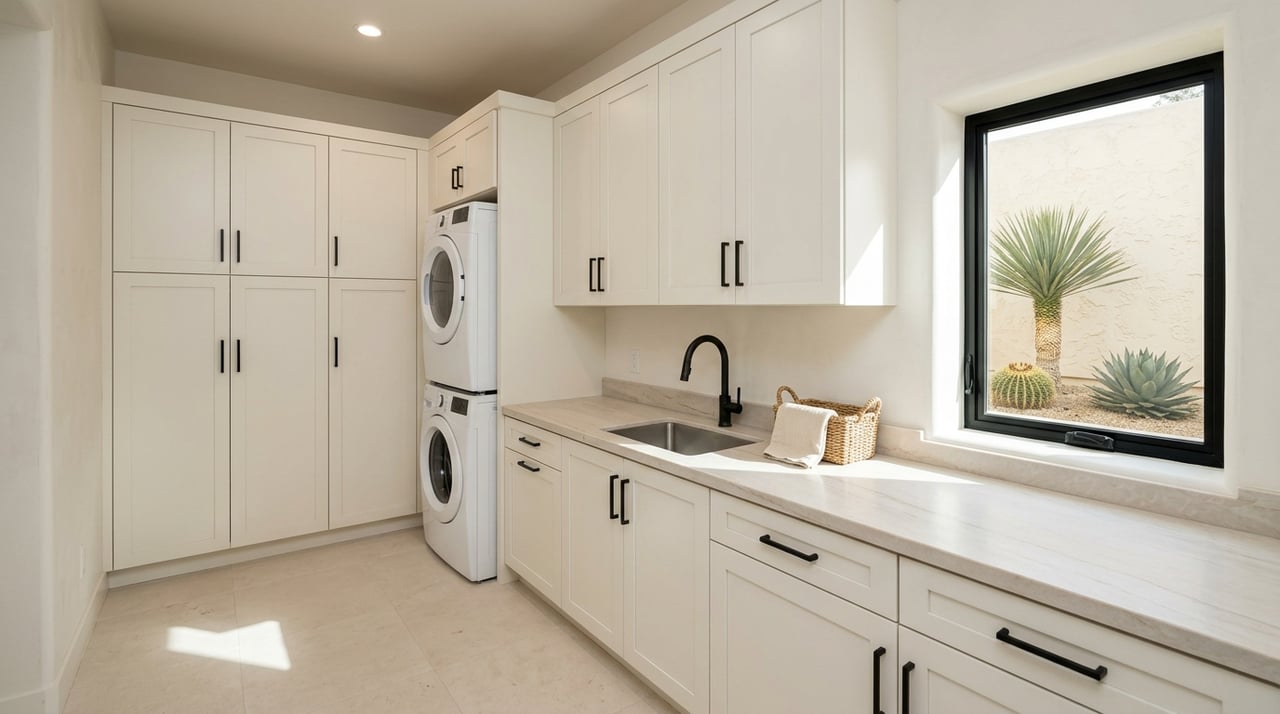
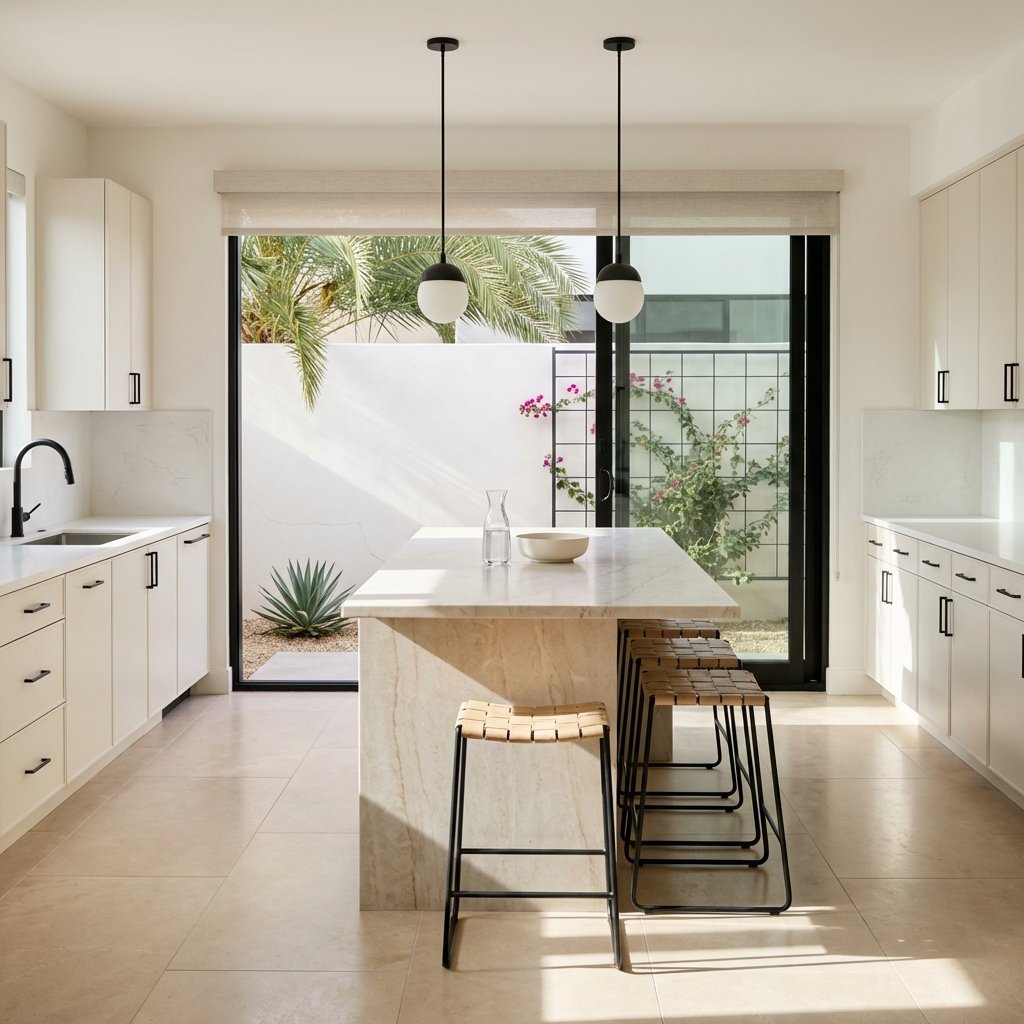
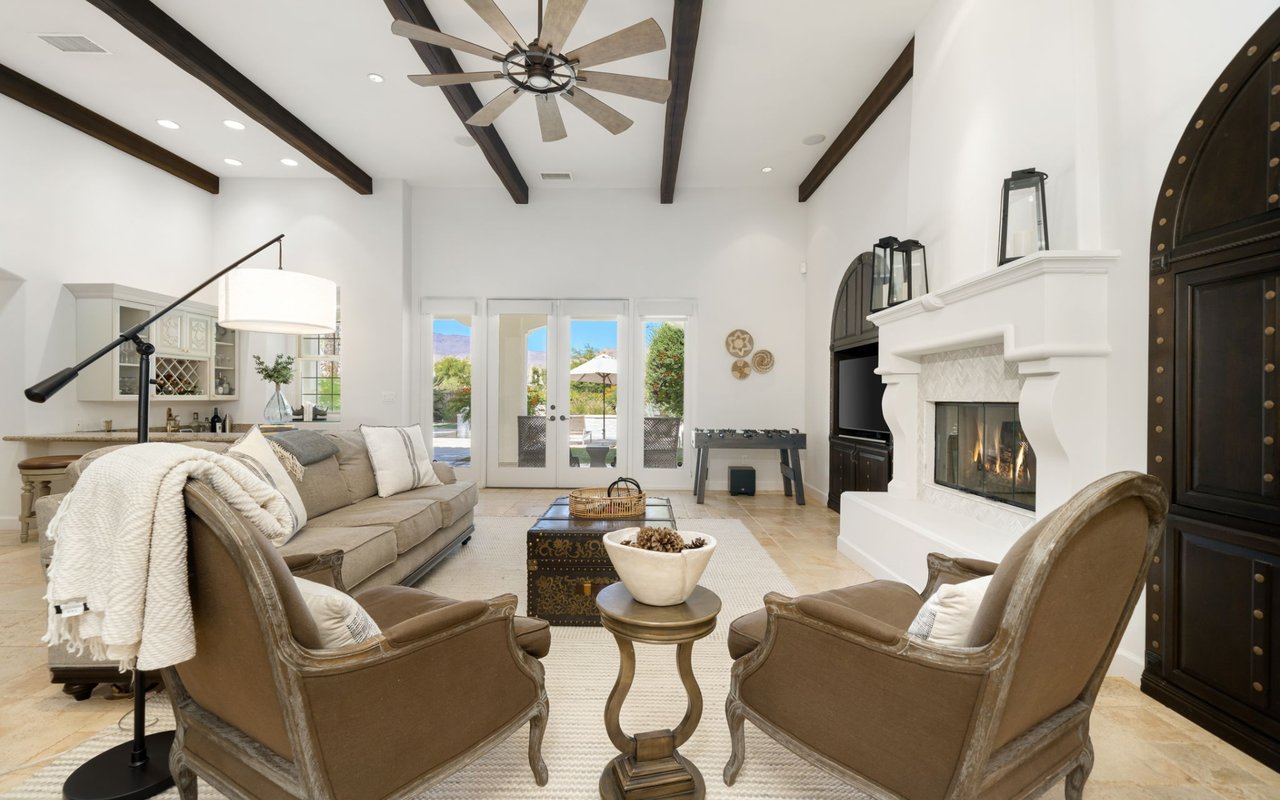
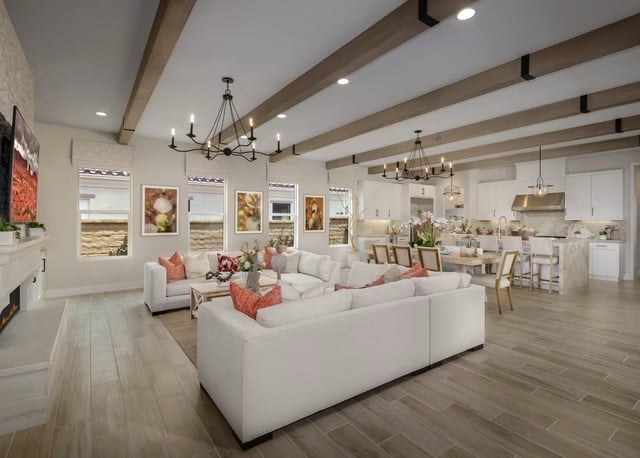
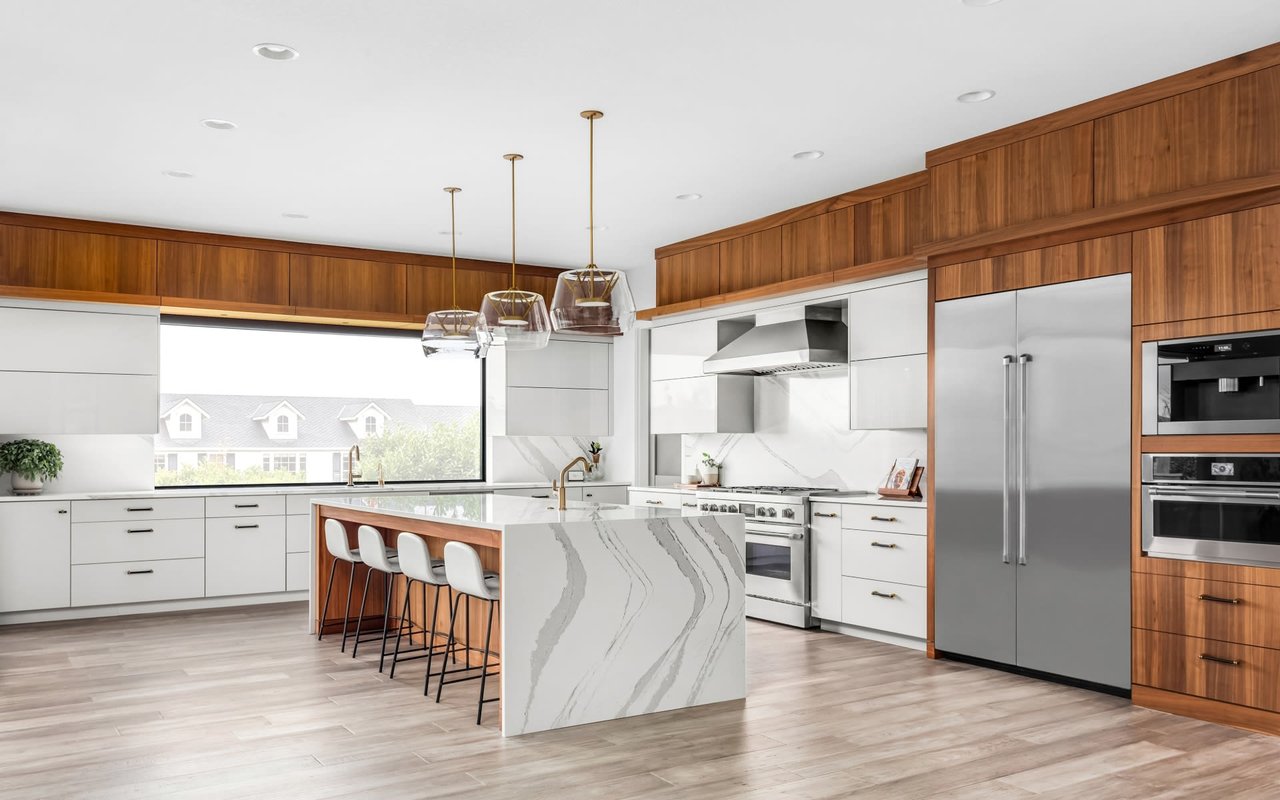
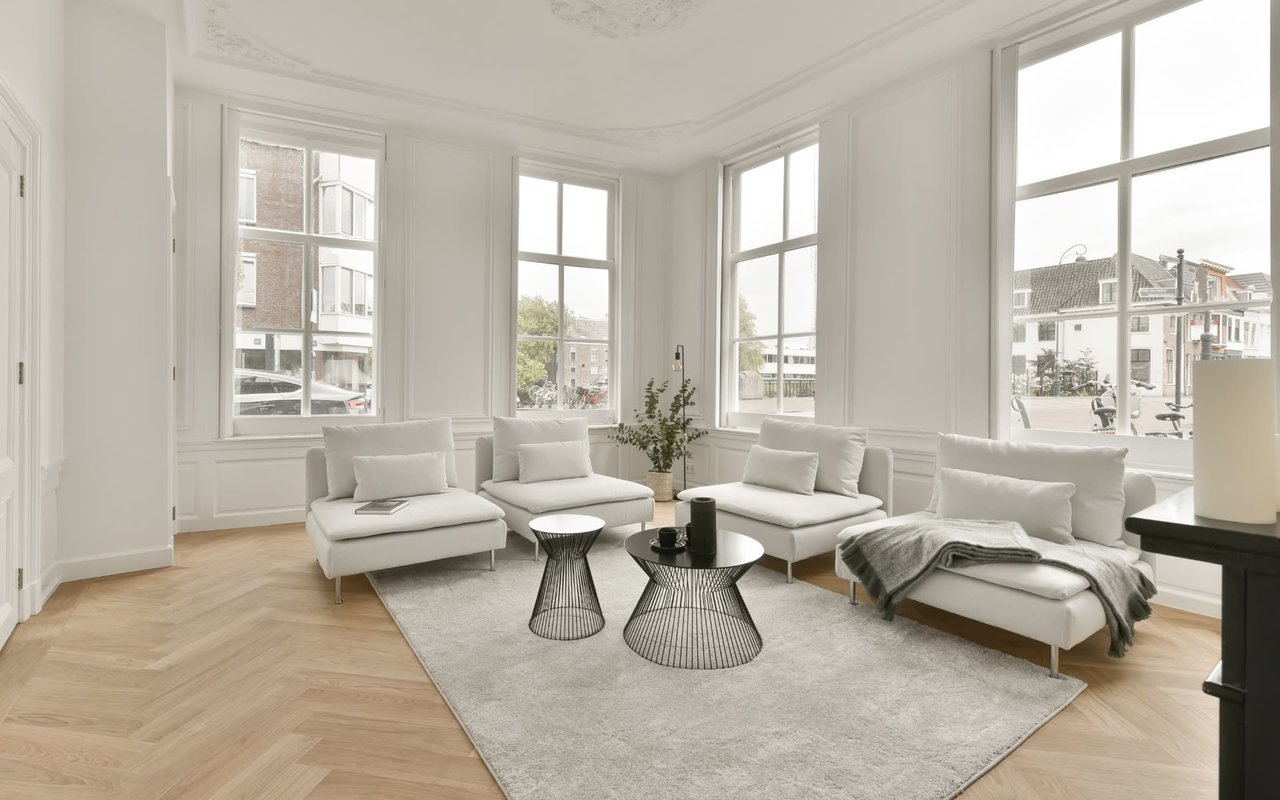
Updated interiors
-
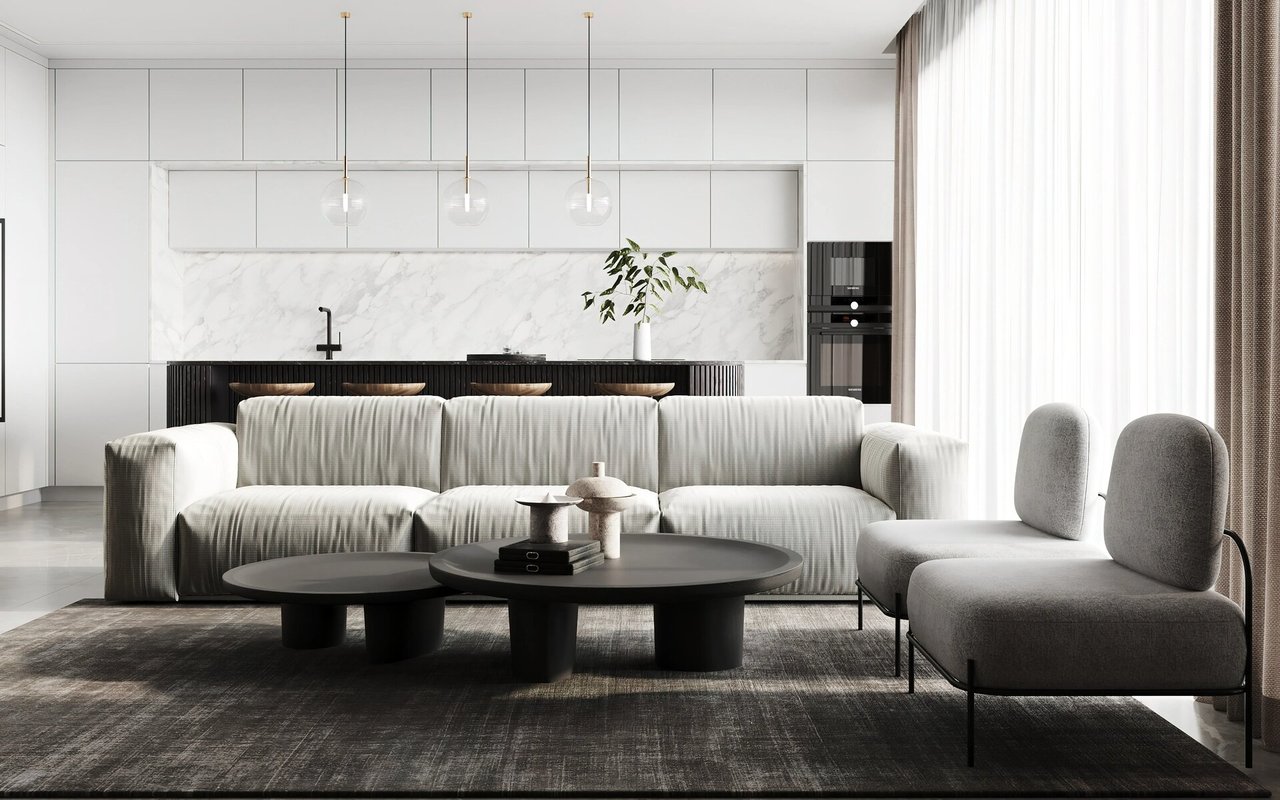
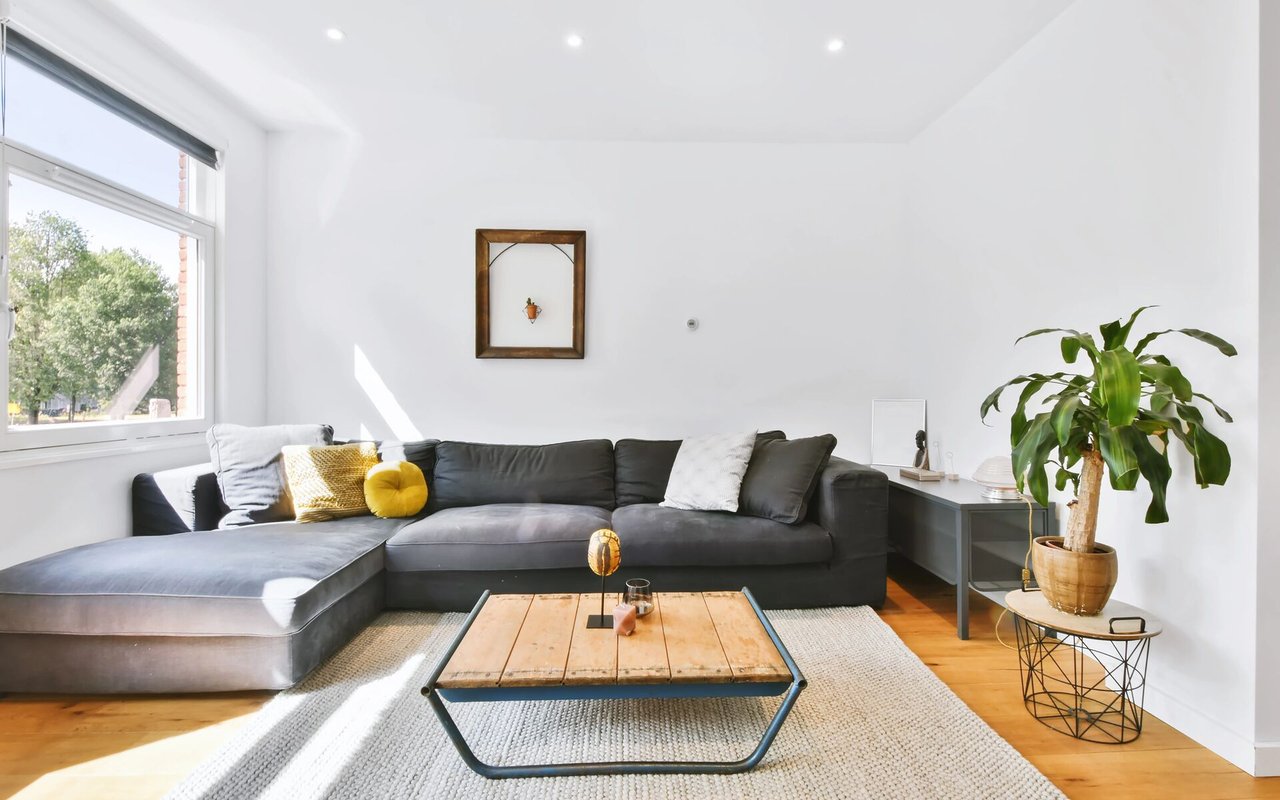
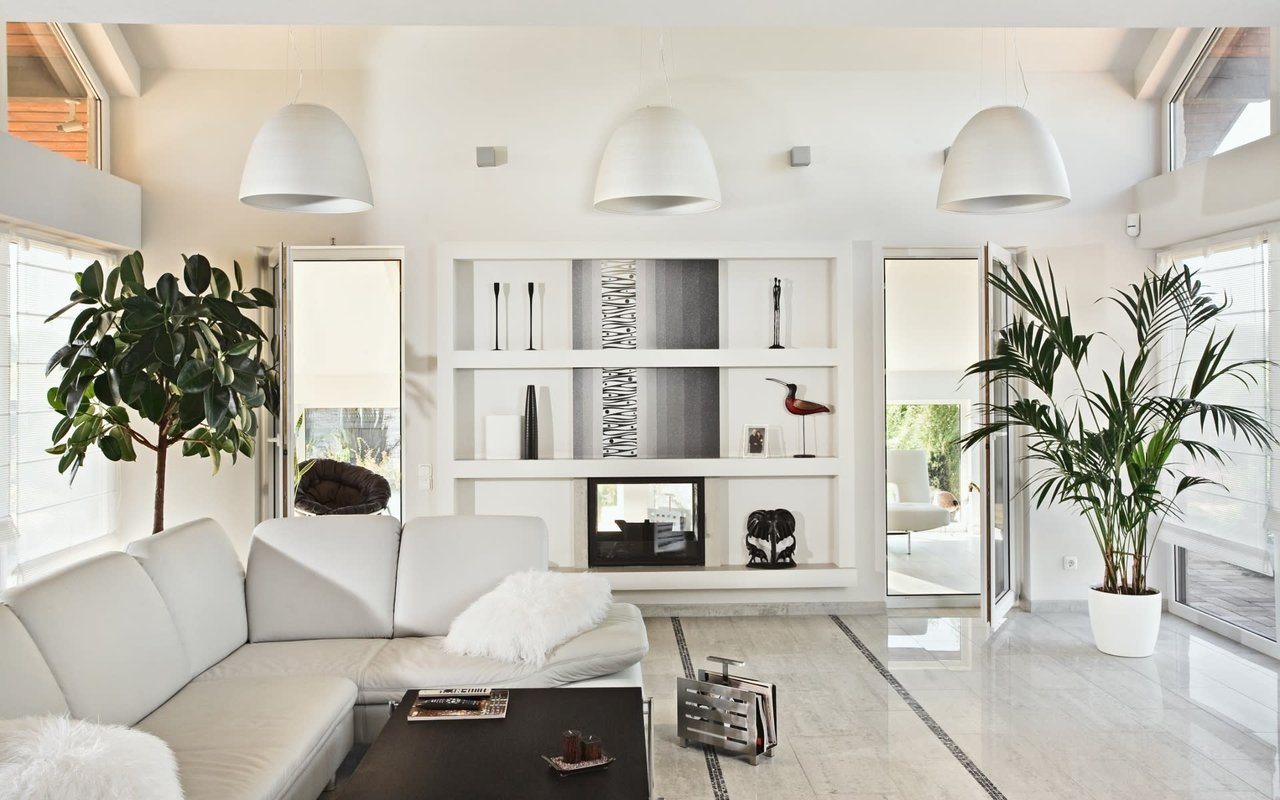
Light, modern finishes
-
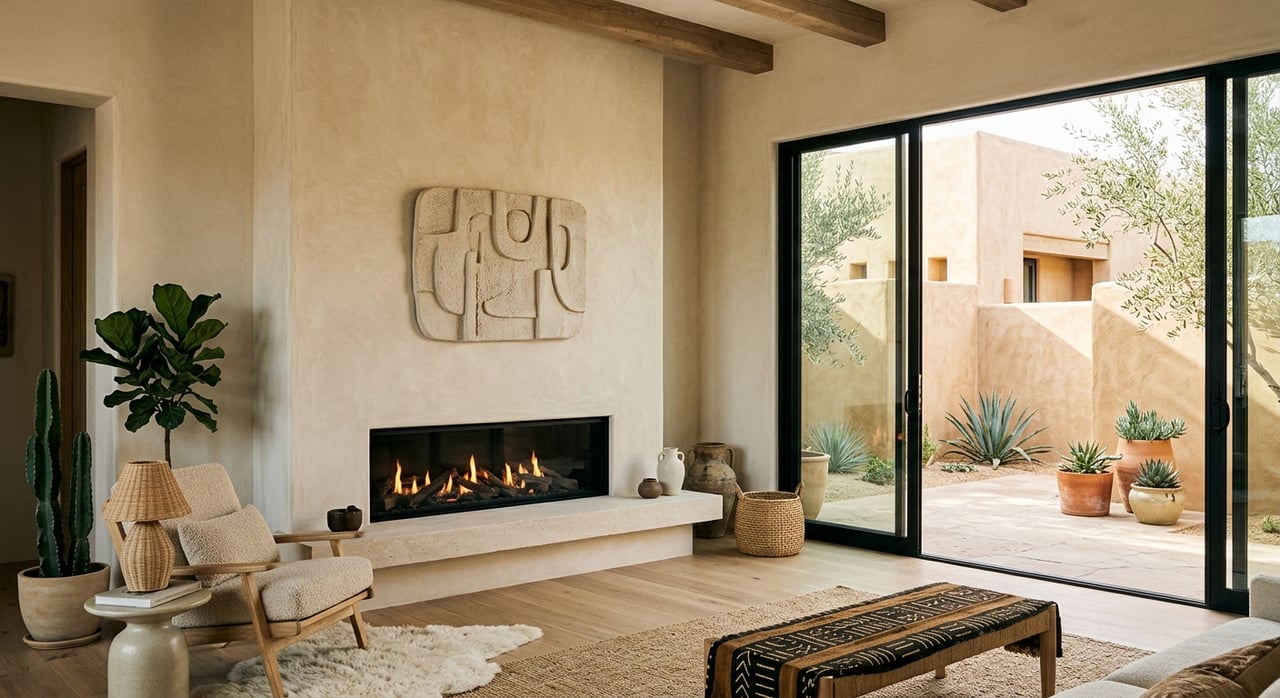
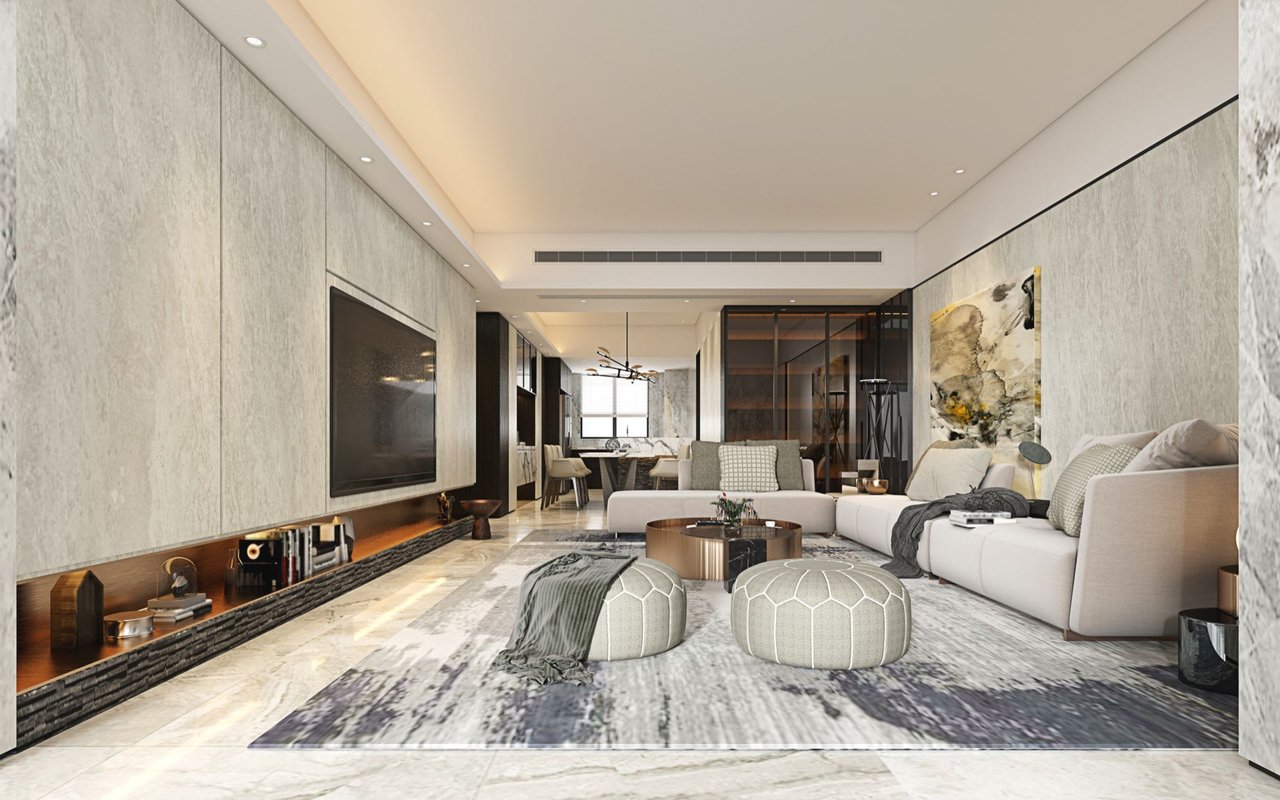
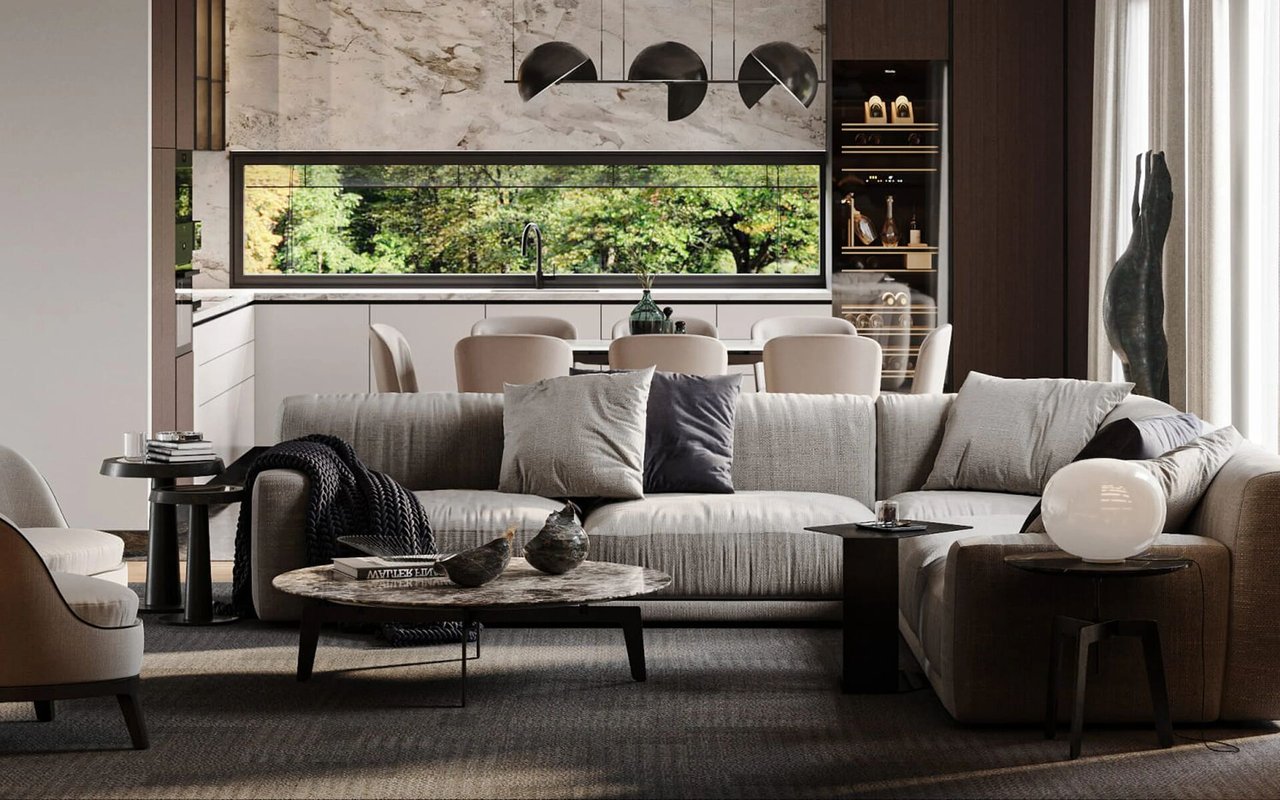
Open-concept living spaces
-
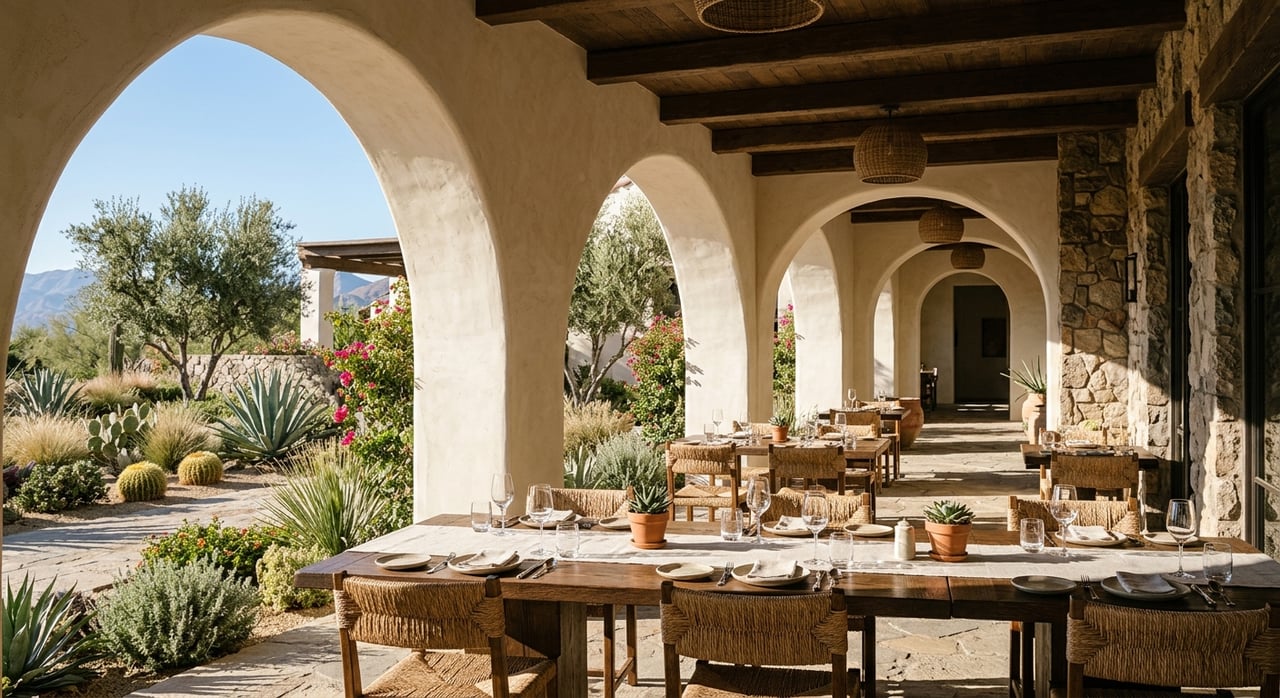
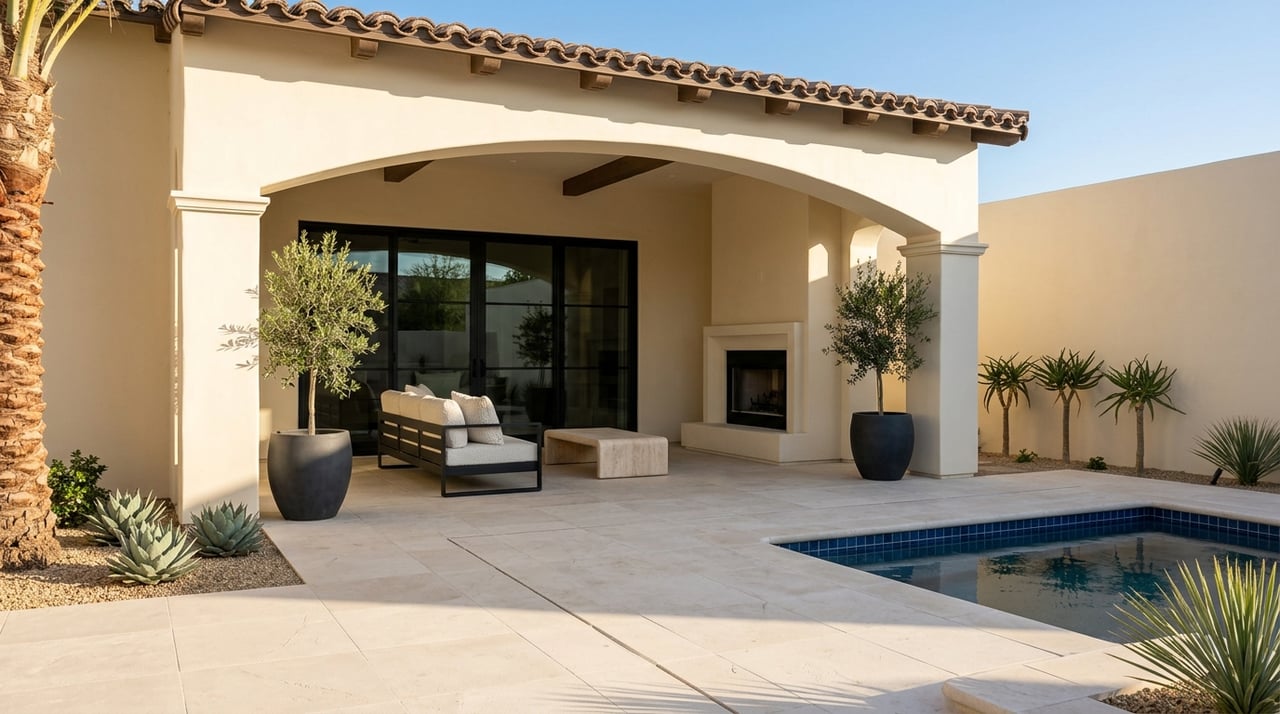
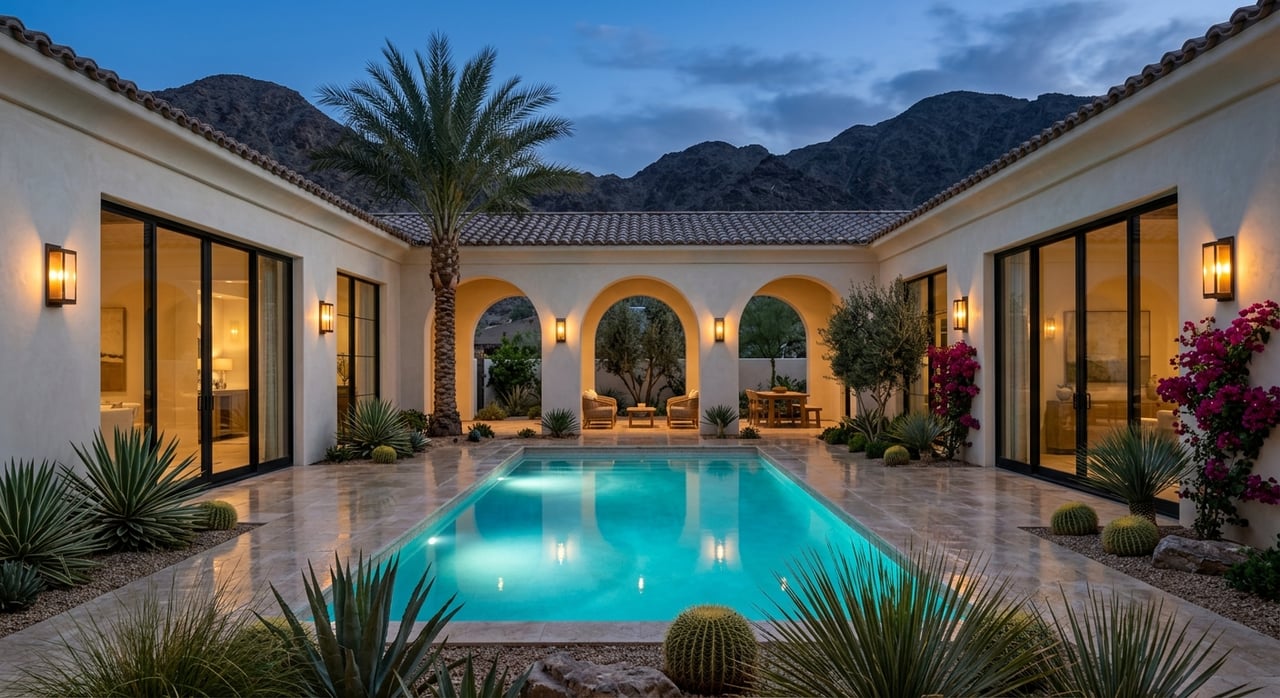
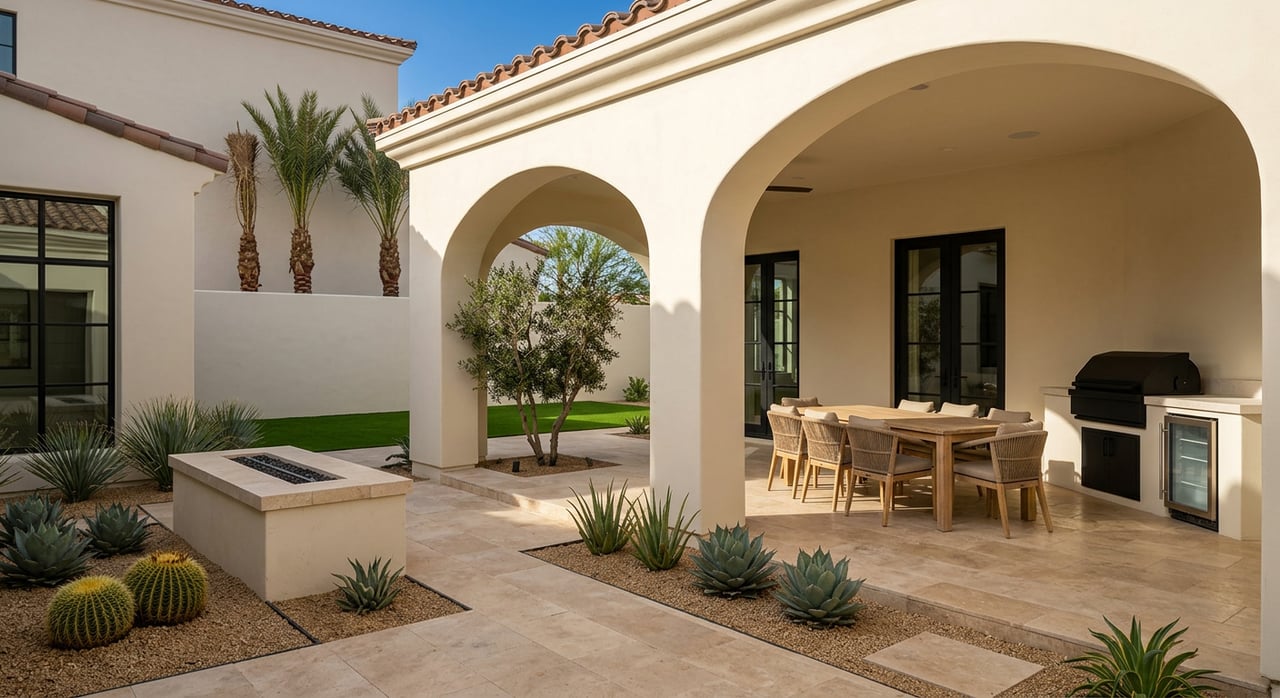
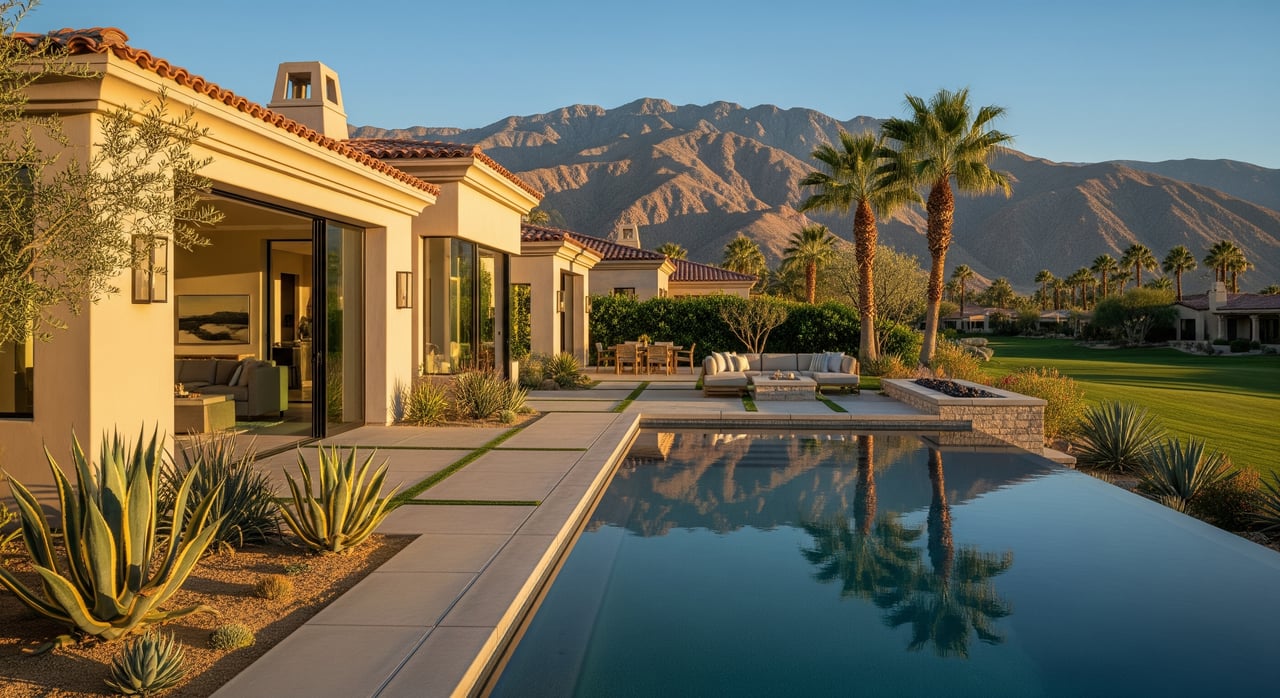
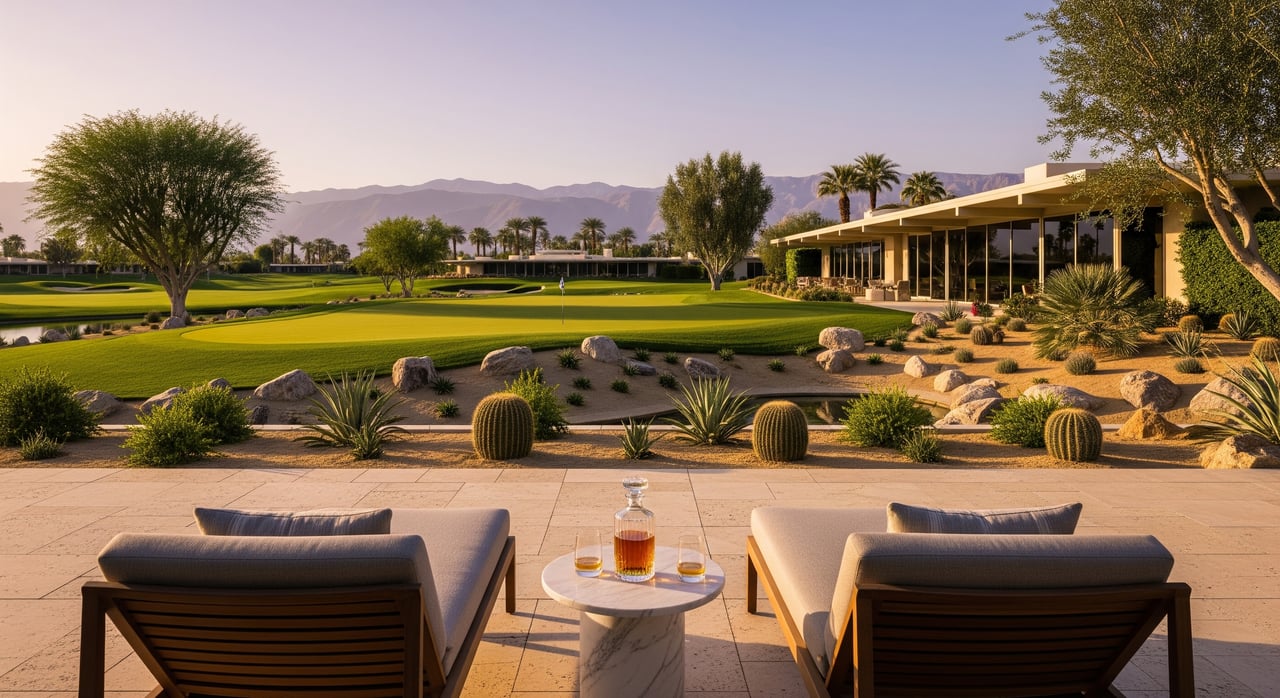
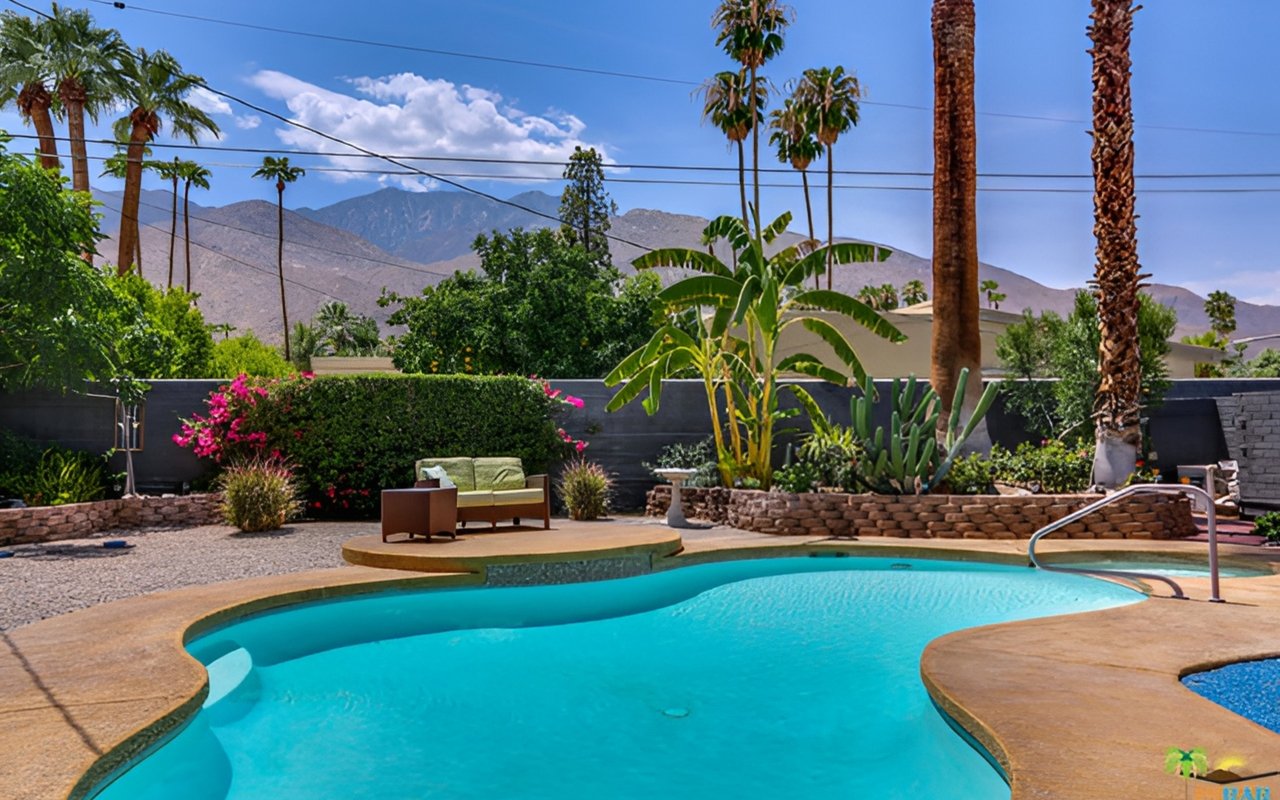
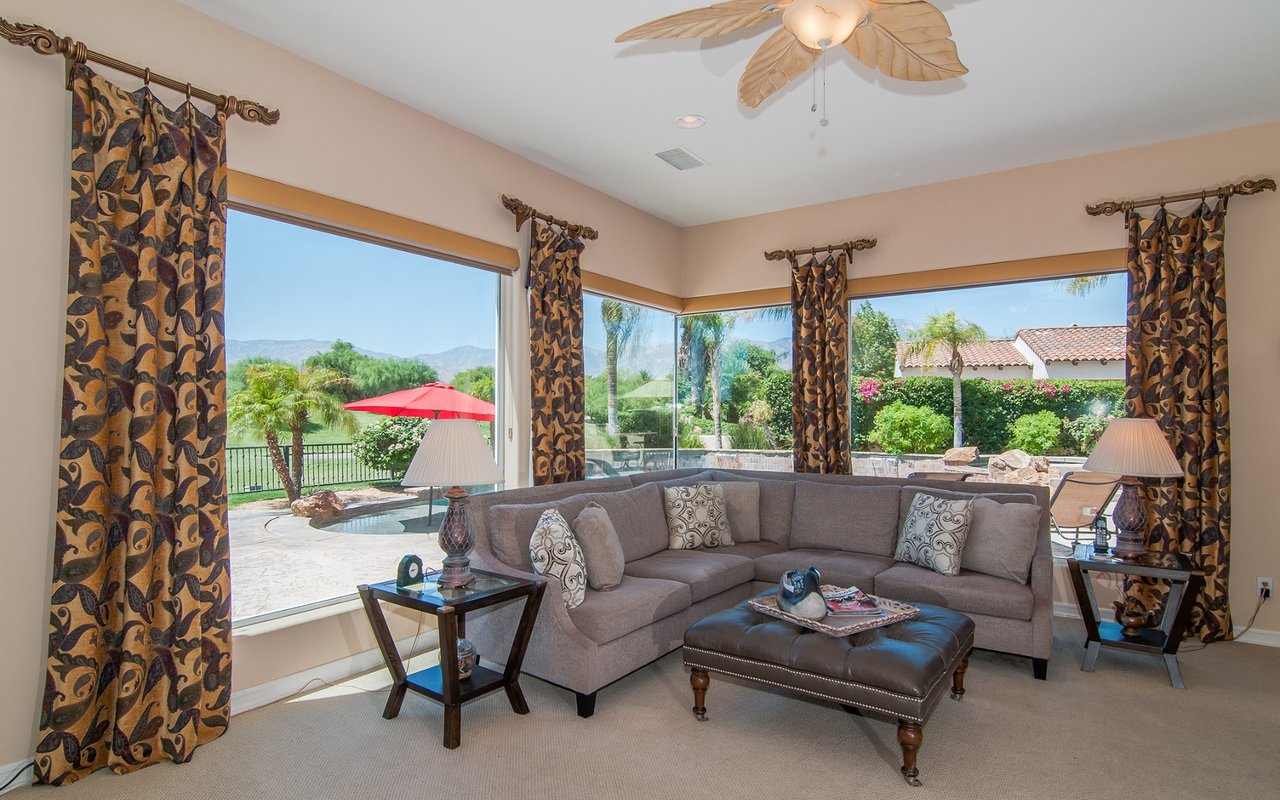
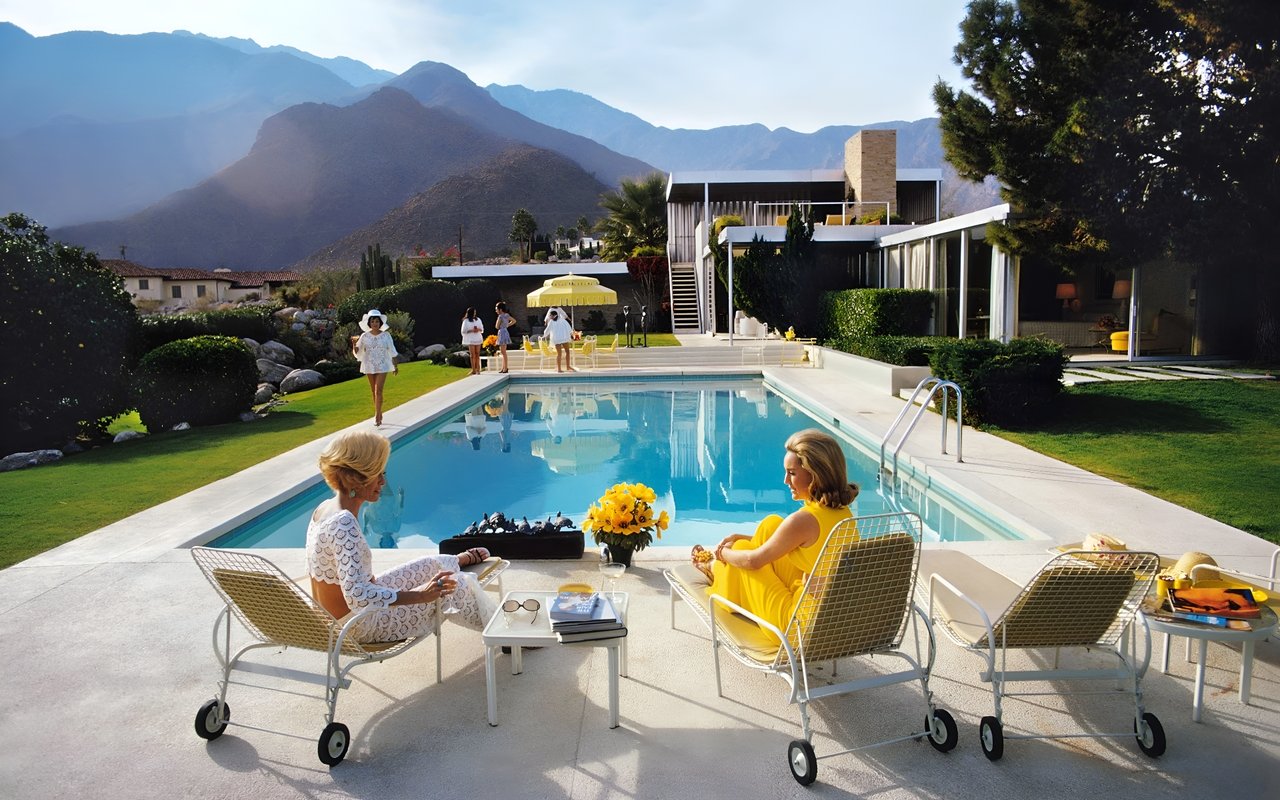
Great outdoor areas for entertaining
-
Clean, resort-like staging
-
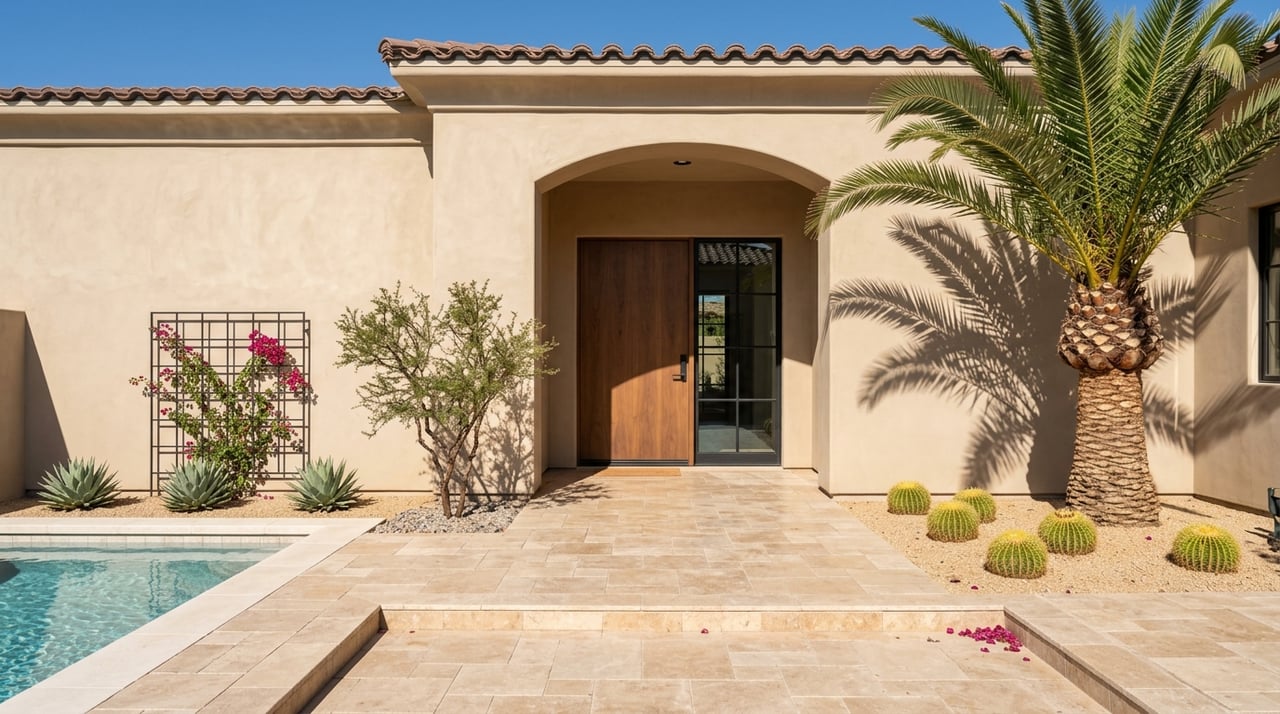
Location in a top country club
These details impact both resale value and rental performance.
Hybrid-Use Homes: Quick Q&A
1. What exactly is a hybrid-use home?
A hybrid-use home is a property that works as both a personal residence and a rental-income opportunity. Owners may live in the home off-season, use it seasonally, or rent it during high-demand months to offset ownership costs.
2. Which desert communities are best for hybrid ownership?
Some gated communities offer excellent flexibility for seasonal or monthly rentals, while others lean toward full-time residents and restrict short-term rentals. The key is understanding each HOA’s rules, rental caps, and demand patterns. This is where local guidance matters — not all communities are designed for hybrid success. Each city has it's own restrictions and areas of opportunity. For example, the City of Indian Wells defers to the individual HOA's, the City of La Quinta has carved out several "tourism commercial zones" and the City of Palm Desert has it's R2 zones.
3. How much income can a hybrid-use home generate?
It depends on location, community rules, interior updates, outdoor amenities, and seasonal demand. Well-presented homes in high-demand neighborhoods can often cover a significant portion of their ownership costs during peak season. Of course you want to do your due diligence on any specific property but in general, you can approximate a return of $75-100K annually on a property with a value of $1M- $1.5M.
4. What features make a hybrid property more profitable?
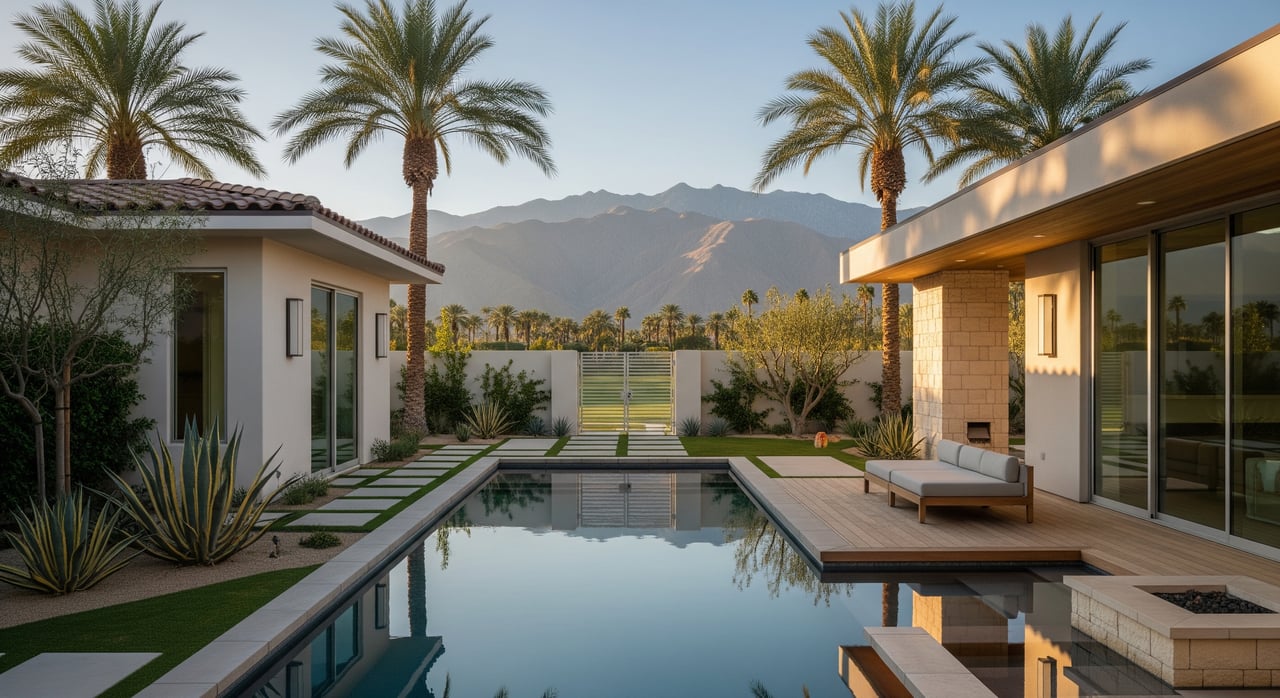
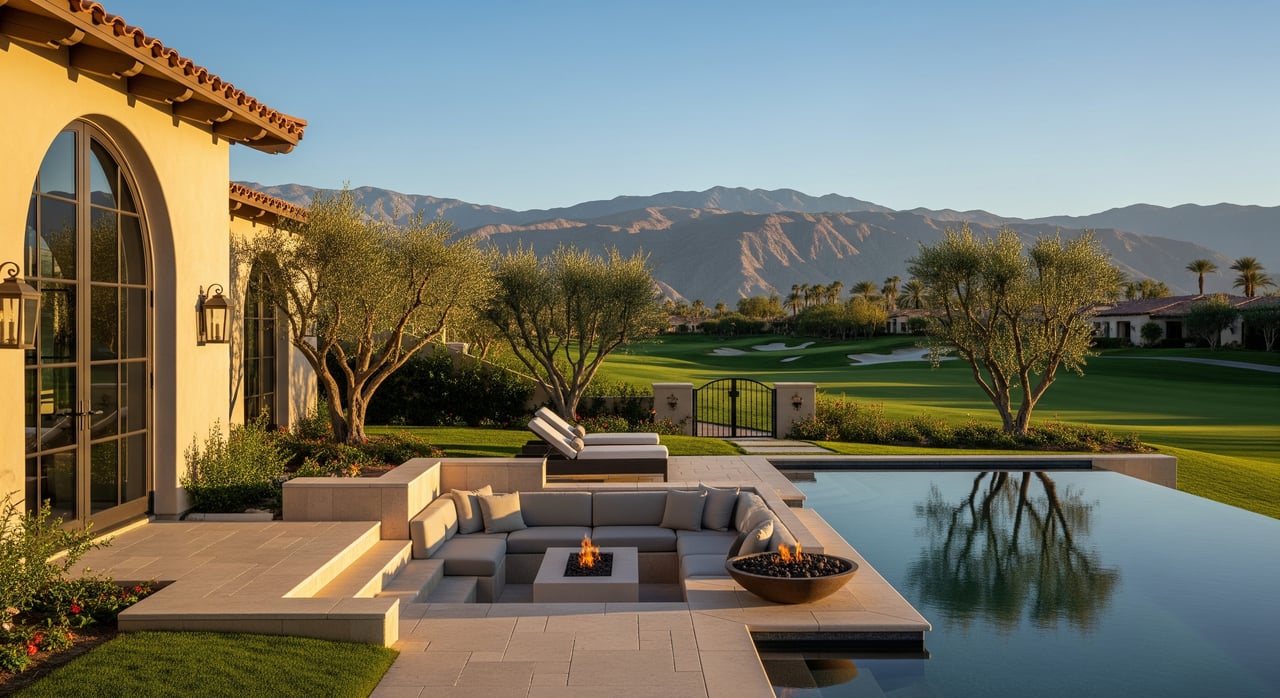
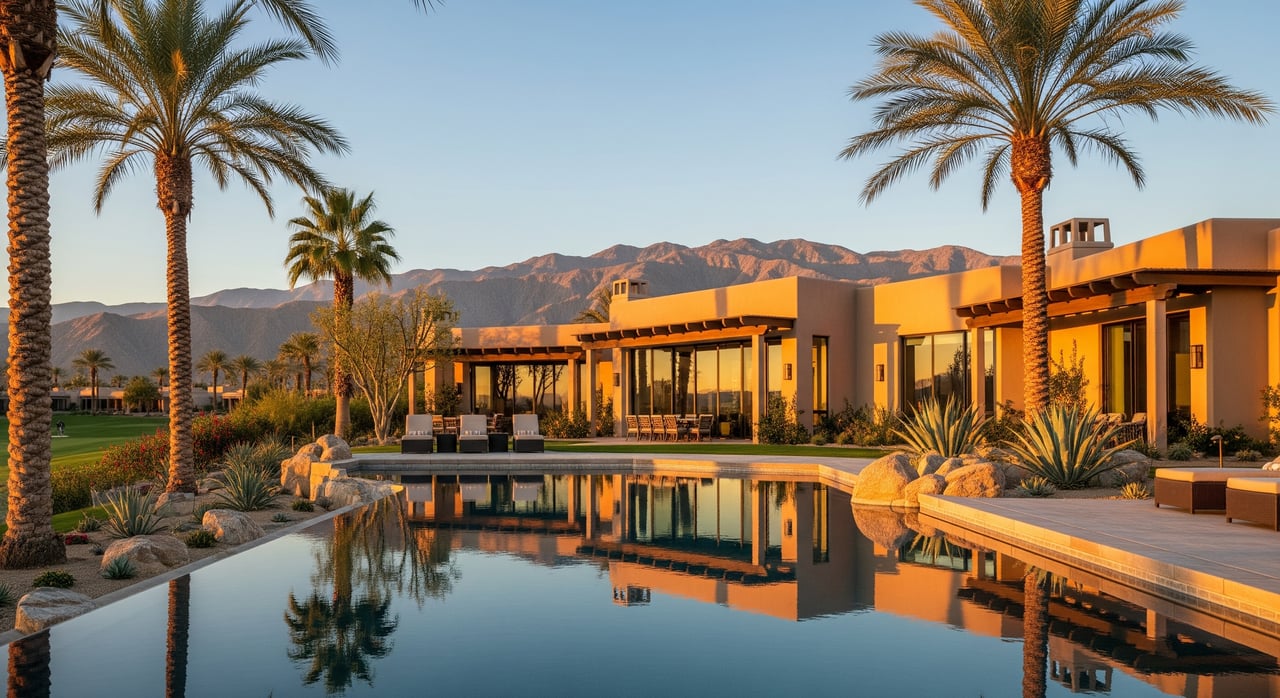
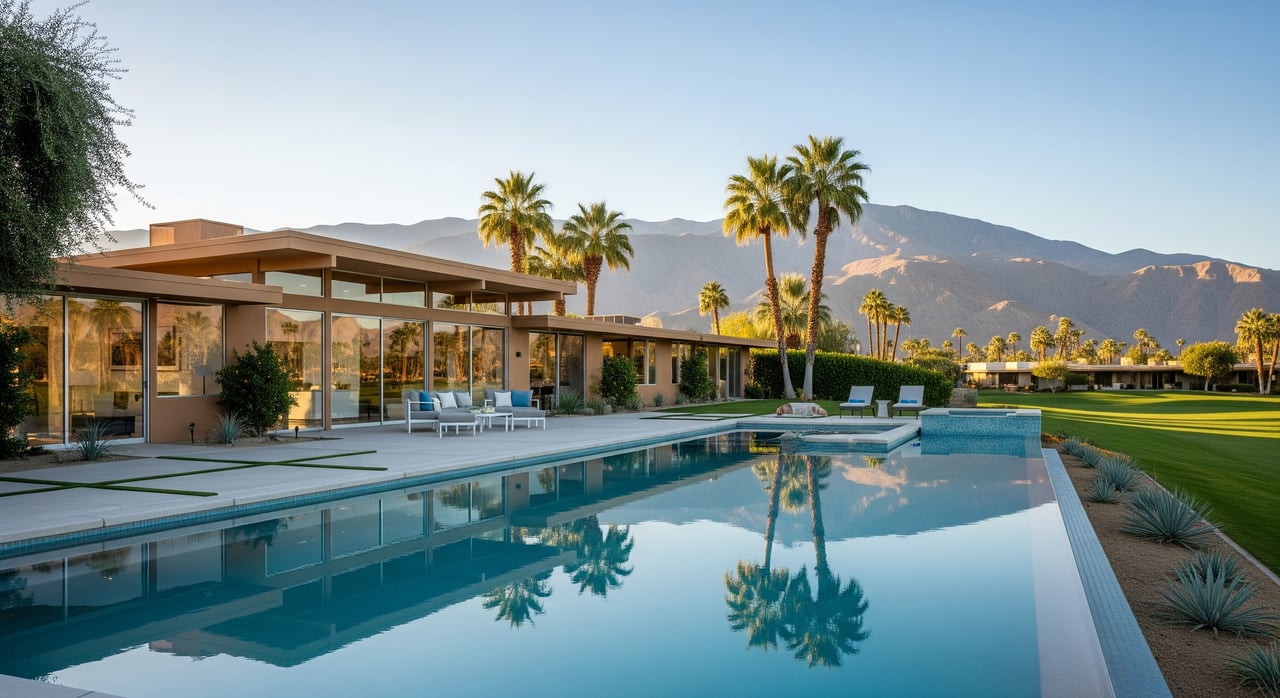
Updated interiors, modern furnishings, strong indoor-outdoor flow, private pools or spas, and most importantly club location can all boost rental desirability. In the desert, clean, bright, “resort-style” design tends to perform best. Proximity to golf, pickleball, festivals, hiking, and dining also increases demand. Also note, you will want to discuss IRS rules with your tax specialist in regards to specific rules that differentiate a second home from a pure investment property, generally involving a minimum number of personal use days per year (at least 14 days or 10% of the rental days, whichever is greater) if it's also rented out for income.