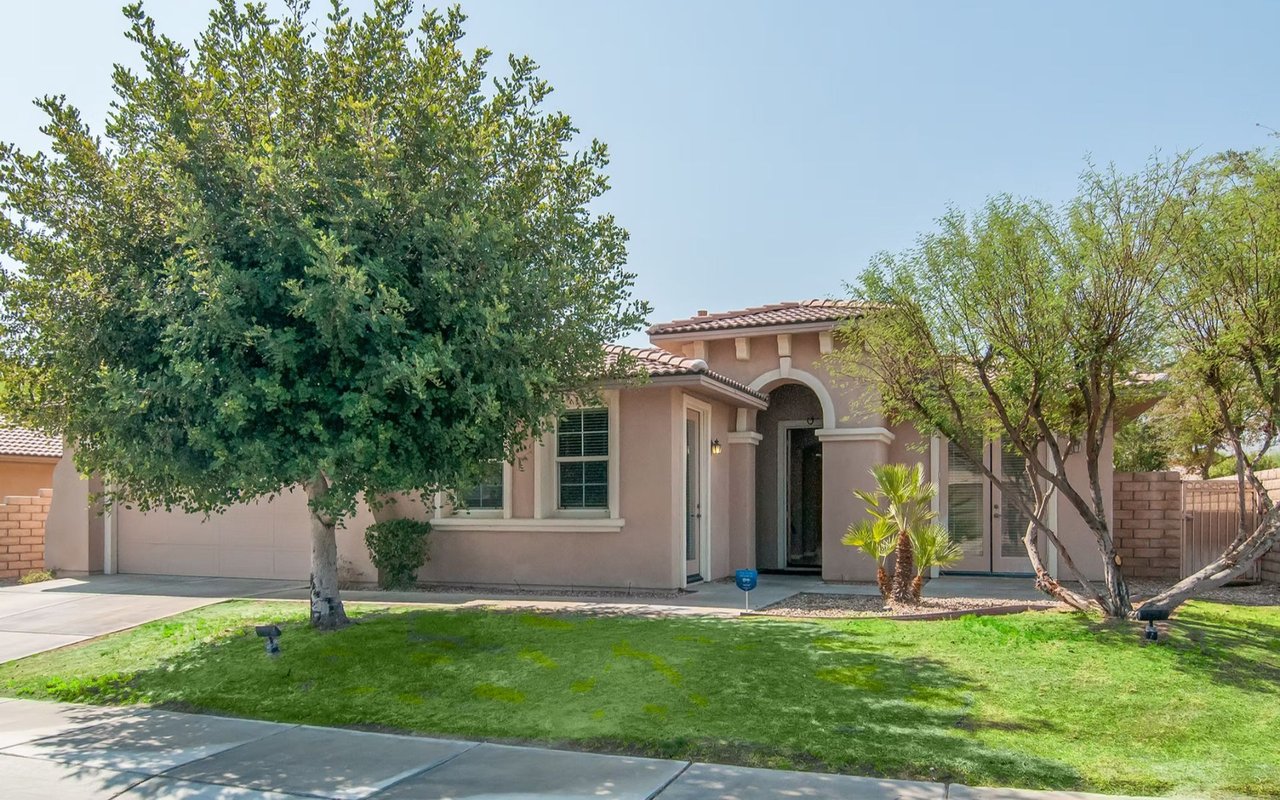
Thinking about selling your Indian Wells home? In a resort market where buyers travel in for a season and luxury inventory can shift fast, timing and presentation do a lot of the heavy lifting. You want a sale that feels smooth, confident, and rewarding. In this guide, you’ll learn the best months to list, what today’s buyers expect, how to set a winning price, and a simple 90-day prep plan tuned to Indian Wells. Let’s dive in.
Why timing matters in Indian Wells
Indian Wells sits at the top of the Coachella Valley’s price ladder, which means the market is more sensitive to price-band swings and short-term inventory changes. Local data shows clear seasonality. Buyer activity and inventory typically rise in late fall and peak in winter through early spring. The GPSR Desert Housing Report highlights this seasonality and urges MLS-level tracking when you decide the month to list.
High-visibility events add another layer. March brings the BNP Paribas Open in Indian Wells, a global tennis tournament that draws visitors and media. The added traffic often increases attention for resort listings. If you can align exposure with the event window, you may benefit from elevated buyer interest. Explore the tournament profile at the BNP Paribas Open site.
For context, as of January 2026 the valley’s median detached price was about $675,000 with roughly 5.6 months of sales. That reads as a balanced to buyer-leaning snapshot for the region, and it reinforces why timing and pricing discipline matter. See the full regional metrics in the GPSR report.
Best months to list
- Late winter to early spring is the prime window. January through March typically captures the snowbird season and the tournament’s attention boost.
- Inventory often rises into the season. If you plan to price competitively, listing early can help you stand out before supply builds.
- Use current months-of-sales and days-on-market trends to fine-tune your launch timing. The GPSR report provides monthly guidance by city and price bracket.
Who your buyer is and what they value
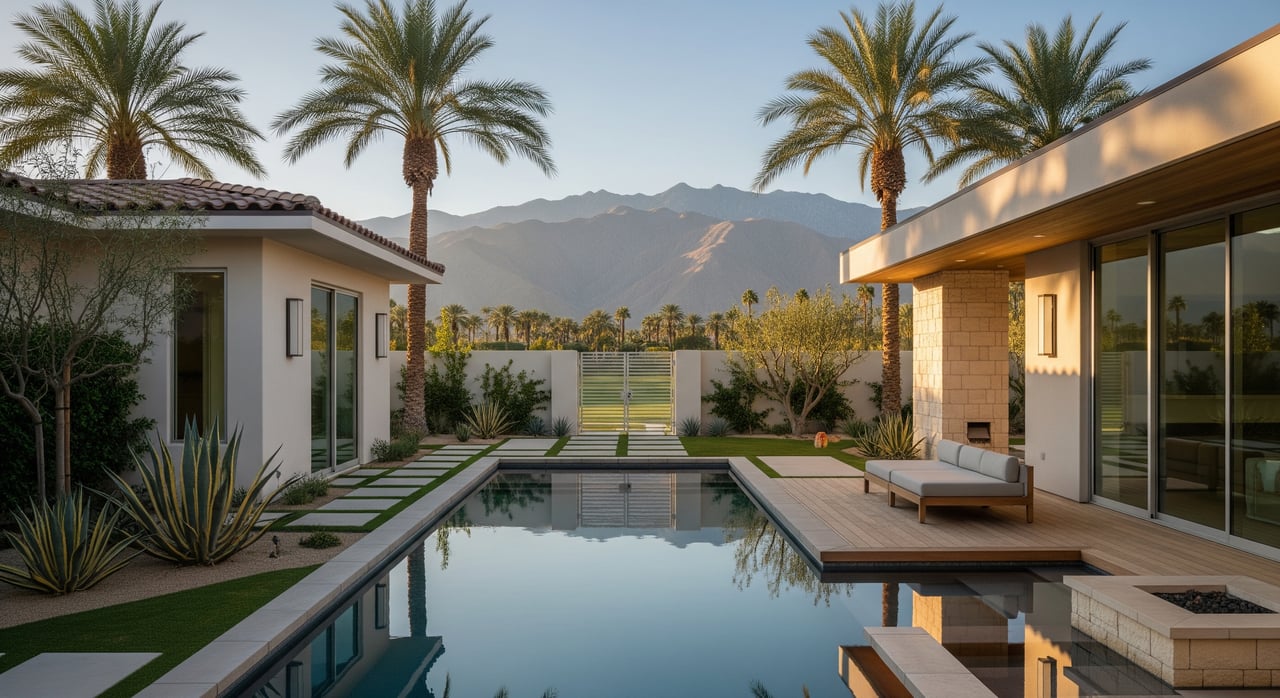
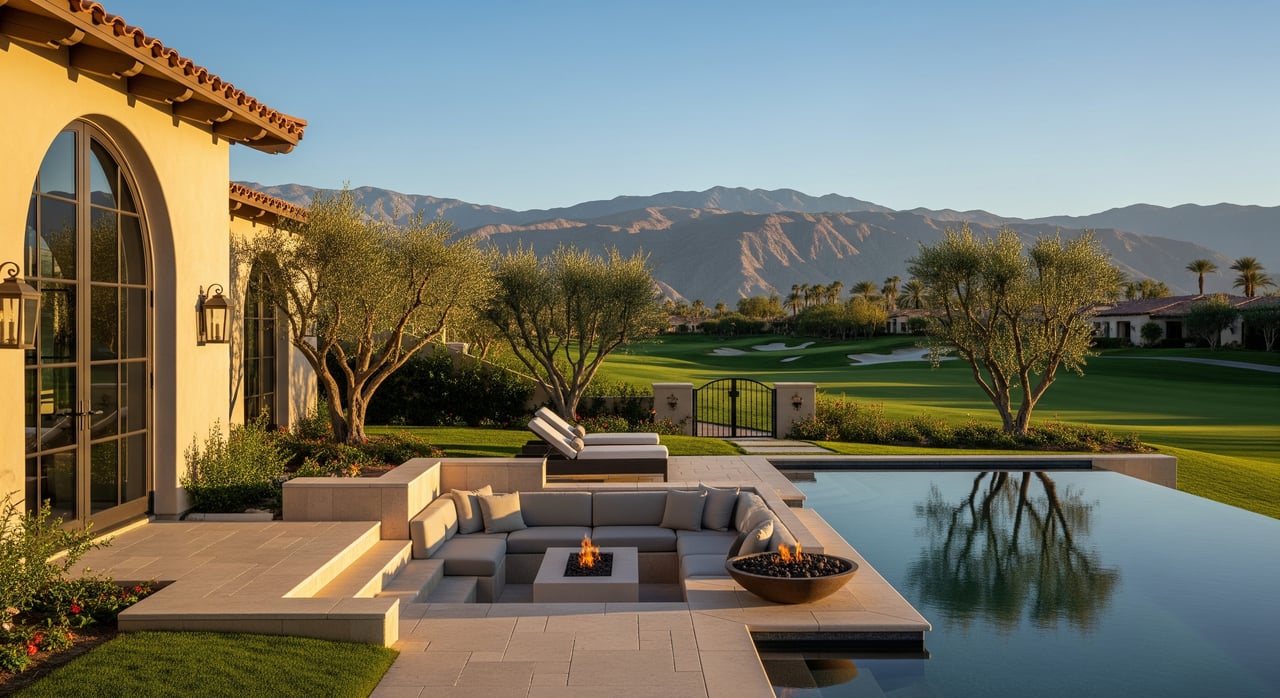
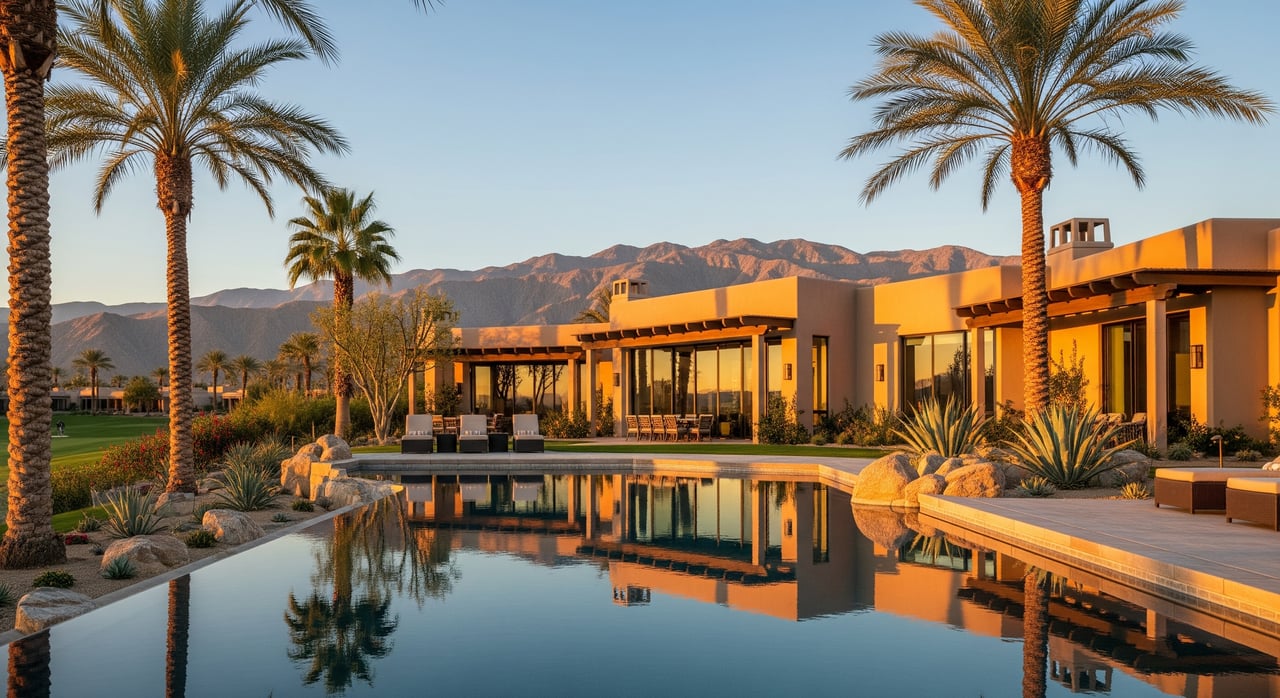
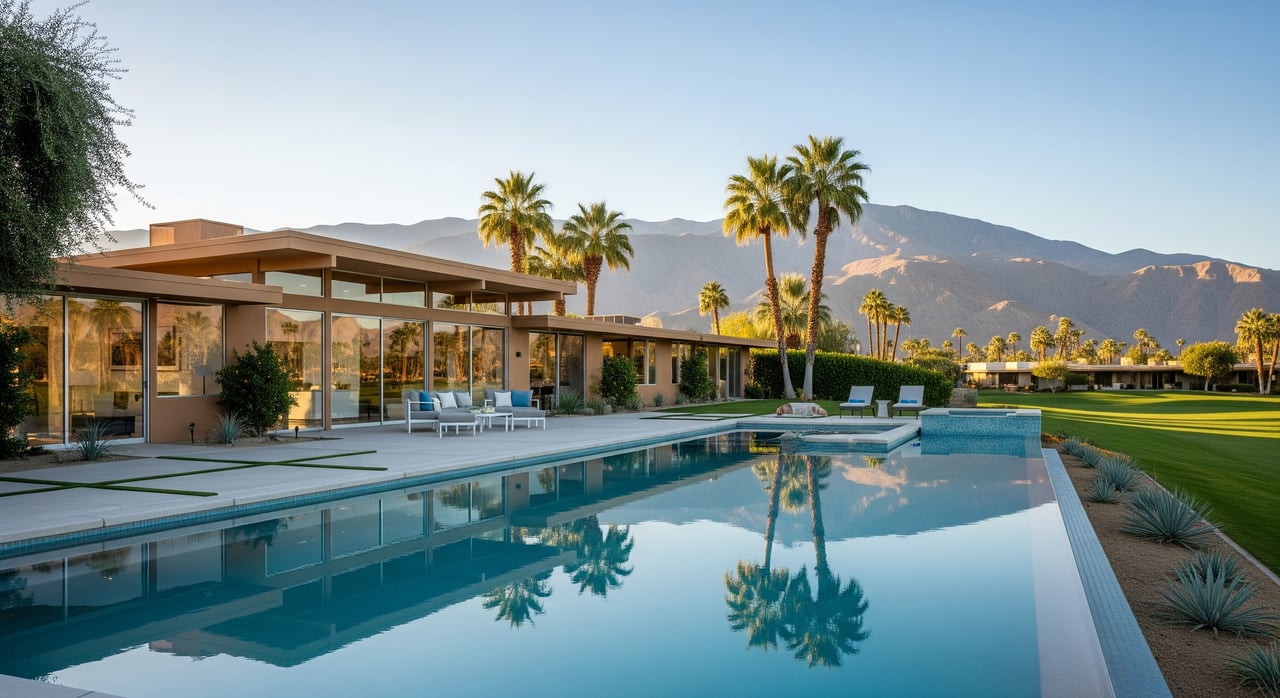
Indian Wells attracts a mix of high-net-worth second-home owners, golfers and club members, retirees and seasonal “lock-and-leave” buyers, plus visitors who return after marquee events. That audience tends to prioritize privacy, convenience, and resort access alongside high design and quality systems.
Features that command attention
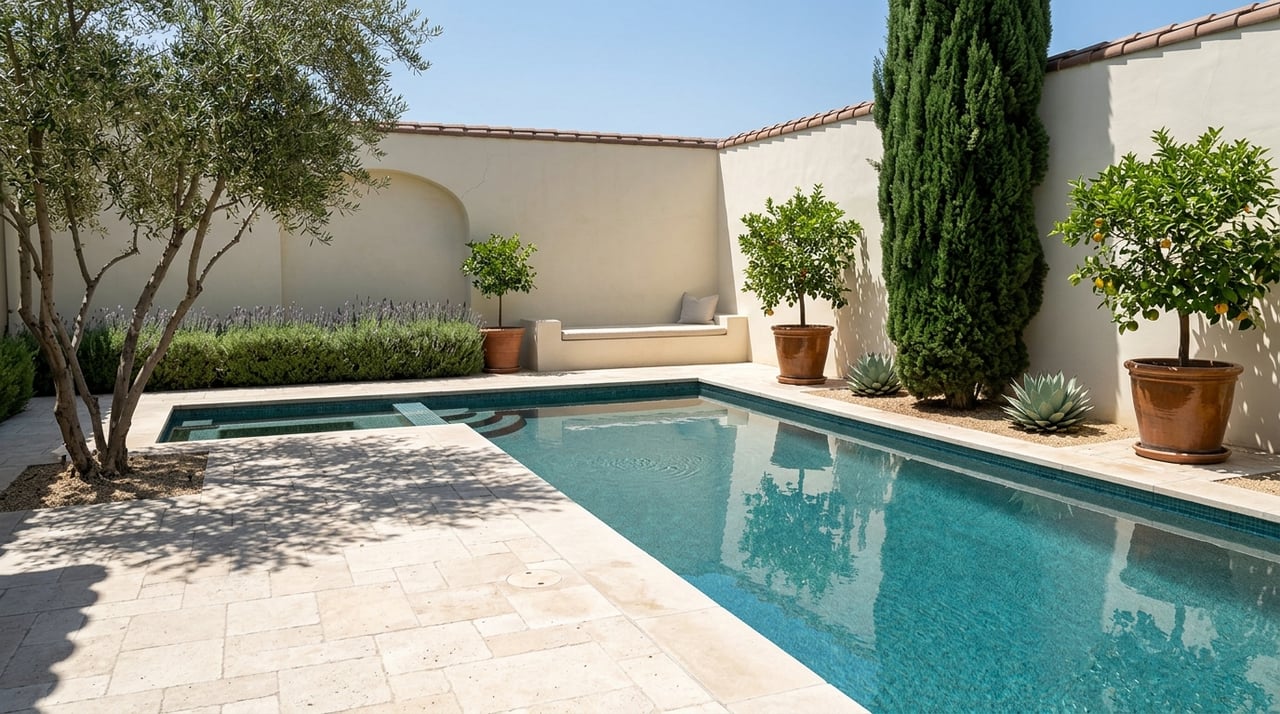
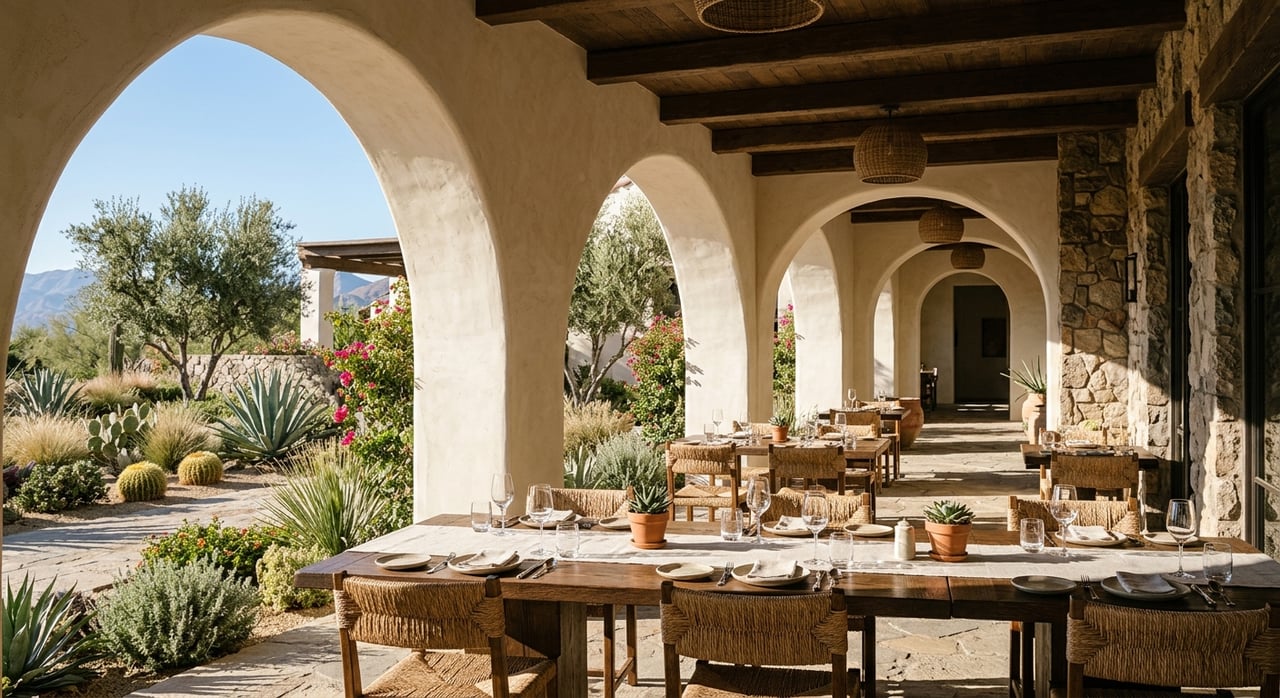
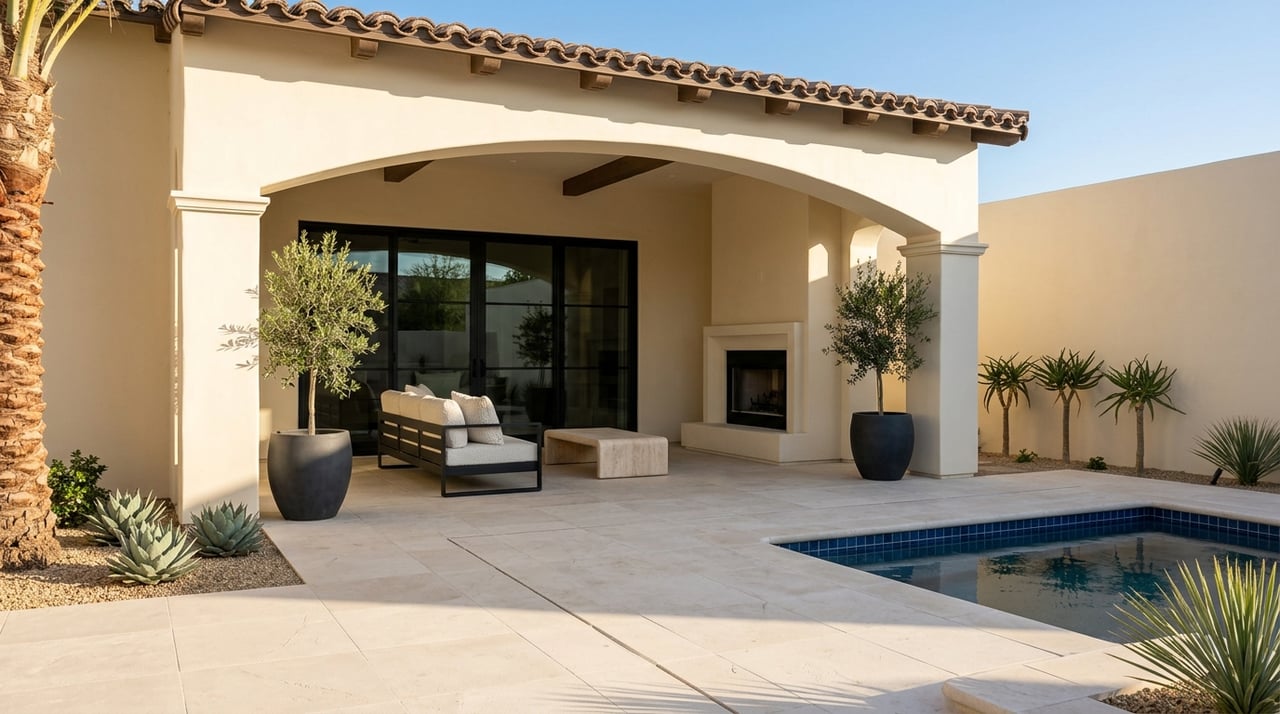
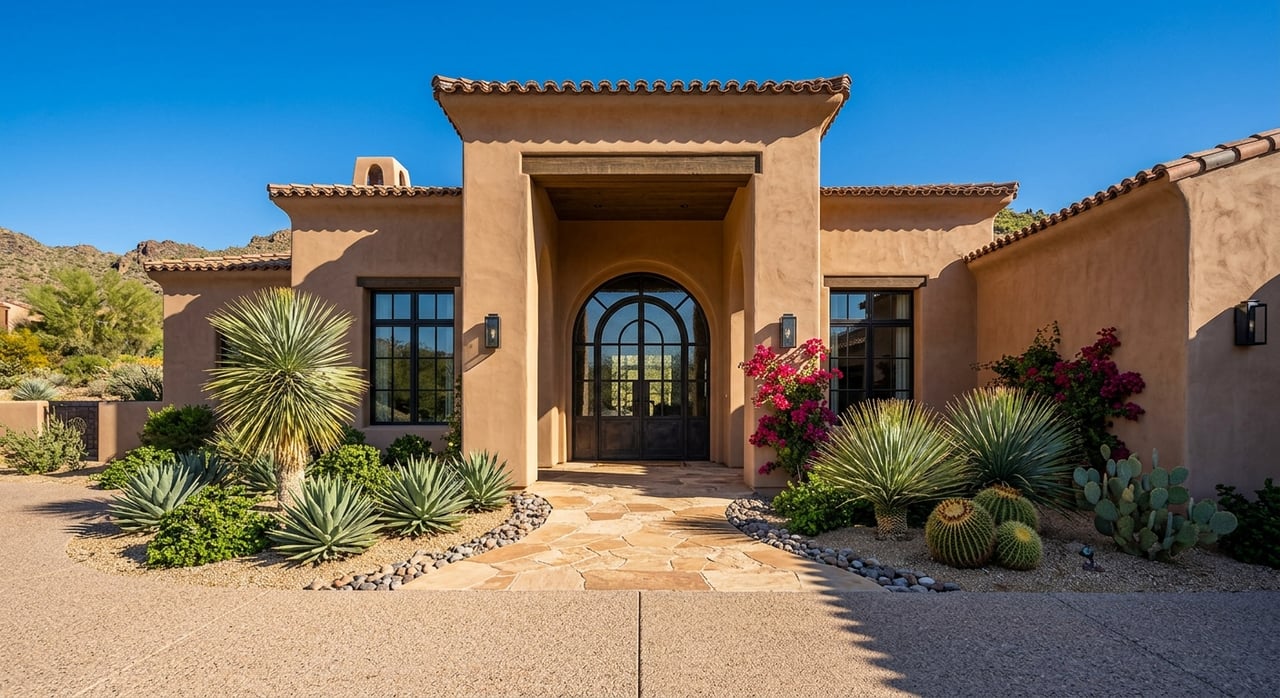
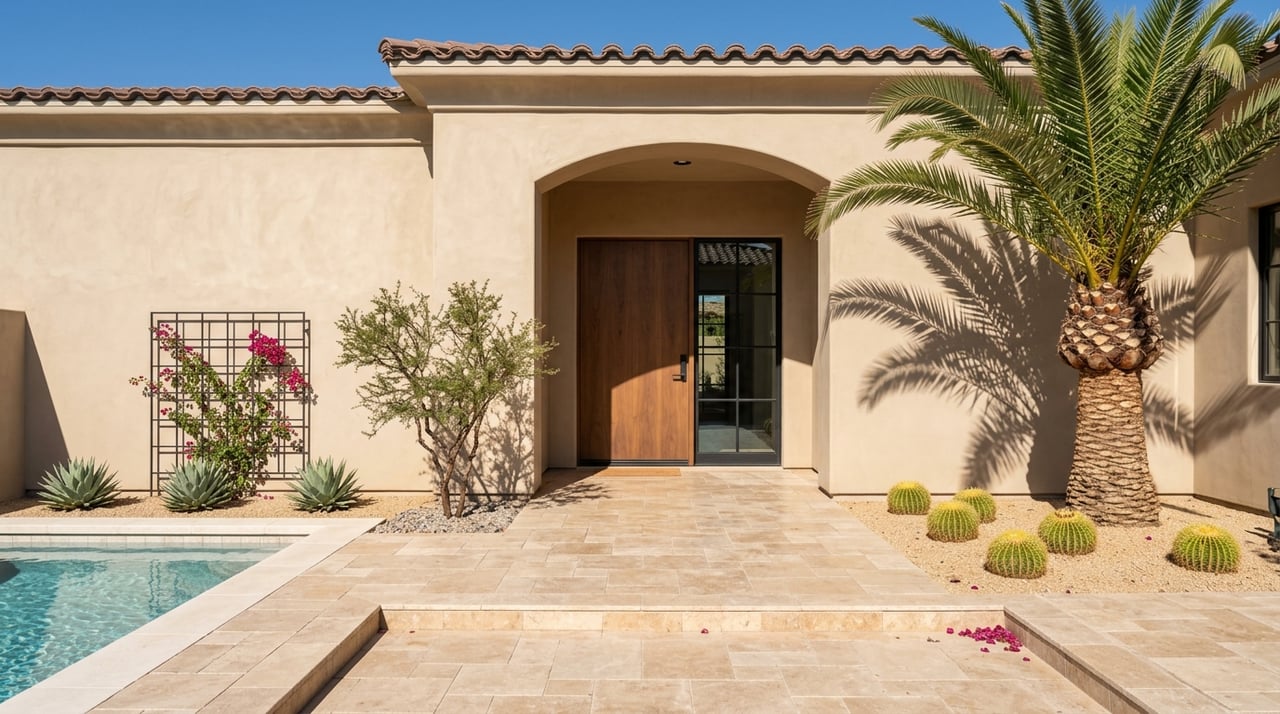
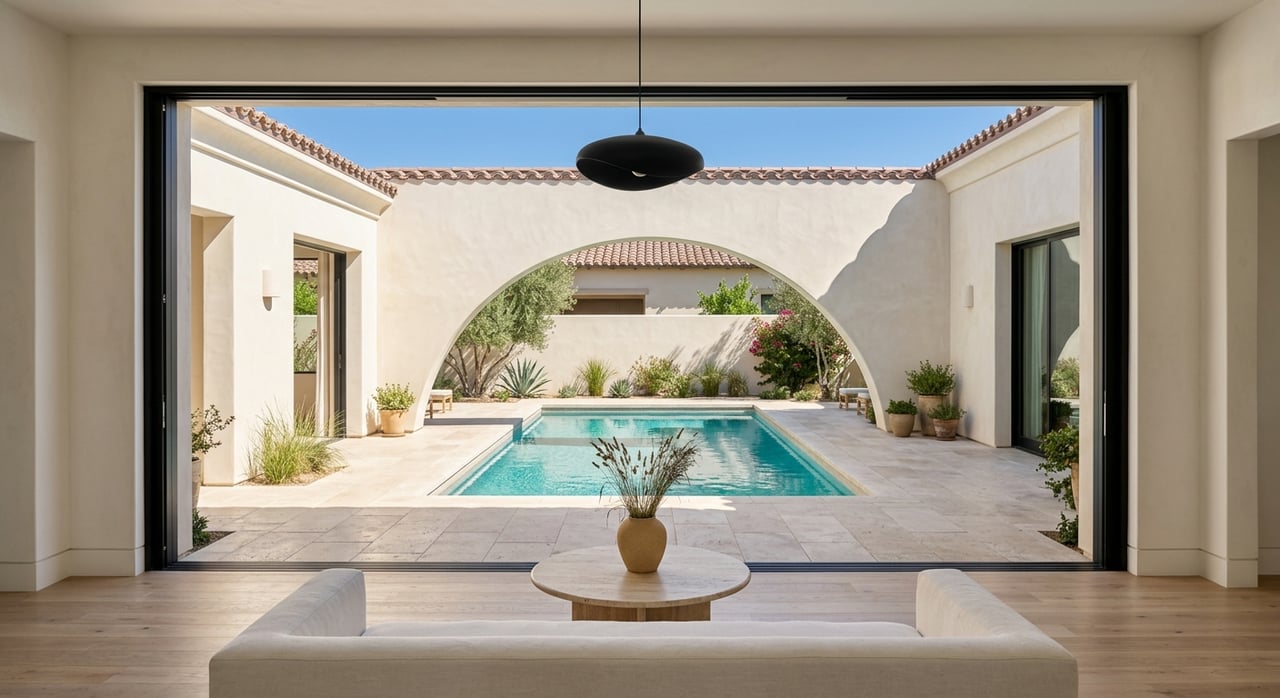
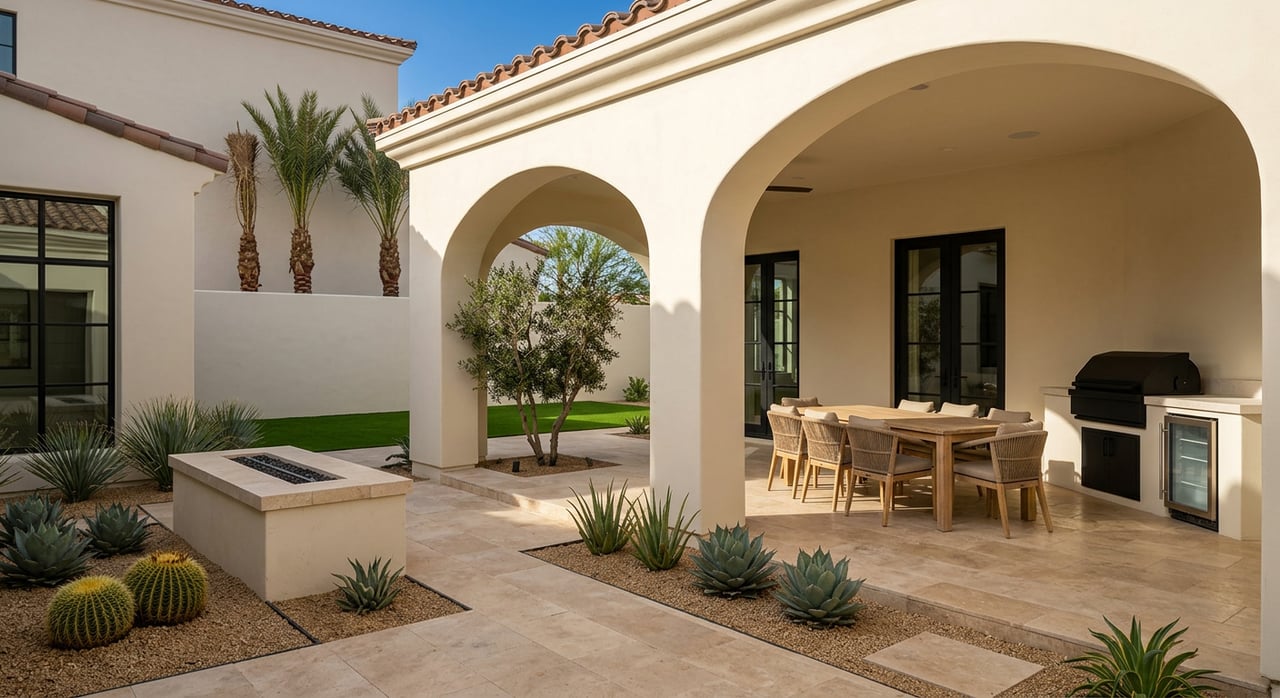
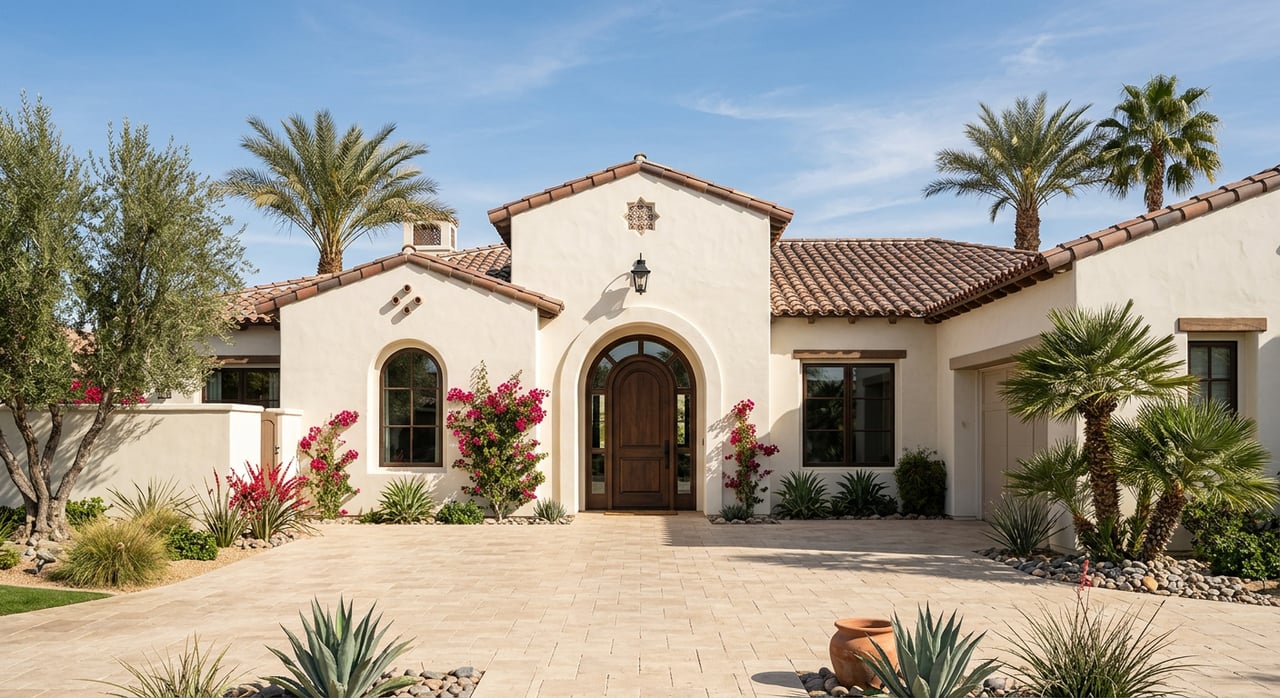
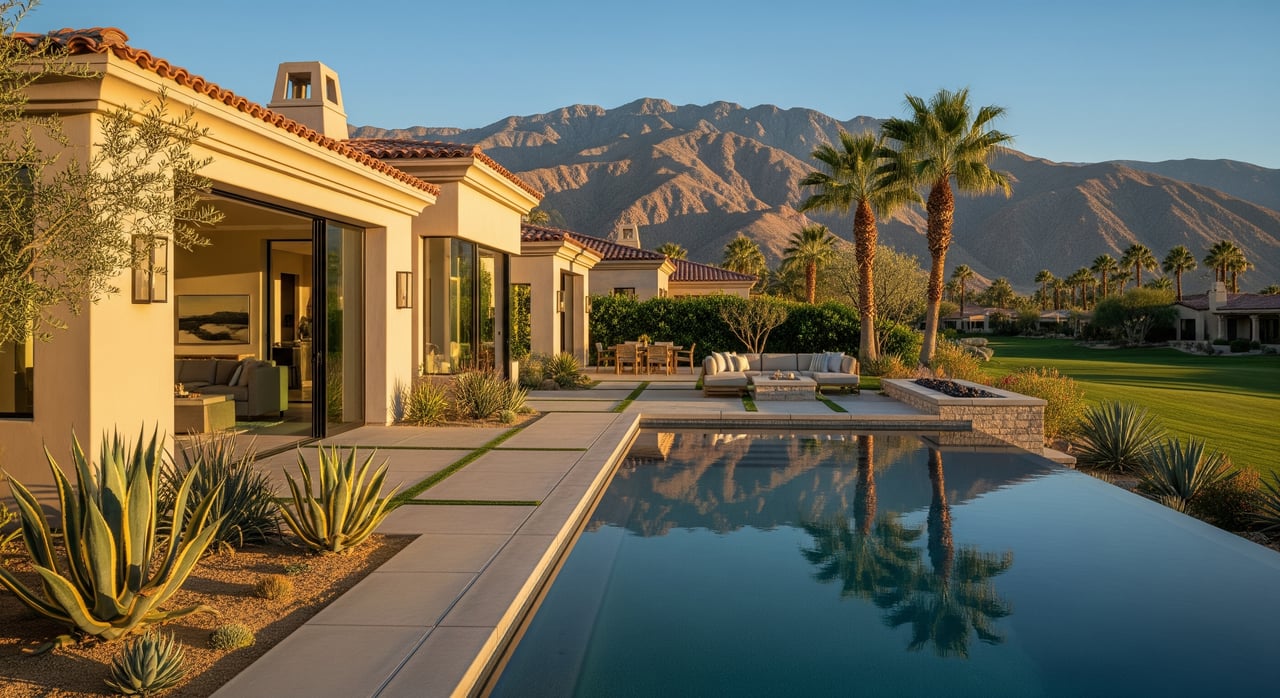
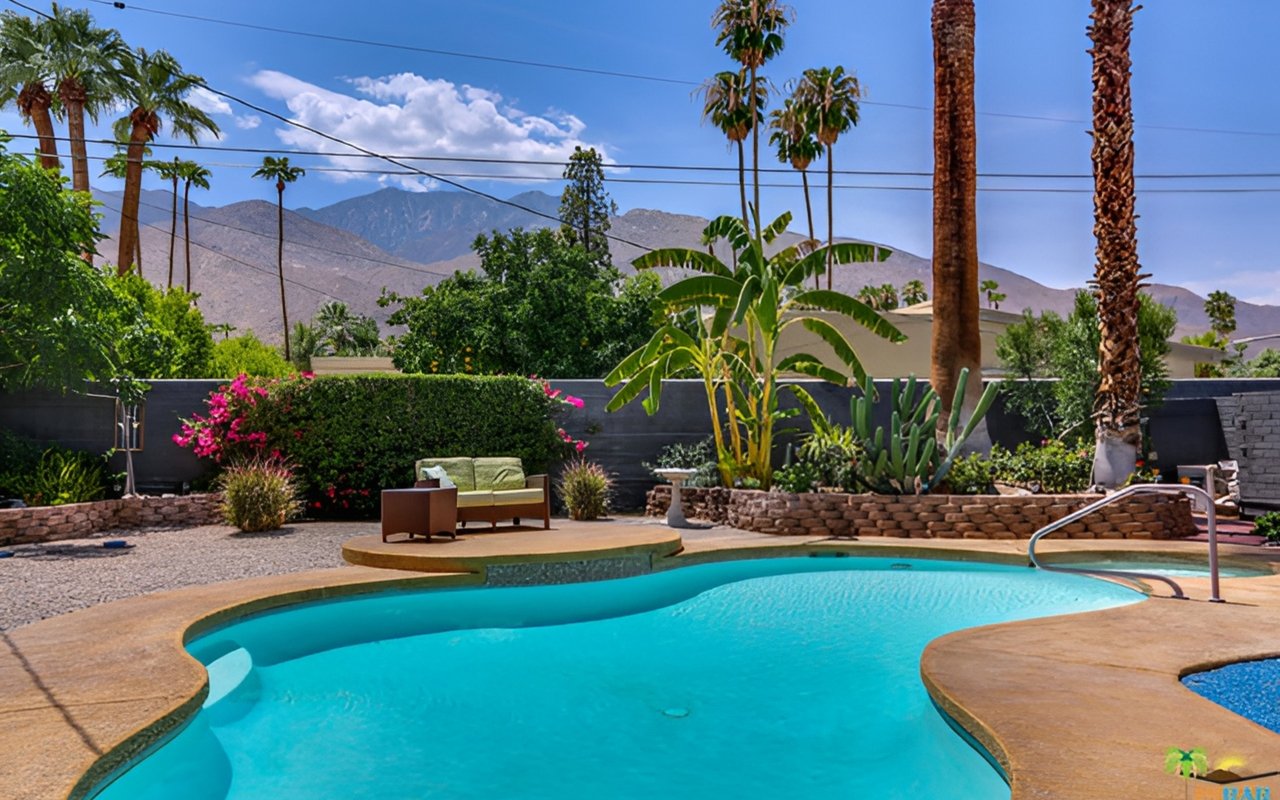
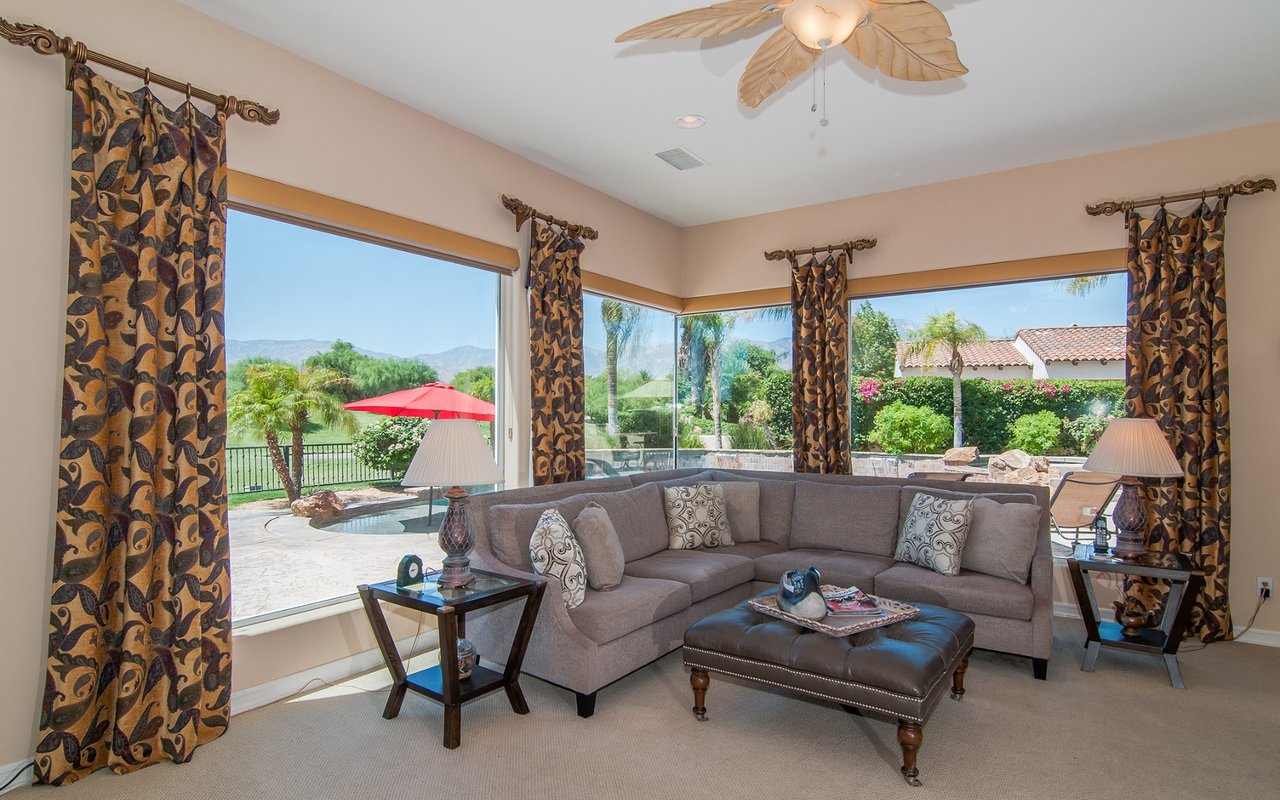
- Seamless outdoor living. Think private pool and spa, shaded lounging, outdoor kitchen, and low-maintenance desert landscaping.
- Turnkey systems. Well-serviced HVAC, pool equipment, and smart security help buyers feel ready to enjoy day one.
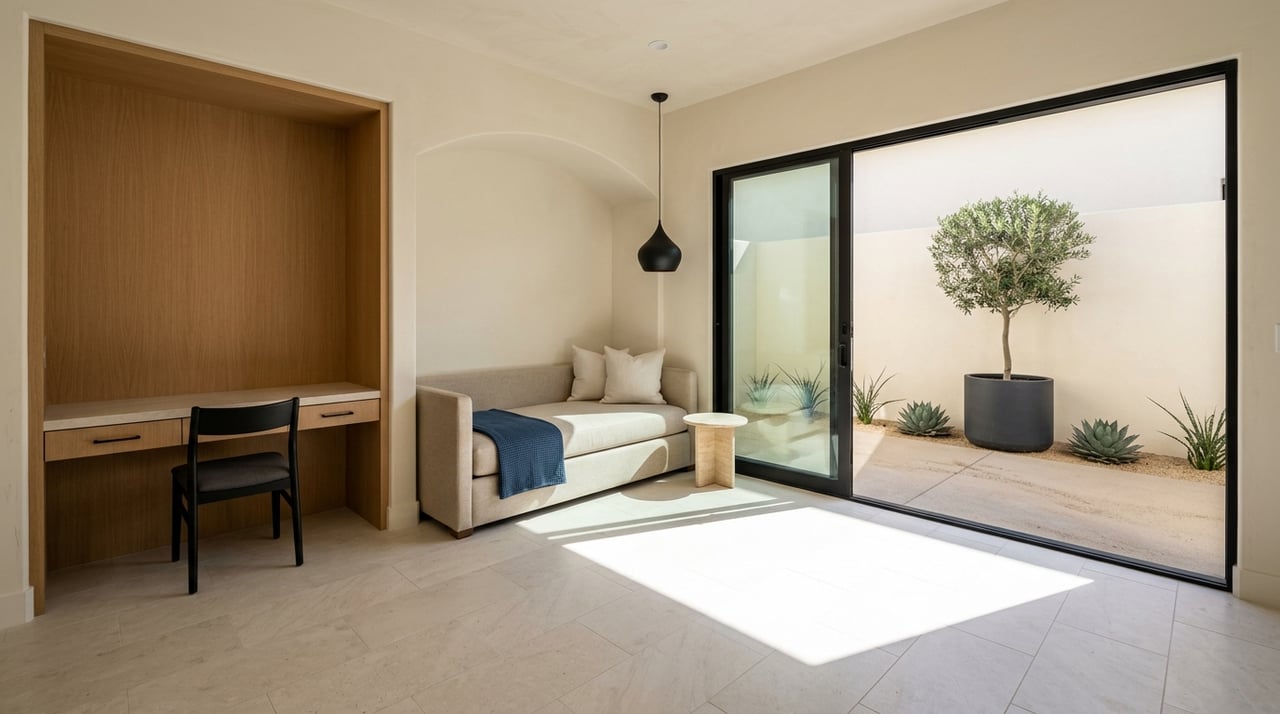
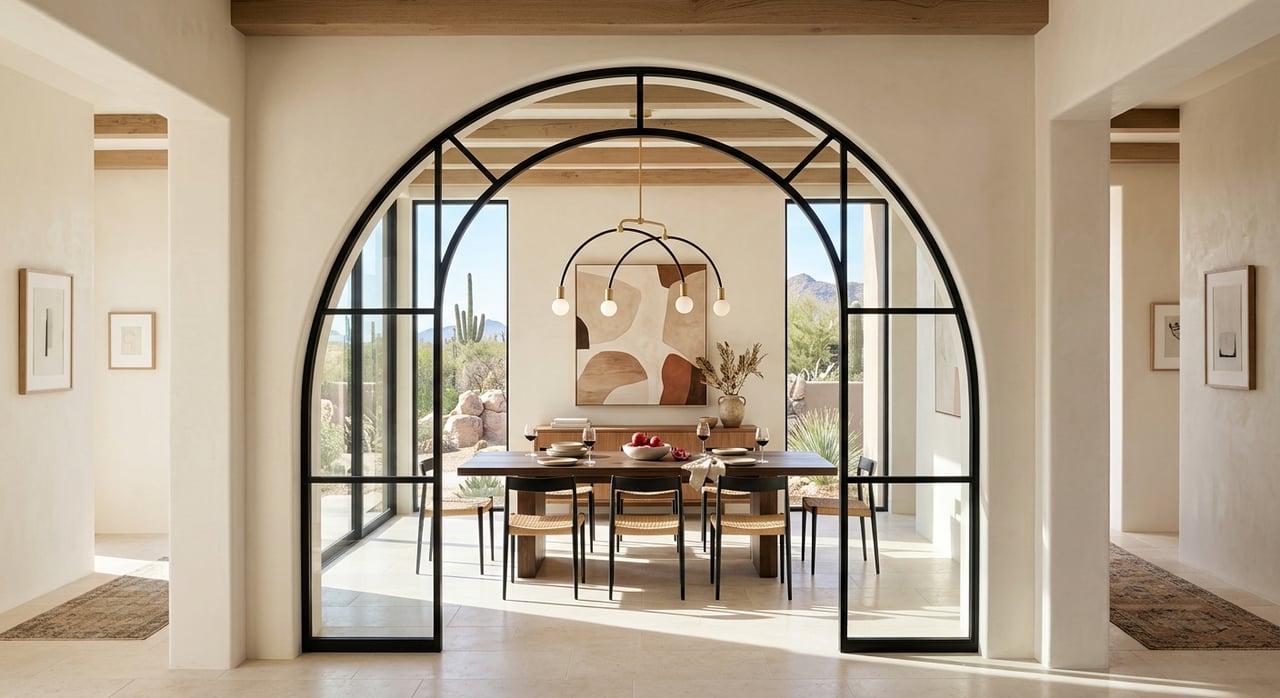
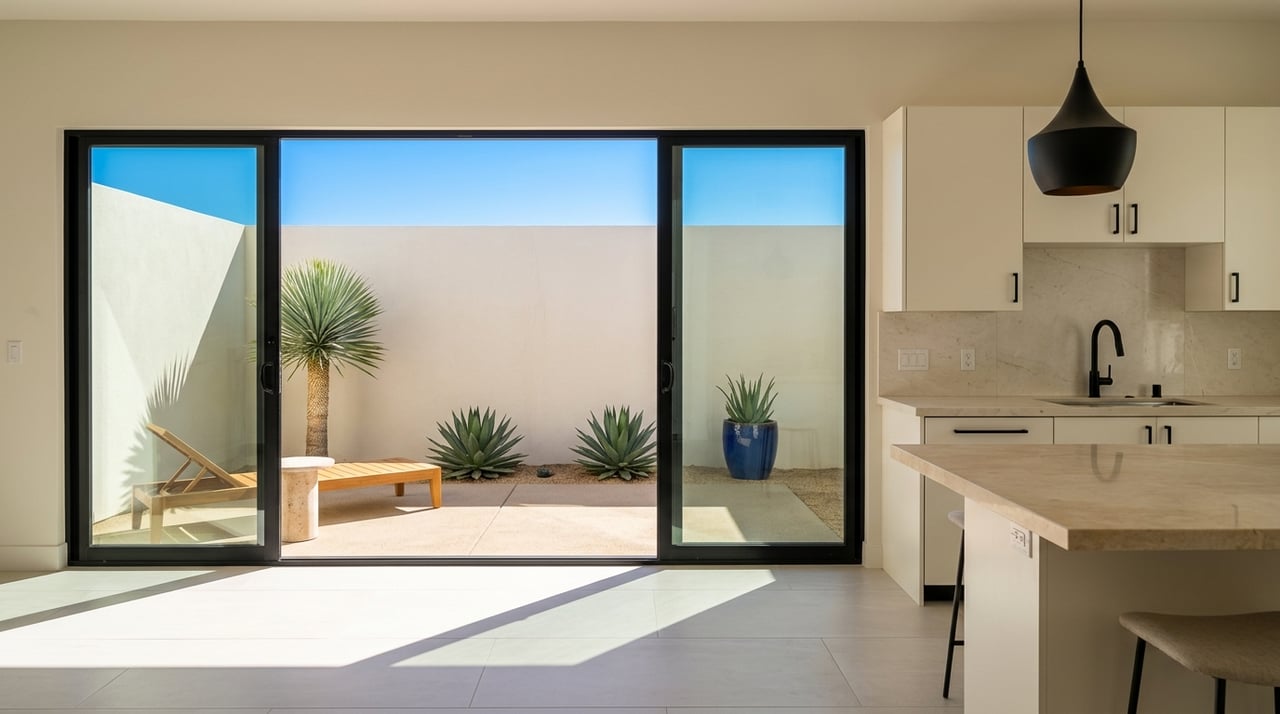
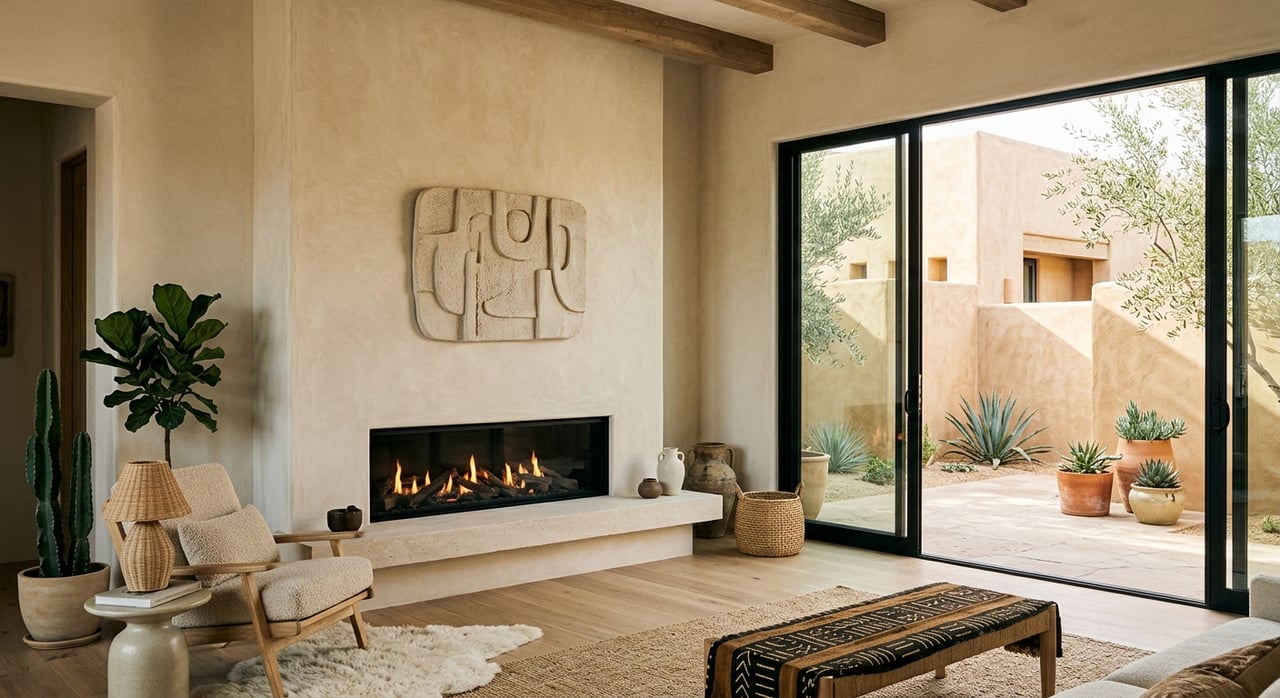
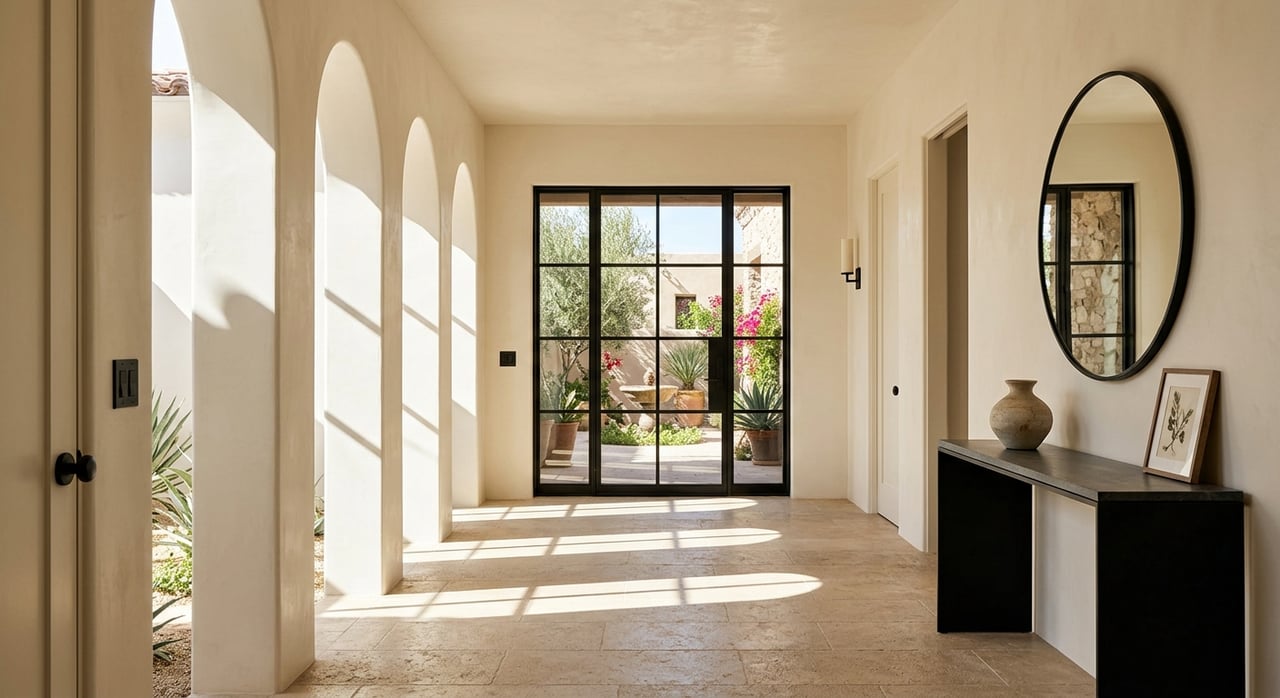
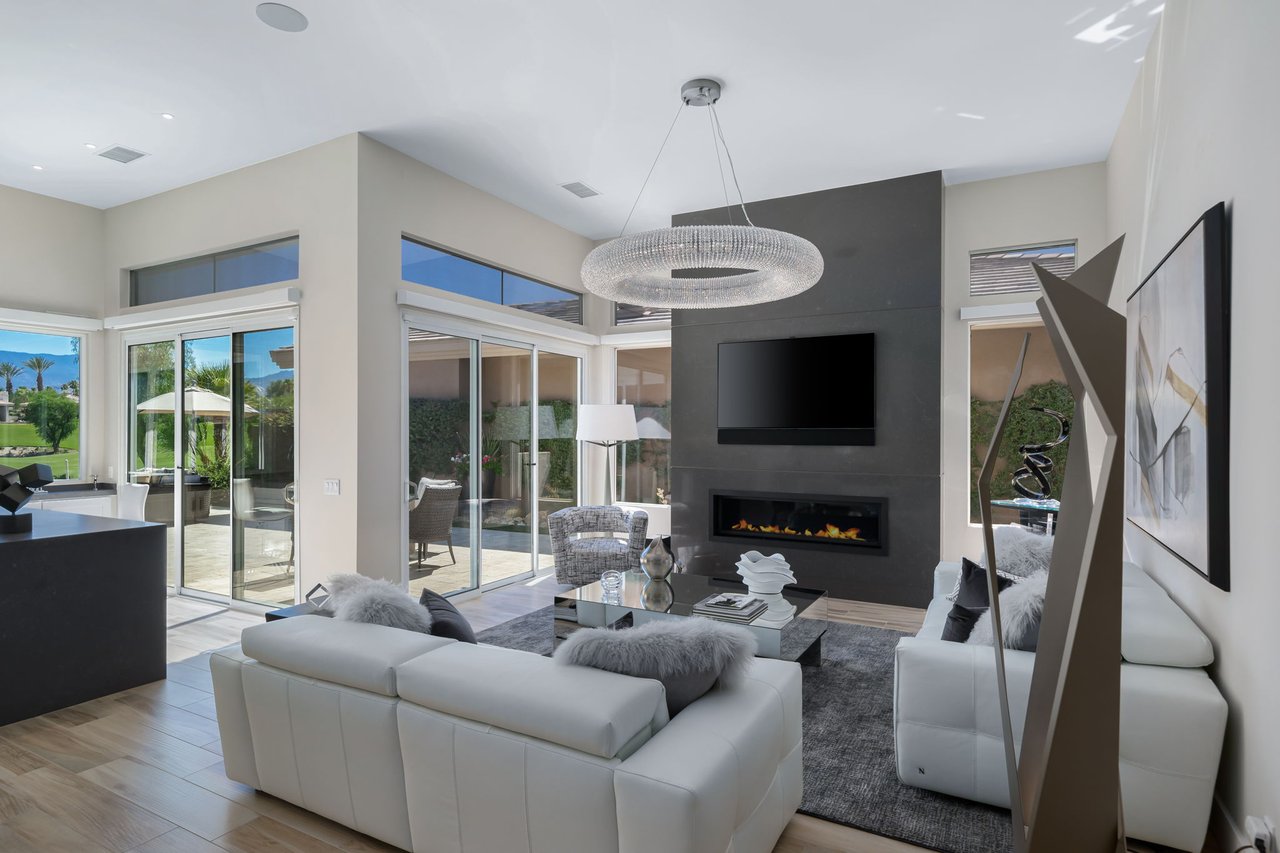
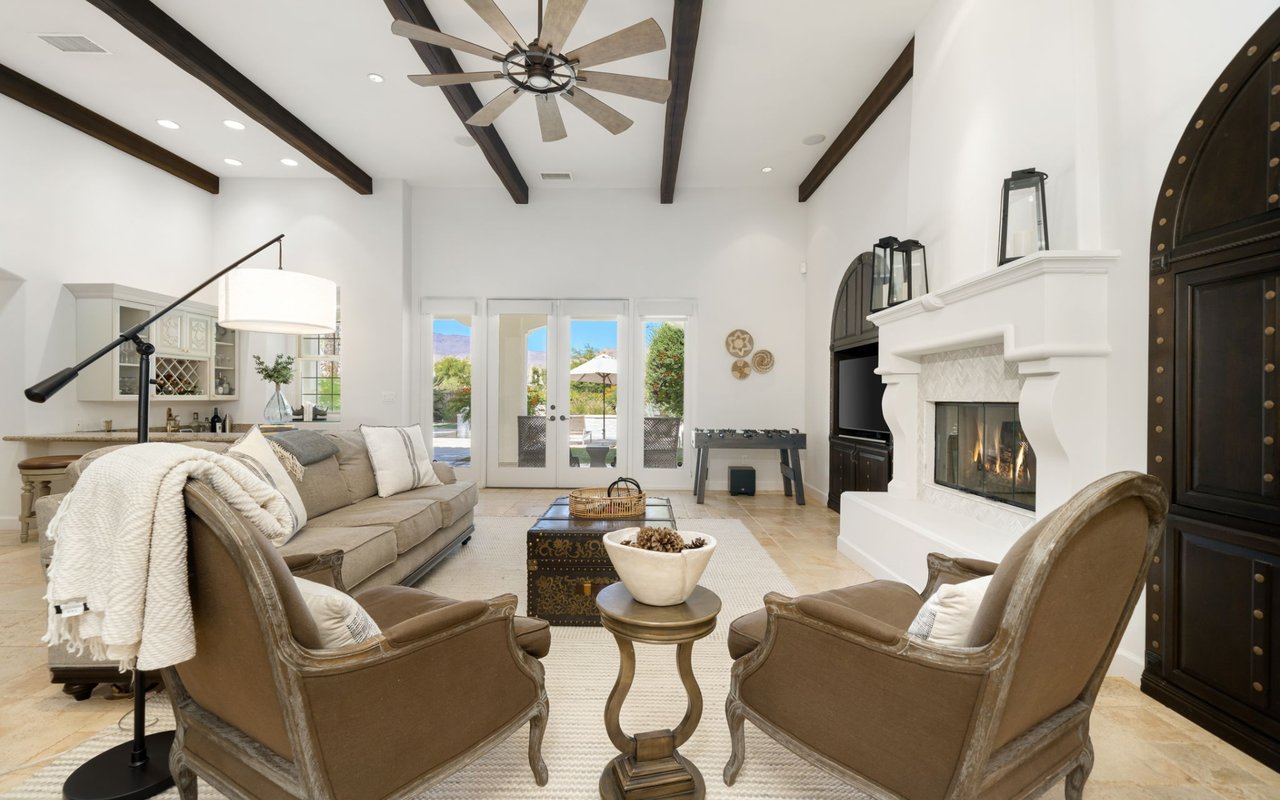
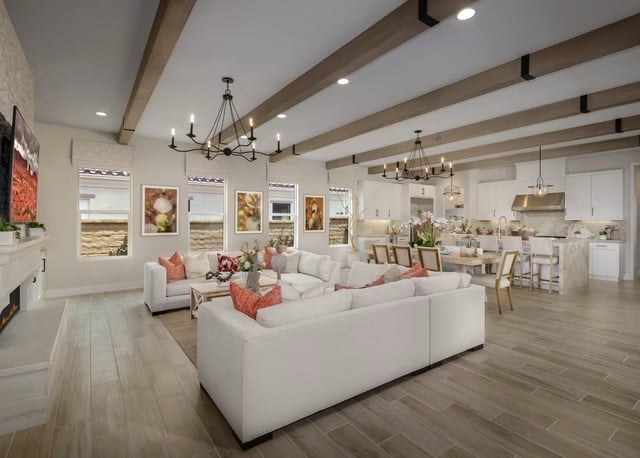
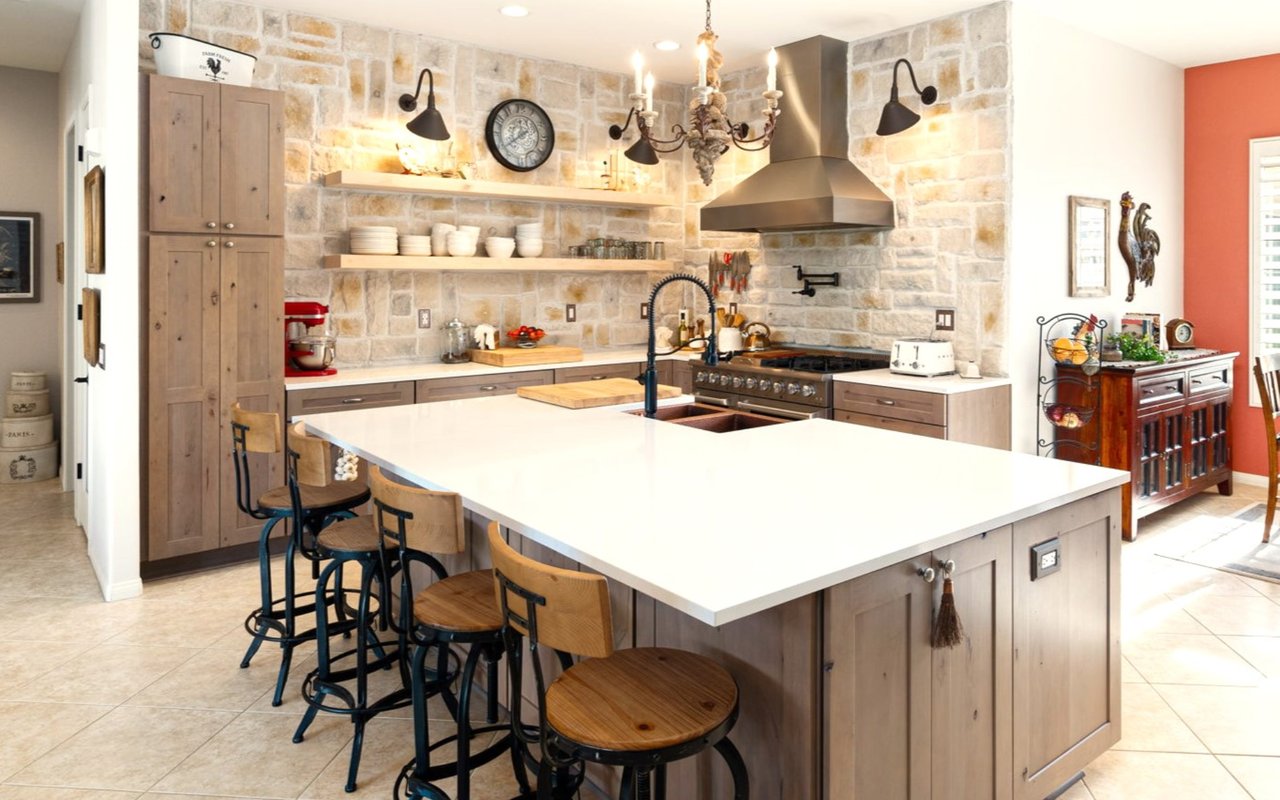
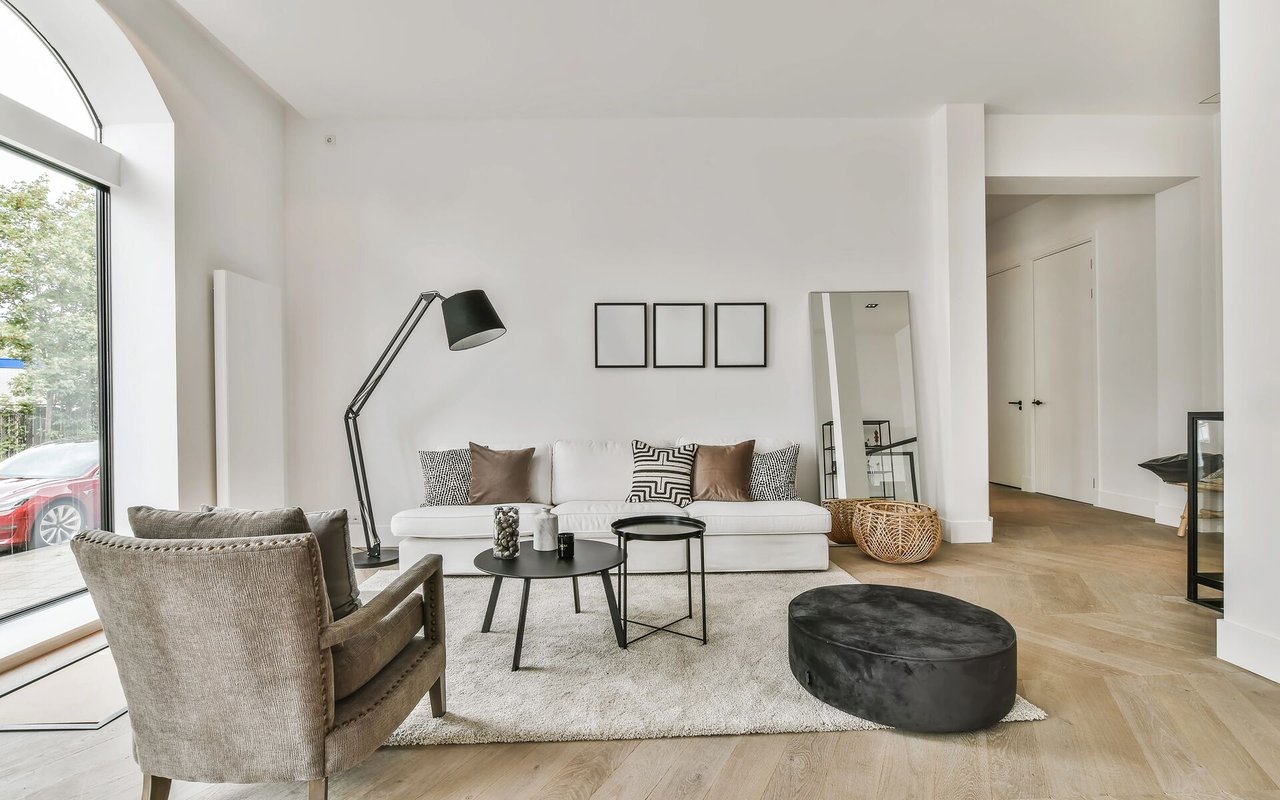
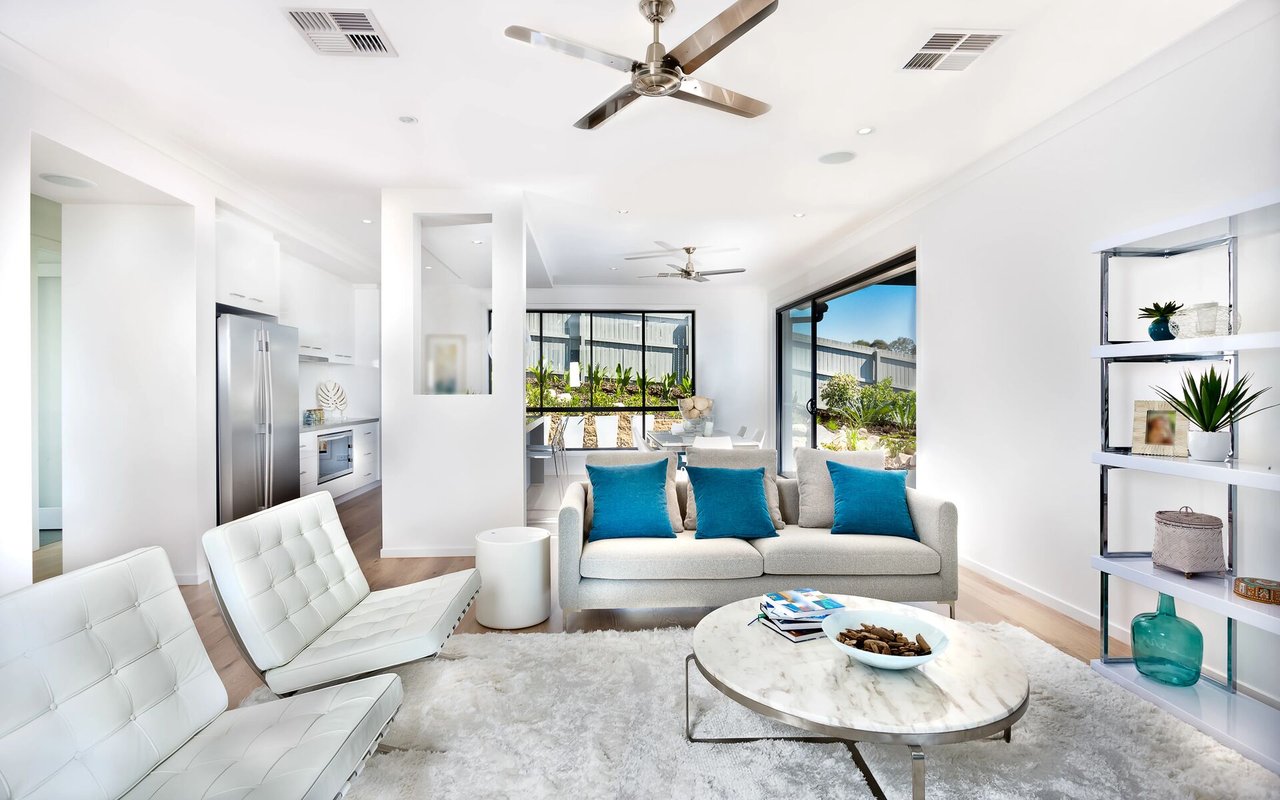
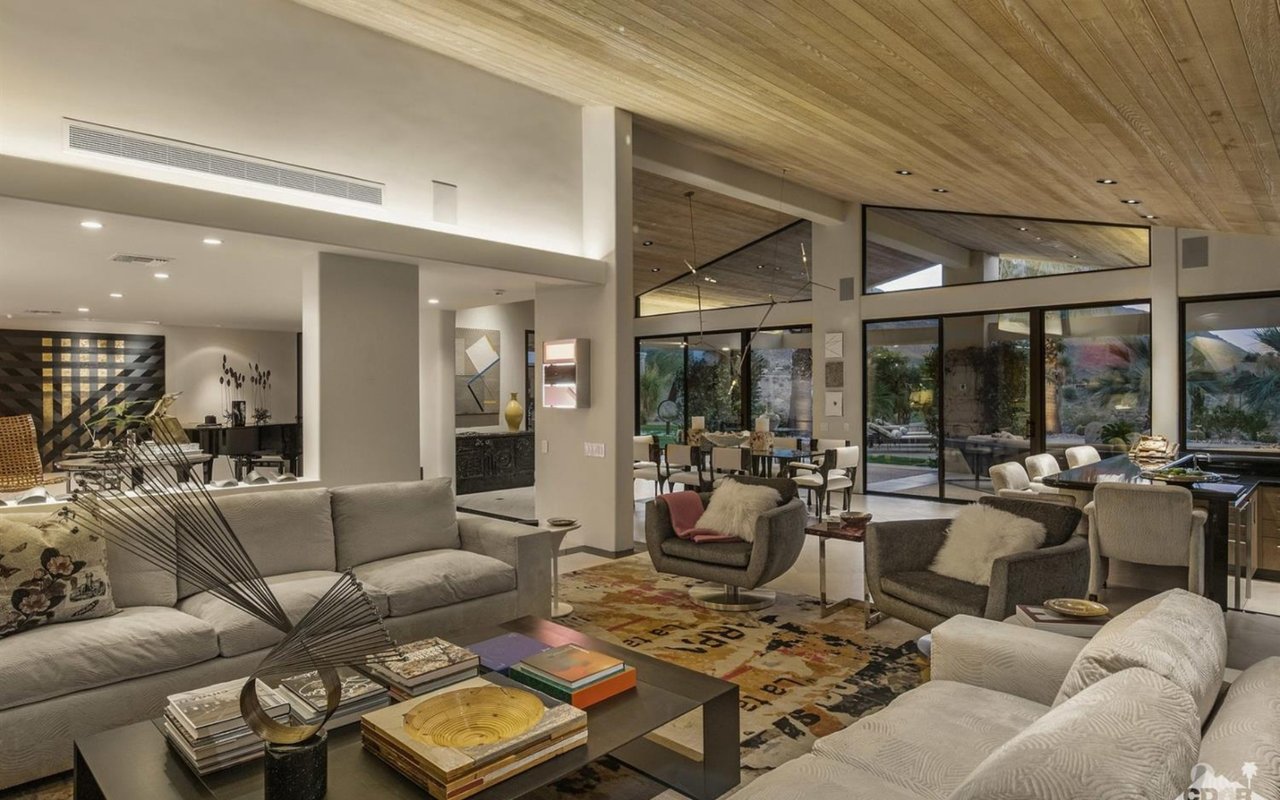
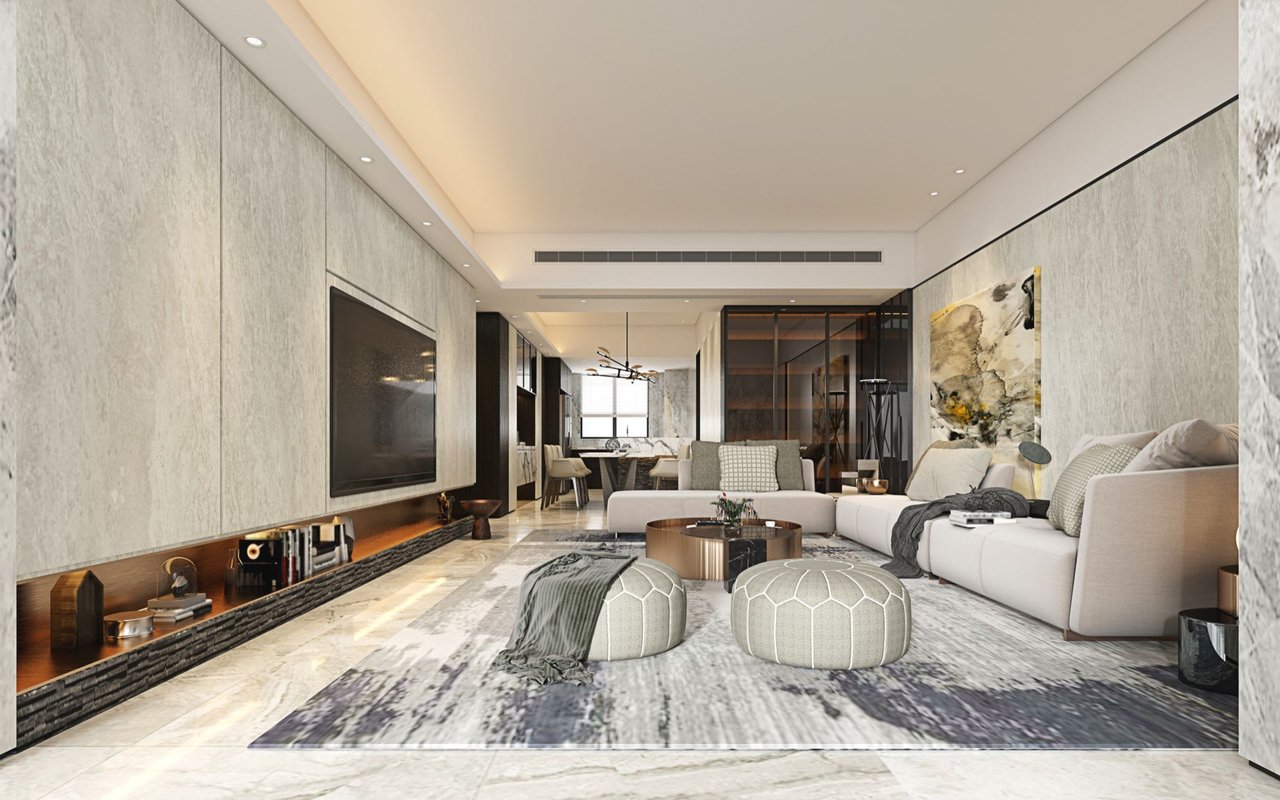
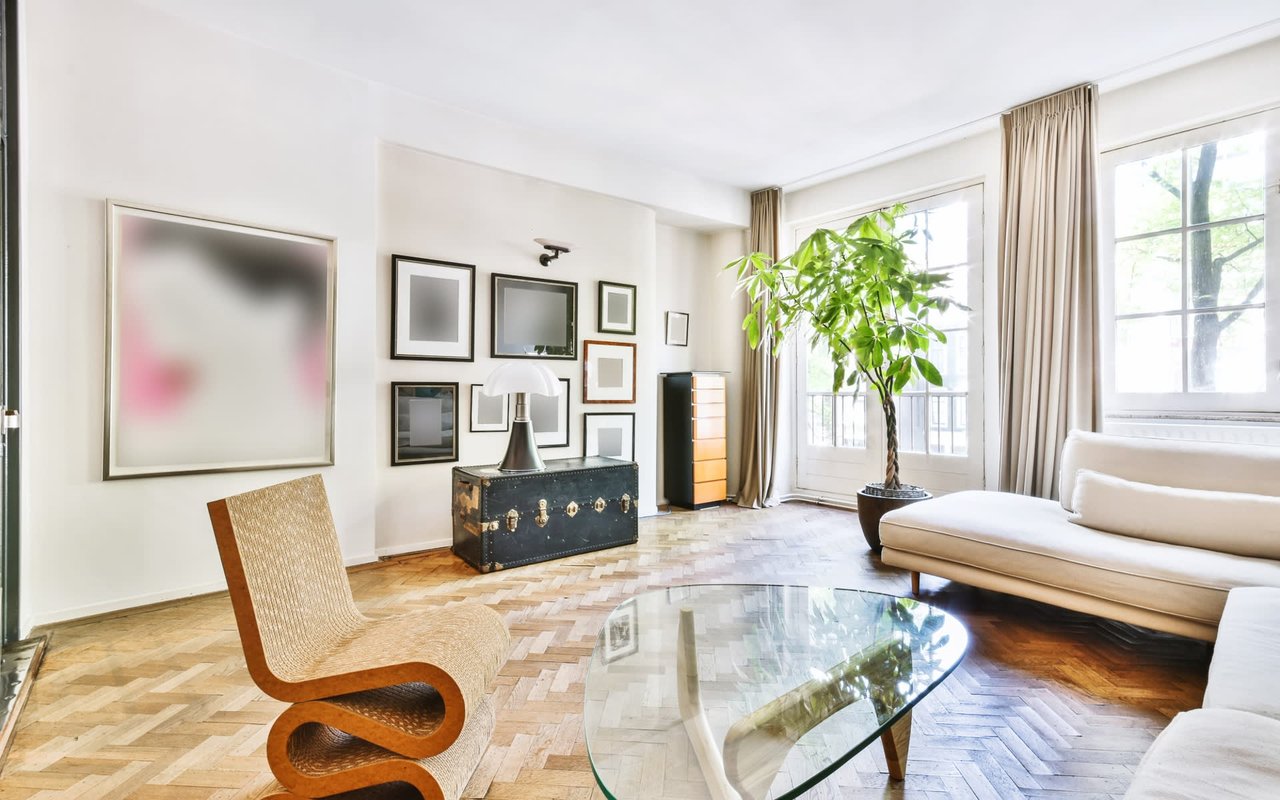
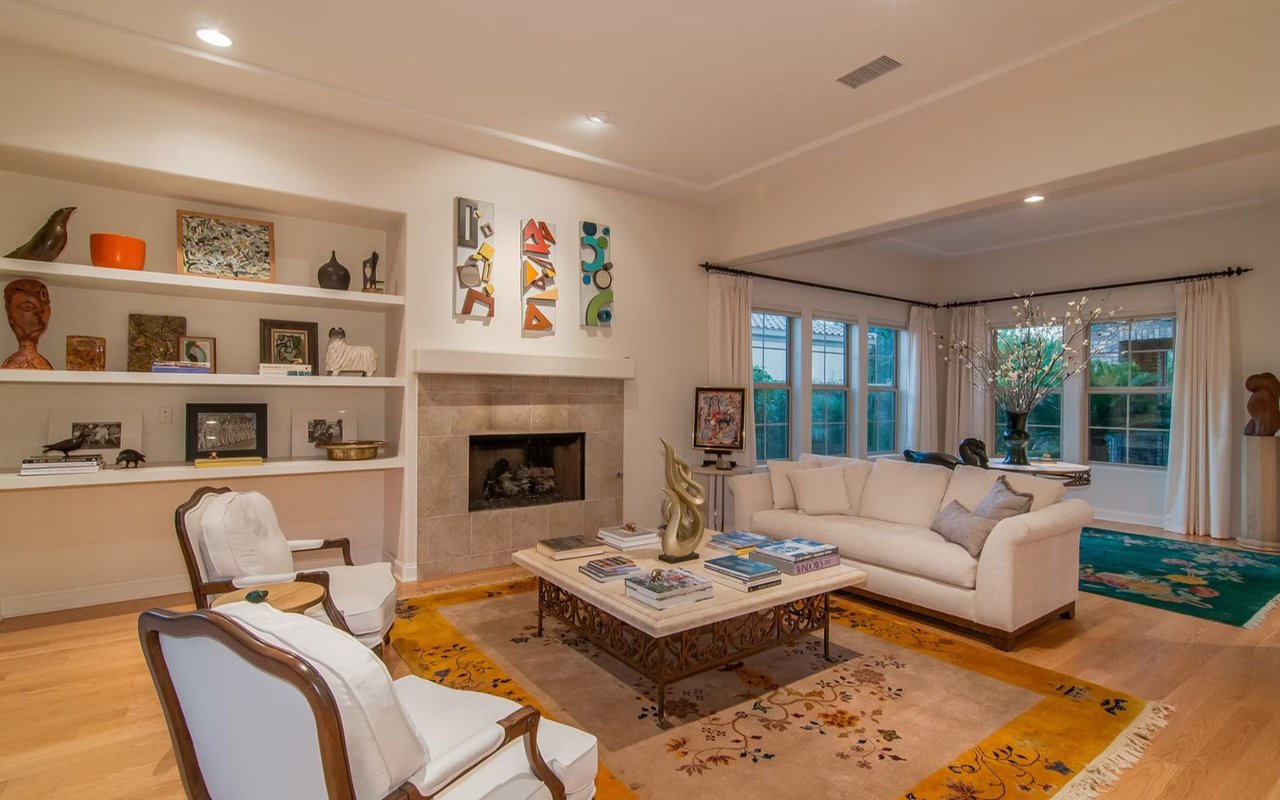
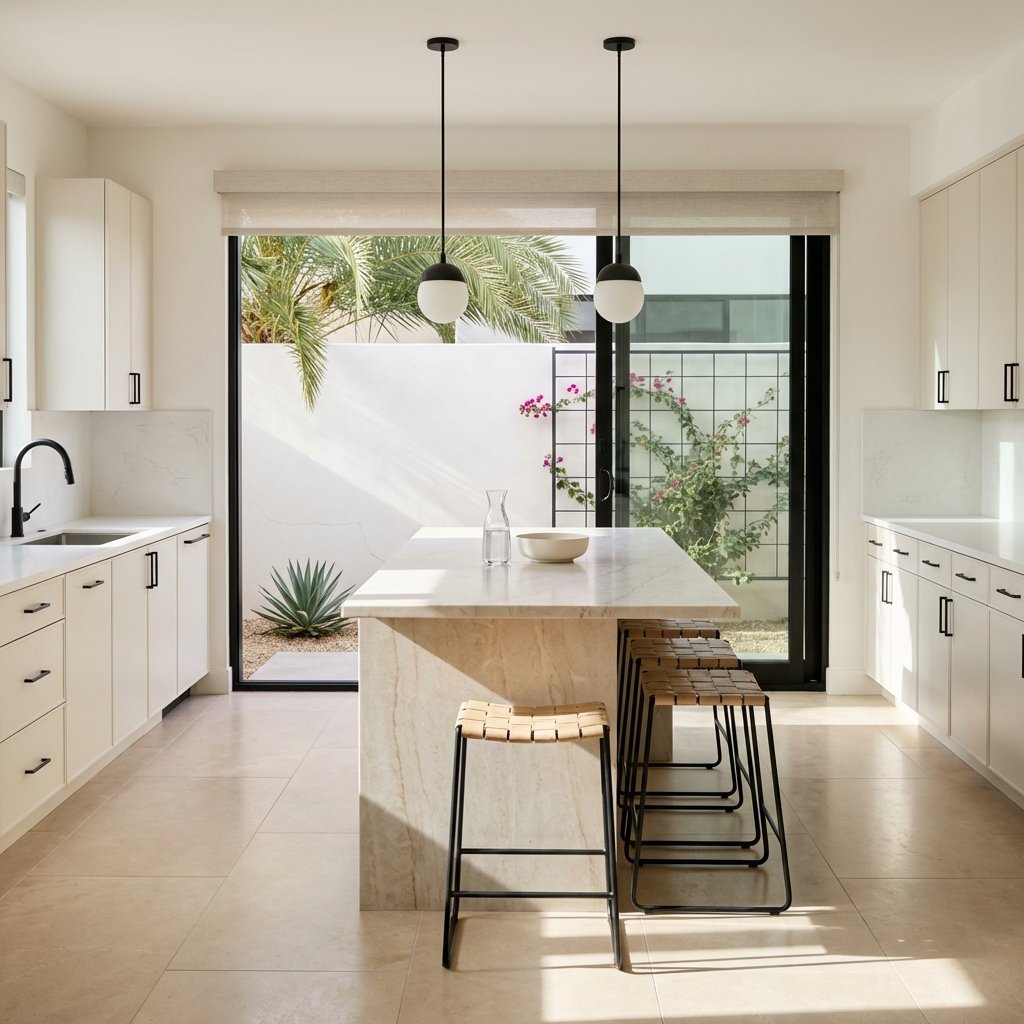
- Neutral, elevated finishes. Calm, light interiors and tasteful updates invite broad appeal and easy visualization.
- Club and golf access. Membership type, transferability, and guest privileges influence value for golf‑community buyers. Gather those details early so you can present them clearly.
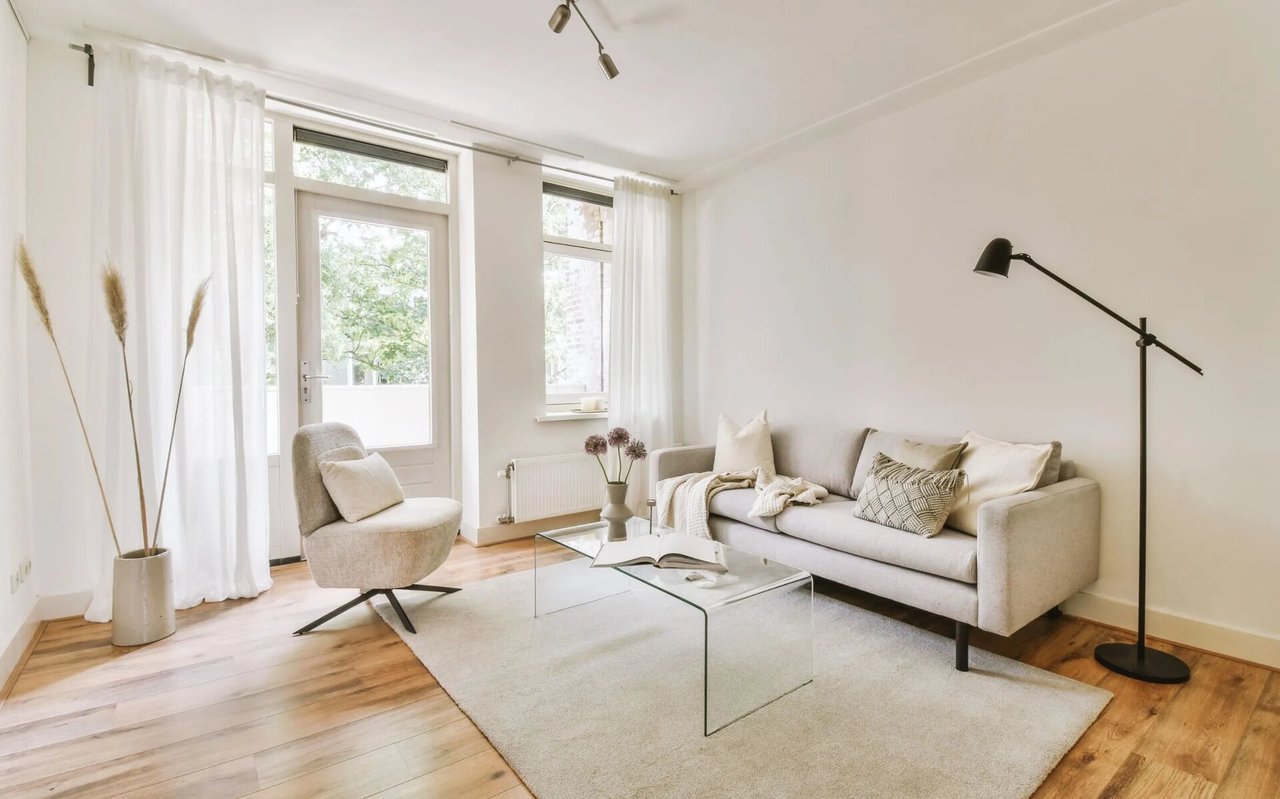
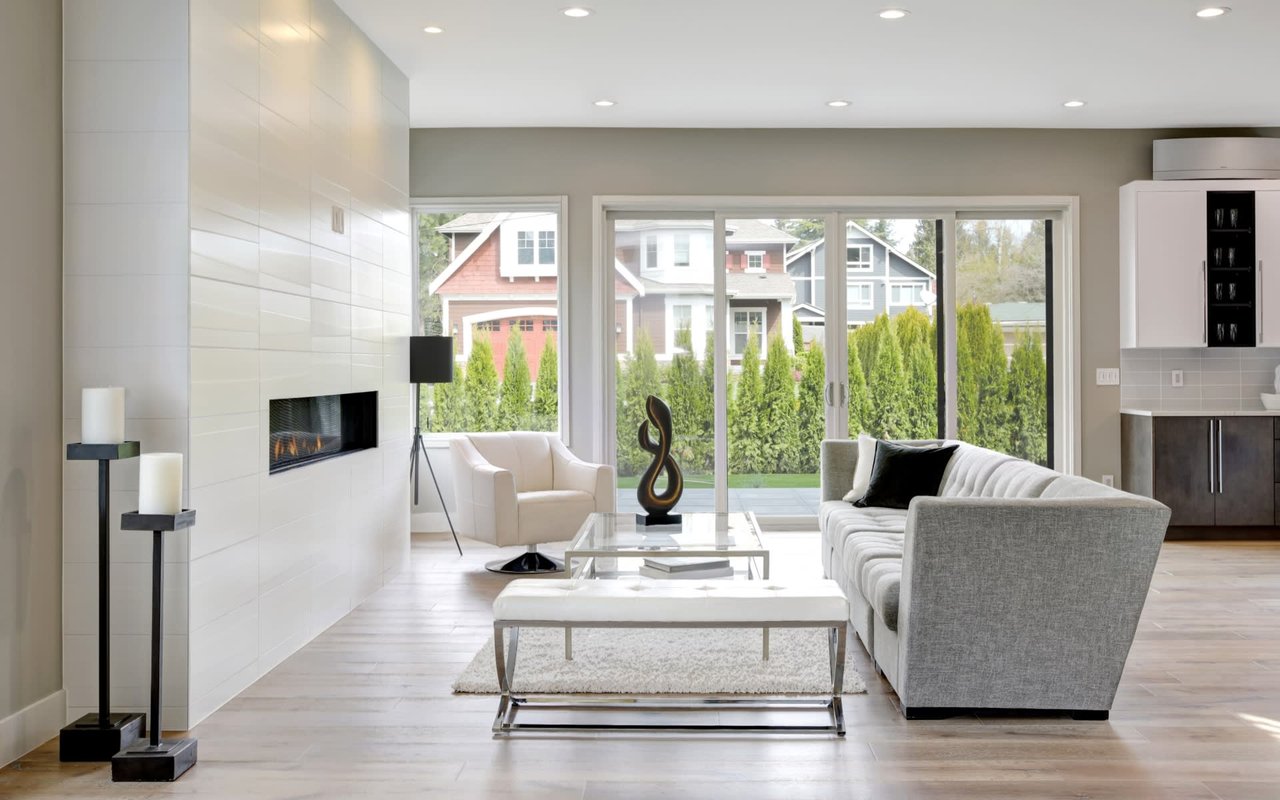
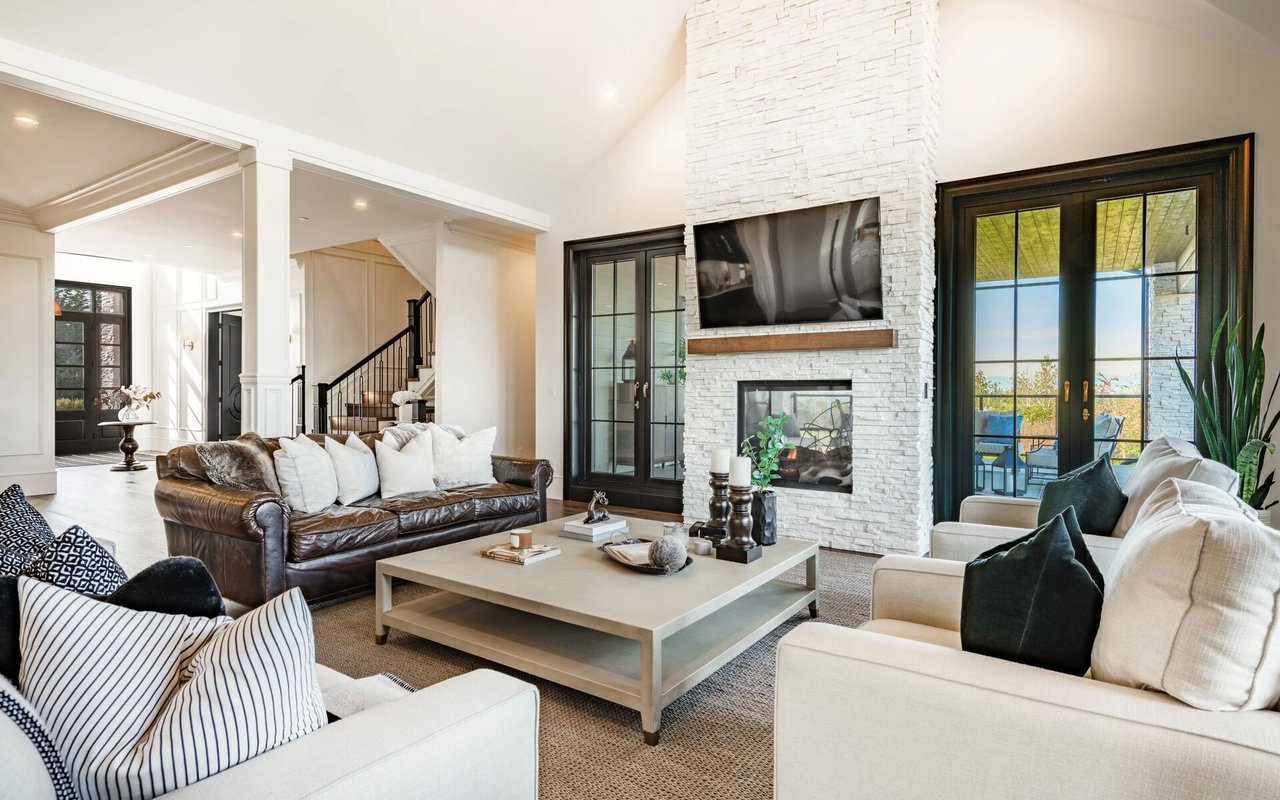
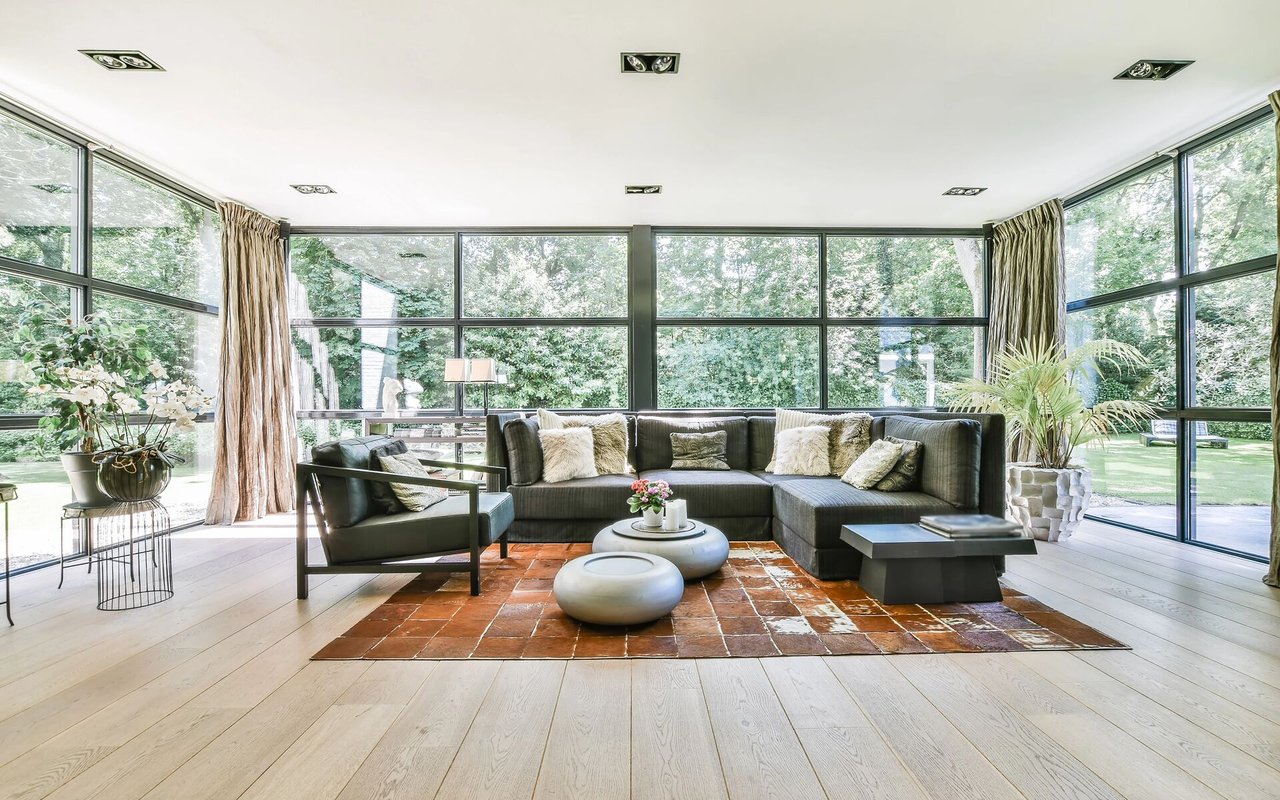
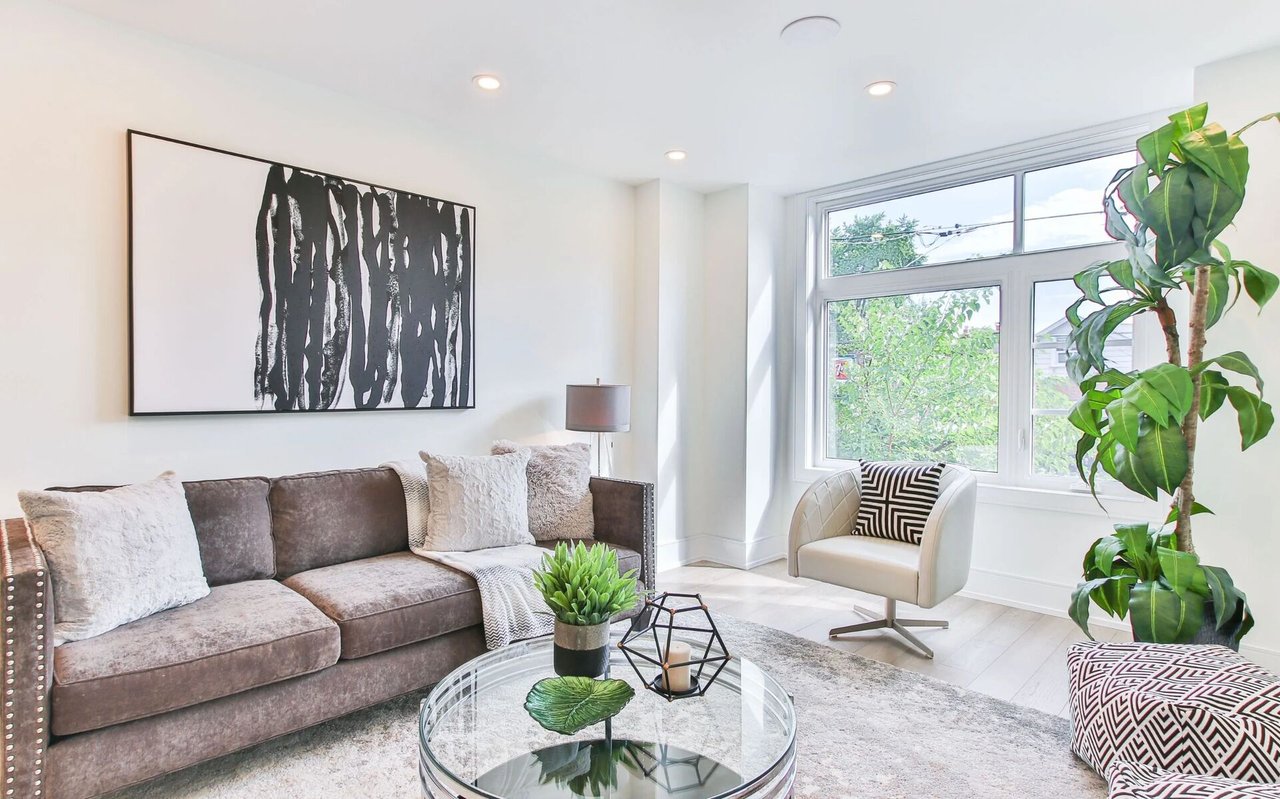
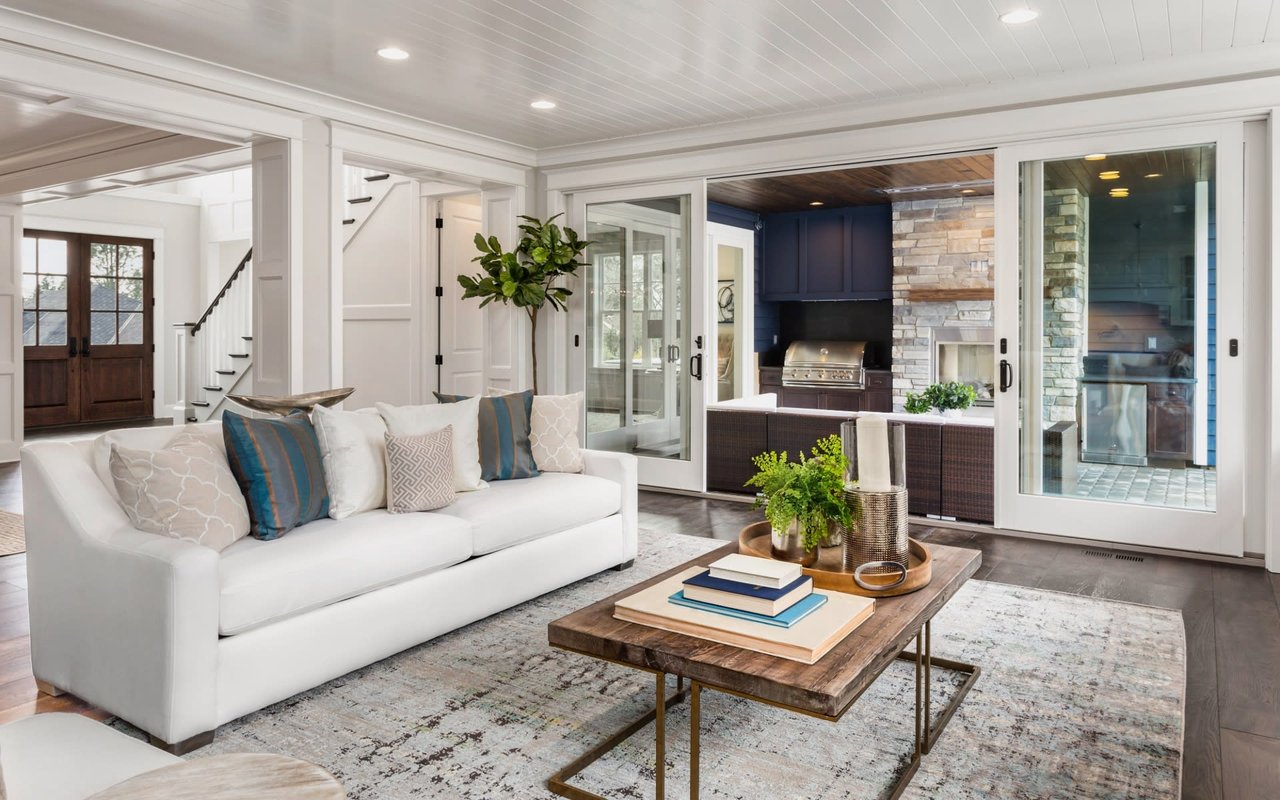
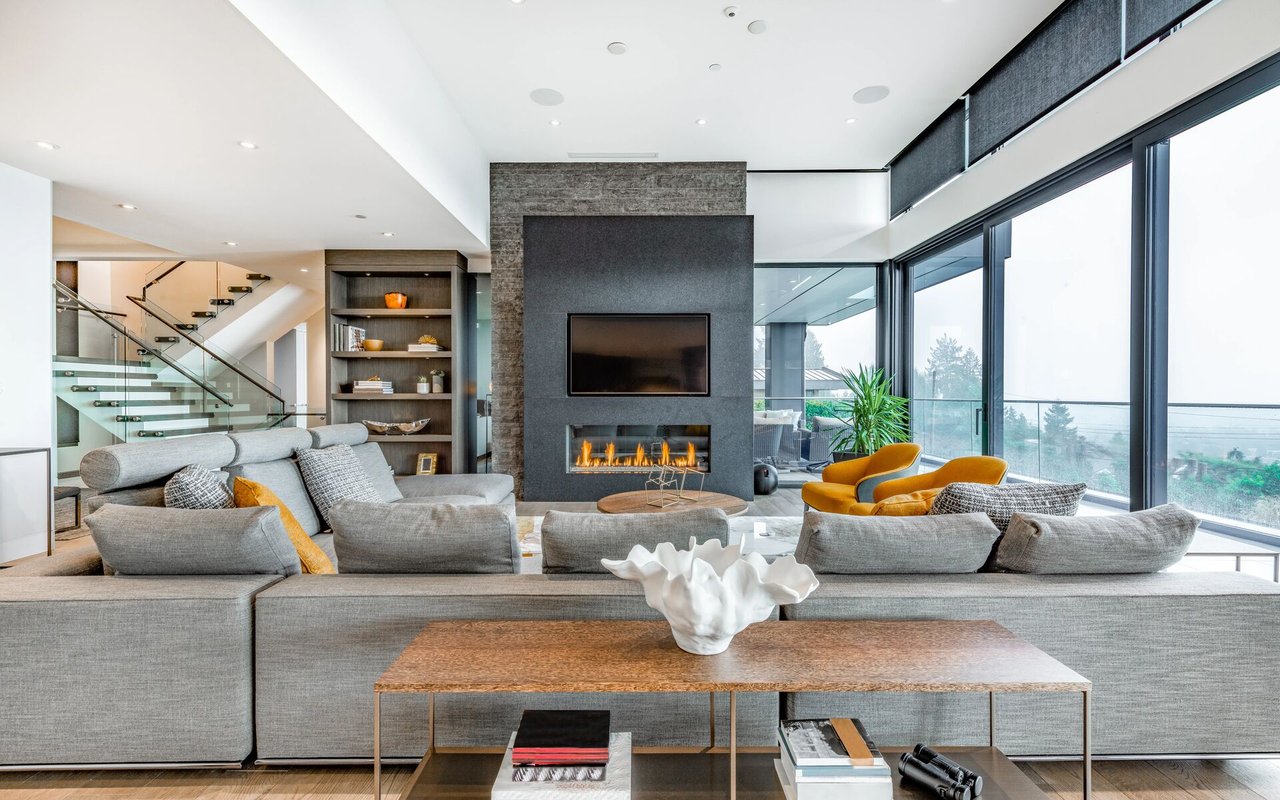
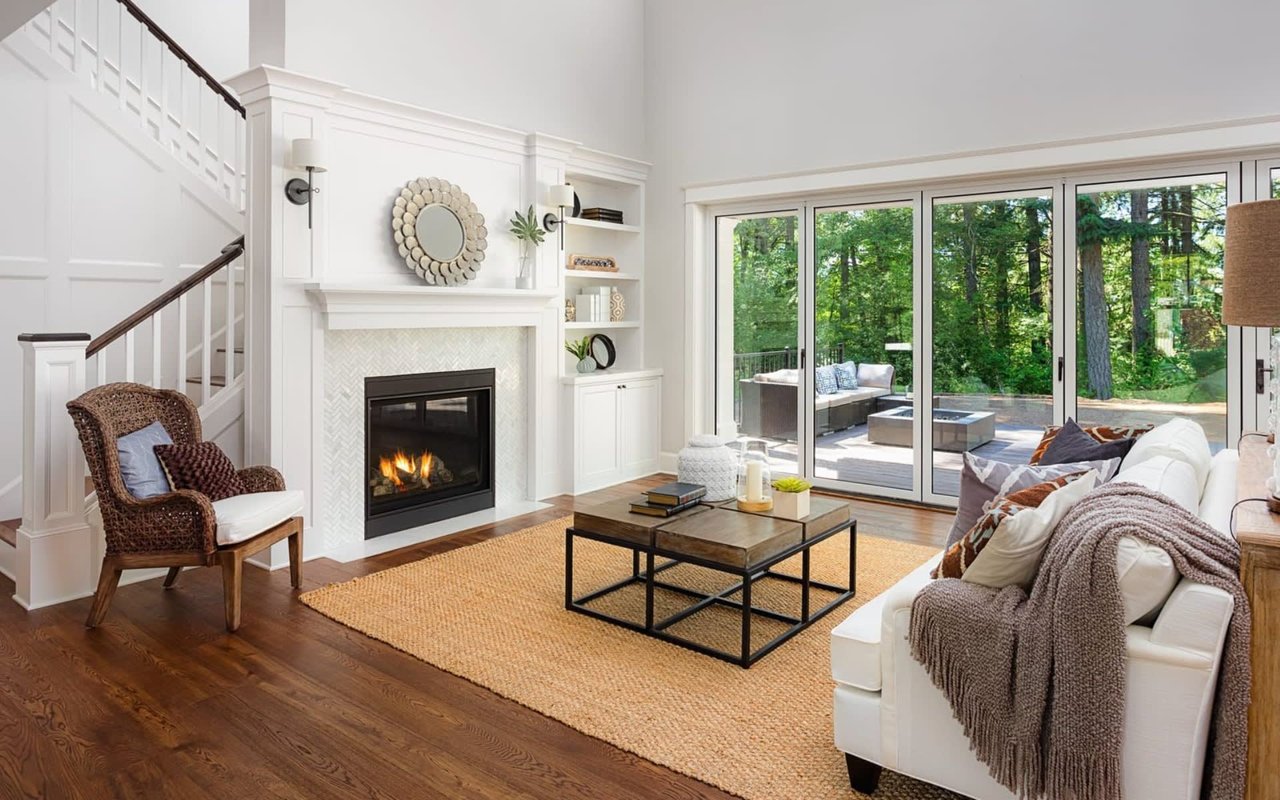
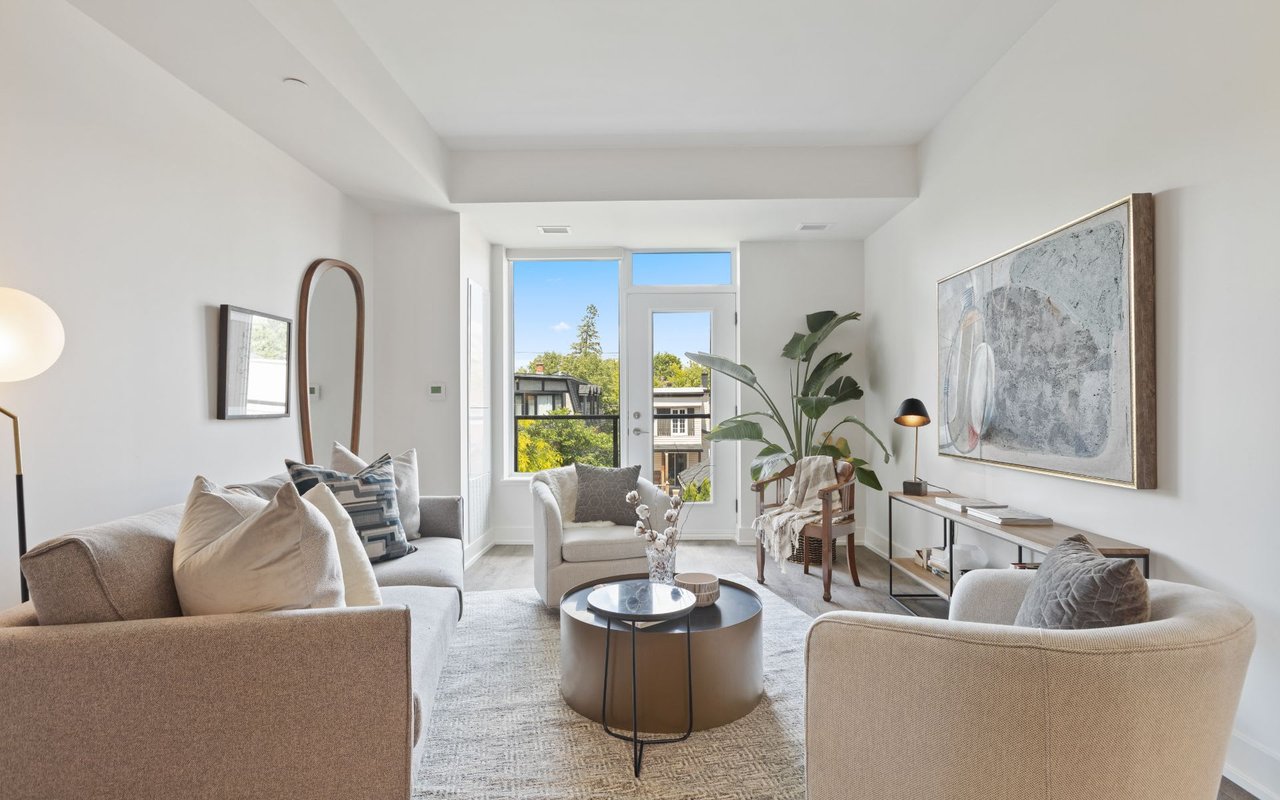
NAR research shows staging helps buyers picture a property as their future home, and it often shortens time to contract. For upper-tier homes, selective professional staging paired with top-tier photography tends to produce outsized results. Review insights from the National Association of Realtors on staging.
Price it right in a small luxury market
Indian Wells is a small, high-end city, so percentage swings can look large from month to month. Different data sources can show divergent medians based on small sample sizes and methods. The takeaway is simple. Trust the local MLS and the GPSR city and price-bracket charts for your comps and pricing strategy rather than any single public snapshot. The GPSR Desert Housing Report tracks price per square foot, months of sales, and list-to-sale behaviors by price tier.
At the top tiers, discounts typically widen and only a small share of homes sell above list. In the January 2026 snapshot, about 9.7 percent of valley homes sold above list price, and the highest brackets behaved differently from mid-range segments. That means precise pricing and a tailored marketing plan are essential for luxury listings.
The pricing toolkit
Use your agent’s CMA to pull these data points inside your same gated community when possible:
- Recent closed sales from the last 6 to 12 months with similar product and location.
- Price per square foot adjusted for views, orientation, pool and updates.
- Days on market inside your neighborhood.
- Active inventory and months-of-sales for your price band, not just citywide.
- Recent list-to-sale ratios and any concessions that helped close a deal.
The GPSR report breaks out city and price-band dynamics so you can see how homes like yours are behaving right now.
Three pricing strategies
- Aggressive pricing. List slightly under the tightest comp to spark early-season traffic and potential multiple offers. Best if you want a faster sale and strong exposure.
- Market pricing. Align with recent comps and accept typical time on market for your tier. Best if you prefer steady activity with minimal risk.
- Conservative pricing. Start above recent comps if you can be patient, then watch activity closely. Be ready to adjust within the first 2 weeks if showings or inquiries lag.
Tip: In a season when inventory is rising, even a few percent too high can lead to a longer market time and a “stale” narrative. Move early if feedback indicates you overshot.
A 90-day prep plan that works
High-end resort listings win on presentation. Use this simple roadmap to get market-ready without overwhelm.
90 to 45 days before listing
- Collect club and HOA paperwork. Confirm membership transfer rules, current dues, any initiation fees, and guest policies. Buyers treat these as part of value.
- Order a pre-list inspection. Identify roof, HVAC, pool, and safety items early so you can fix or disclose and protect your timeline. NAR notes that upfront preparation reduces surprises and helps closings move faster. See staging and prep guidance from NAR.
- Tackle service items. Schedule pool and spa tune-ups, HVAC servicing, irrigation checks, and minor repairs like hardware and door adjustments.
- Plan for golf-course visuals. If your home backs to a course, note overseeding and seasonal schedules so your exterior photos capture the greenest look. Learn why timing matters for desert courses from GolfPass.
45 to 21 days before listing
- Set a staging plan. If budget is limited, focus on the living room, primary bedroom, kitchen, and outdoor living. Staging helps buyers visualize and often shortens time to offer, according to NAR’s staging research.
- Decide on virtual versus physical staging. Virtual staging is quick and effective for vacant rooms, but you must disclose it. For signature spaces and luxury art or furnishings, physical staging typically performs better during showings. For transparency standards on imagery, see this NAR guidance on photo accuracy.
21 to 7 days before listing
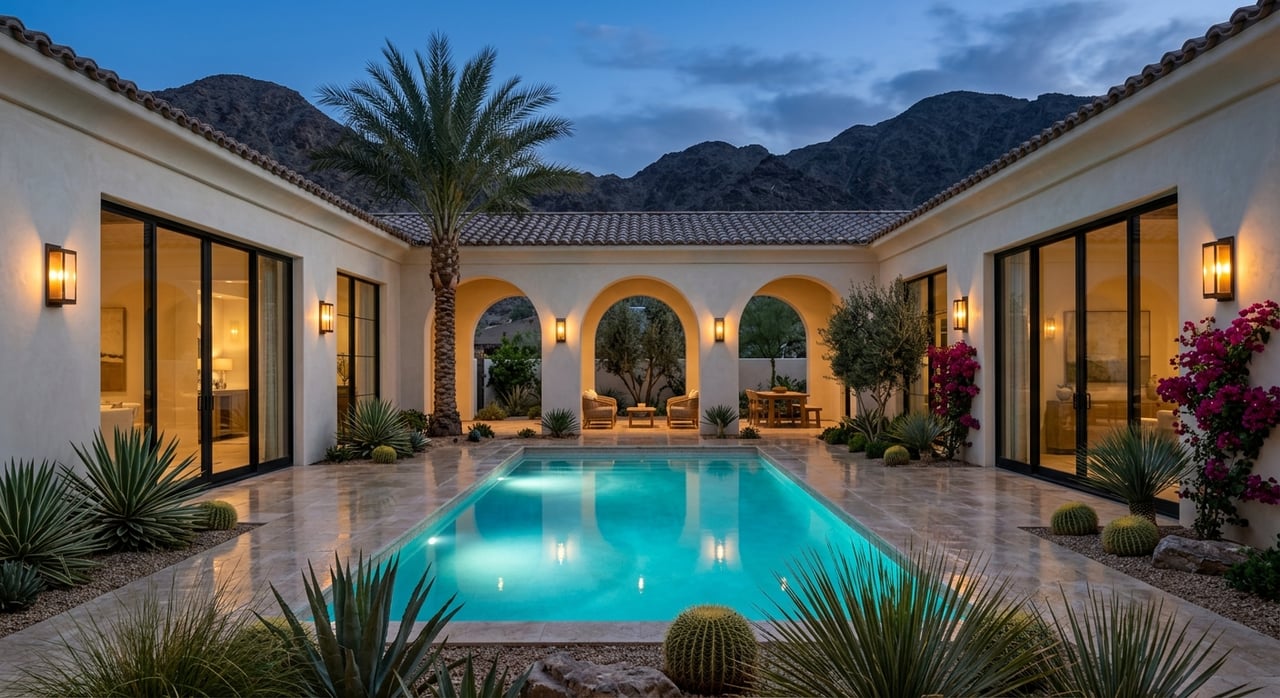
- Book media. Schedule professional daytime and twilight photography, floor plans, and a 3D tour. High-resolution imagery is crucial because many buyers screen homes remotely before they fly in.
- Prepare your story. Draft MLS remarks that highlight outdoor living, privacy, club access, and lock-and-leave convenience. Build a property fact sheet with membership and HOA transfer details. Coordinate a targeted broker tour.
7 days to launch
- Finish polishing. Deep clean, refresh landscaping, complete staging, and confirm gate and showing instructions.
- Time your debut. Aim pre-list agent previews mid-week so momentum carries into the weekend during season.
First 14 days on market
- Watch signals daily. Track showings, saves, and online views. If activity falls short of expectations for your price band, consider a calibrated adjustment within 7 to 14 days to avoid a stale feel. Use current trends from the GPSR report as your benchmark.
Financial notes to discuss with your advisor
If this is your primary residence, you may qualify for the IRS capital gains exclusion, subject to ownership and use tests. Many Indian Wells sellers own second homes and may not meet those tests. Review the basics in IRS Publication 523, then consult your CPA for guidance tailored to your situation.
Ready to sell with confidence
Selling a home in Indian Wells is part timing, part precision, and part story. You want a launch that meets the season, pricing that reflects real neighborhood data, and marketing that elevates your home’s lifestyle value. If you are weighing when to list or what to fix first, let’s build a plan that fits your goals and timeline. Reach out to Nyla Doering for a custom strategy, concierge preparation, and polished marketing with global reach through Desert Sotheby’s International Realty.
FAQs
When is the best time to list a home in Indian Wells?
- Late winter through early spring typically brings the most buyer activity, with added visibility during March’s BNP Paribas Open. Use current months-of-sales from the GPSR report and consider the tournament window when planning.
Do luxury listings in Indian Wells really need staging?
- Yes. NAR research shows staging helps buyers visualize and often shortens time on market. If you prioritize, invest in main living areas, the primary suite, and outdoor entertaining. See NAR’s staging insights.
How should I prepare for photography and showings in a desert setting?
- Book pro photography with twilight shots, tidy landscaping, and check pool systems. If you are golf-front, time photos around course overseeding for the best green presentation. Learn more about overseeding cycles from GolfPass.
How do club memberships affect what buyers will pay?
- Membership type, transferability, costs, and guest privileges influence utility and perceived value. Present clear, current facts in your listing packet so buyers can compare communities with confidence.
What pricing trends should I know right now?
- The valley showed about 5.6 months of sales as of January 2026, and only a small share of homes sold above list at that snapshot. Luxury tiers behave differently, so lean on price-band data in the GPSR report and comps inside your community.
Do I need to disclose virtual staging in my listing photos?
- Yes. Be transparent about any digitally altered images to avoid buyer distrust and potential advertising issues. See this NAR guidance on accurate listing photos.