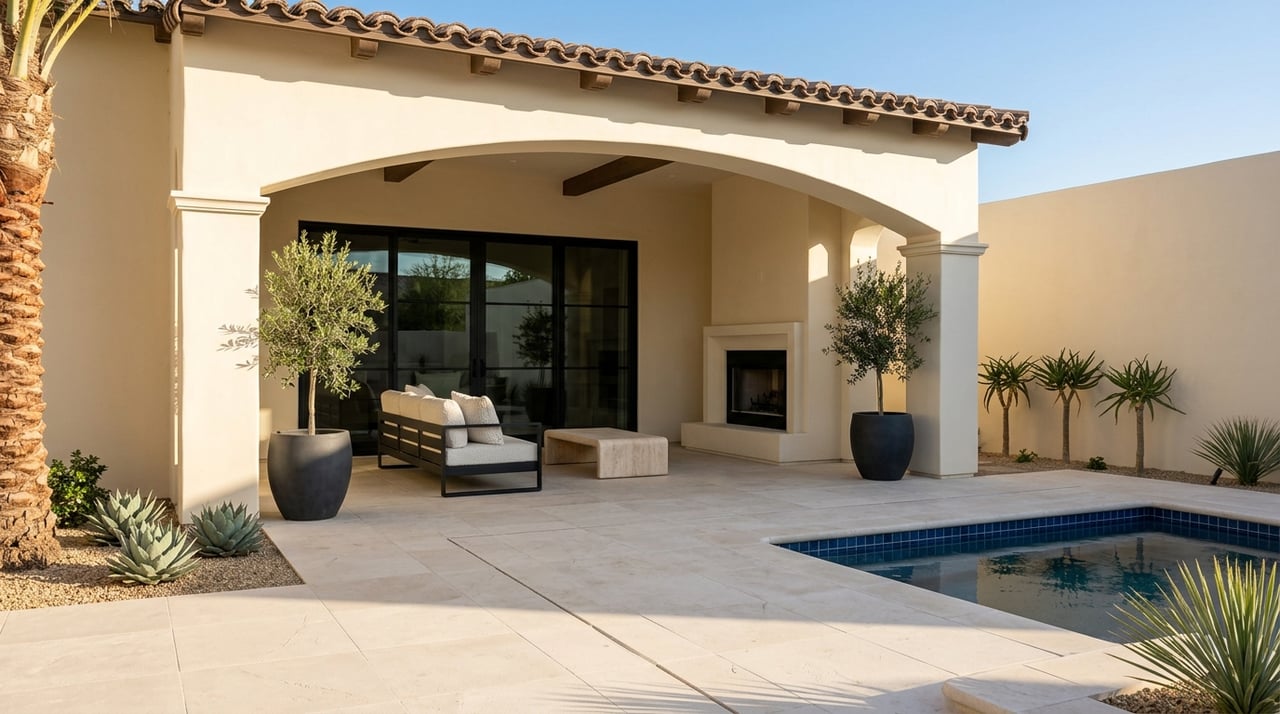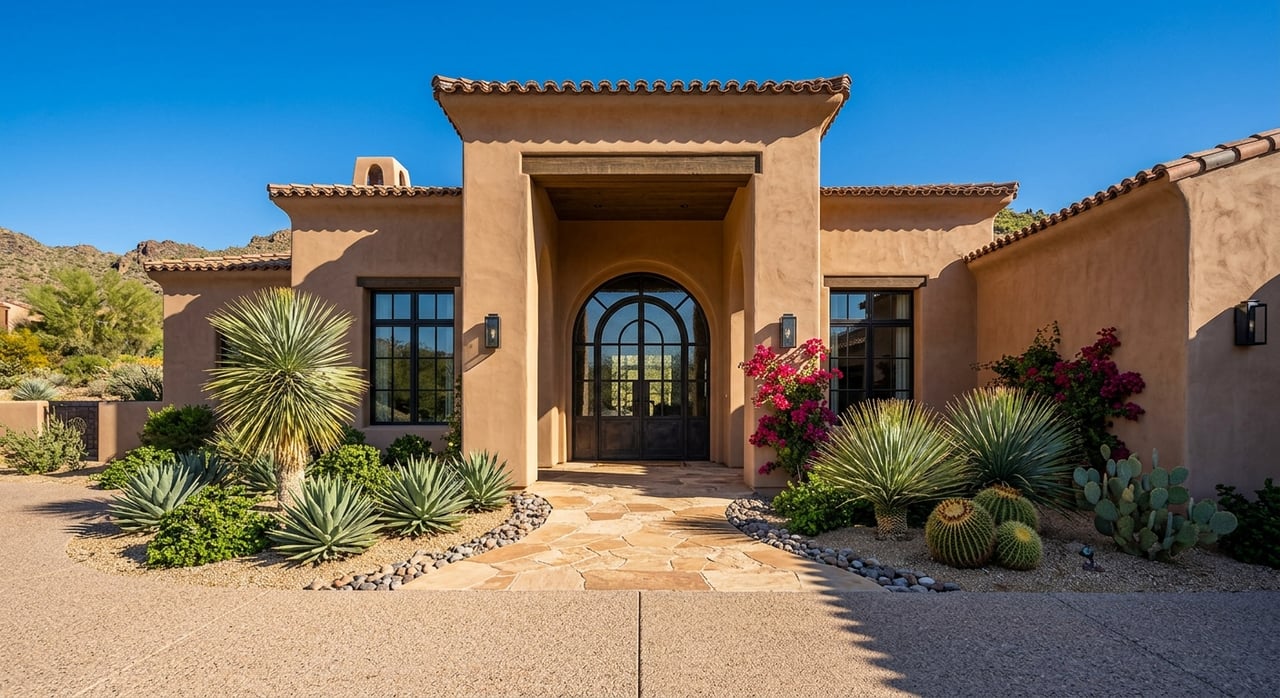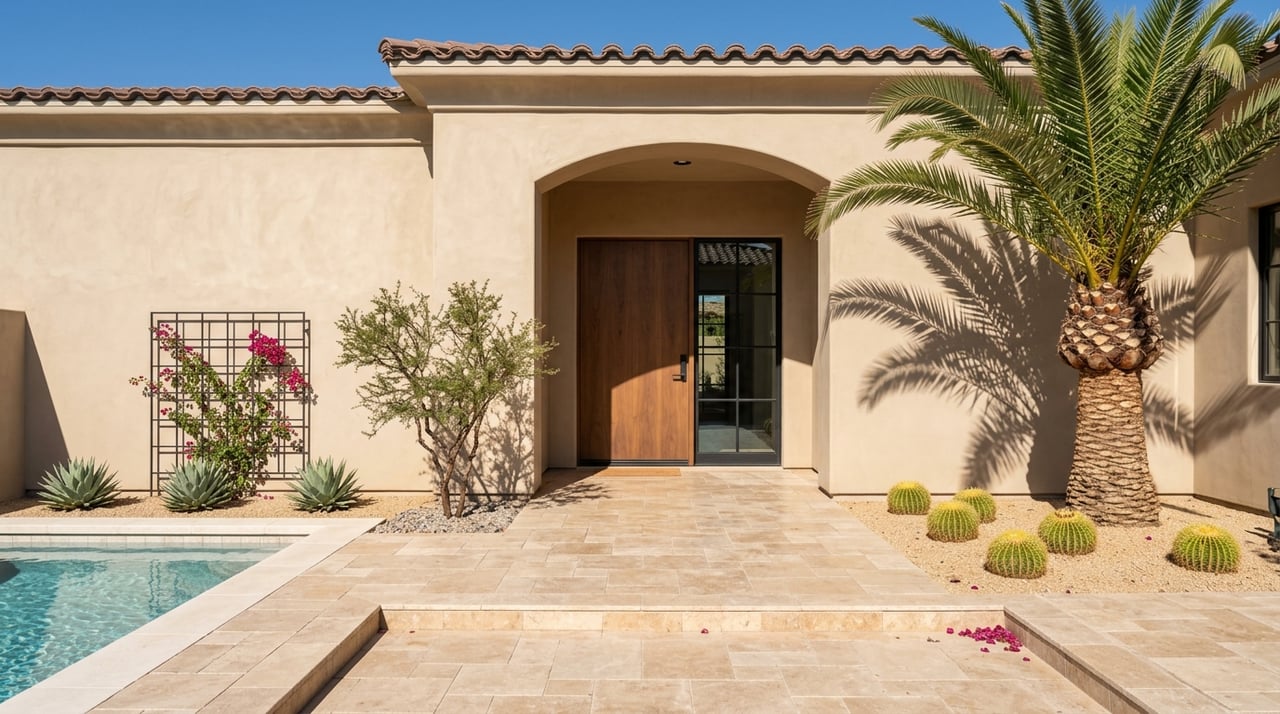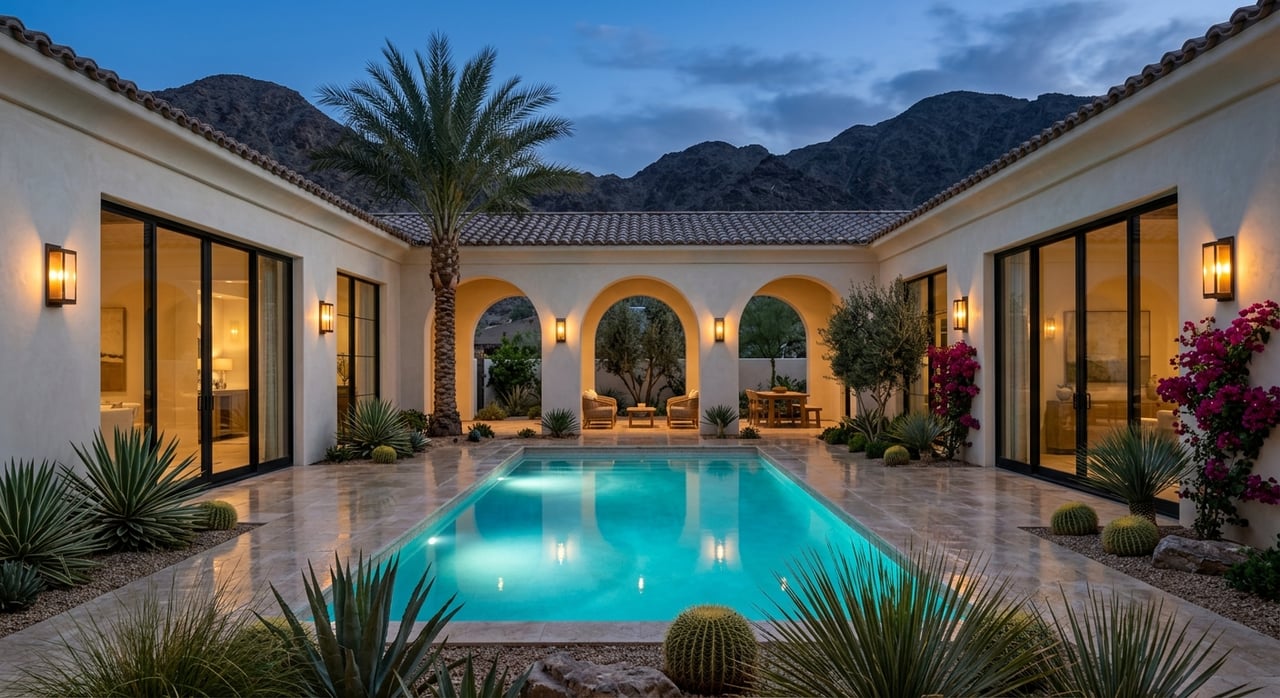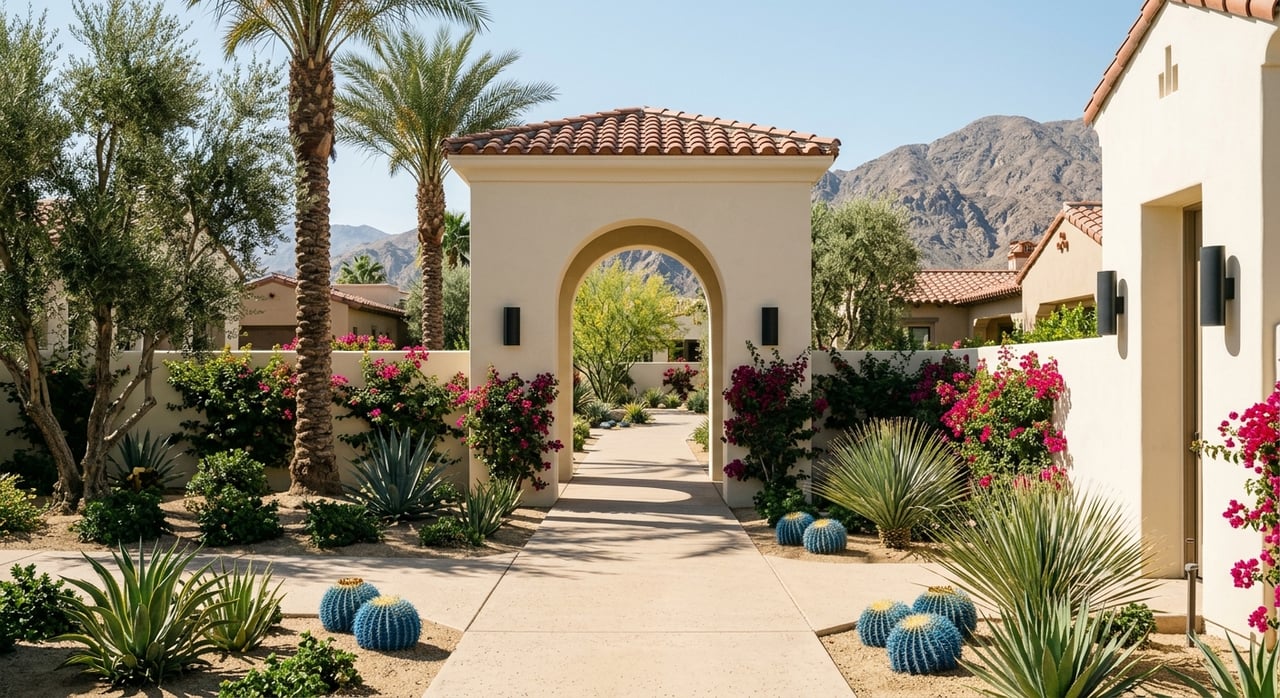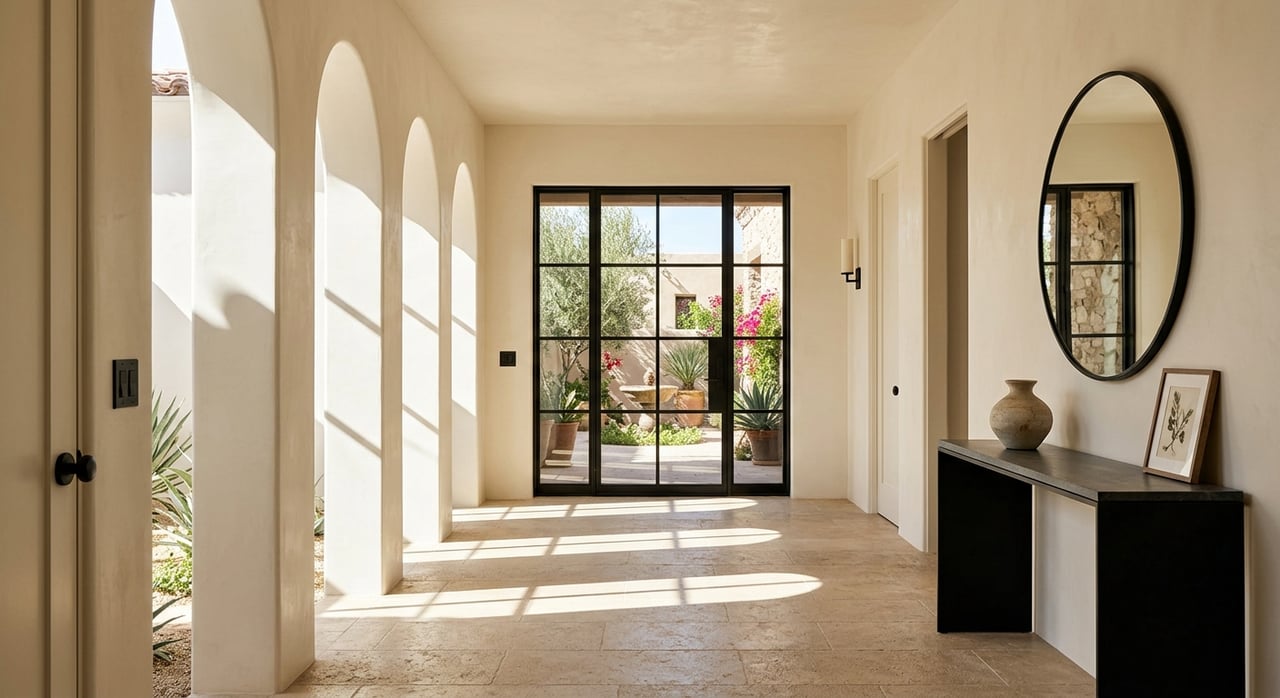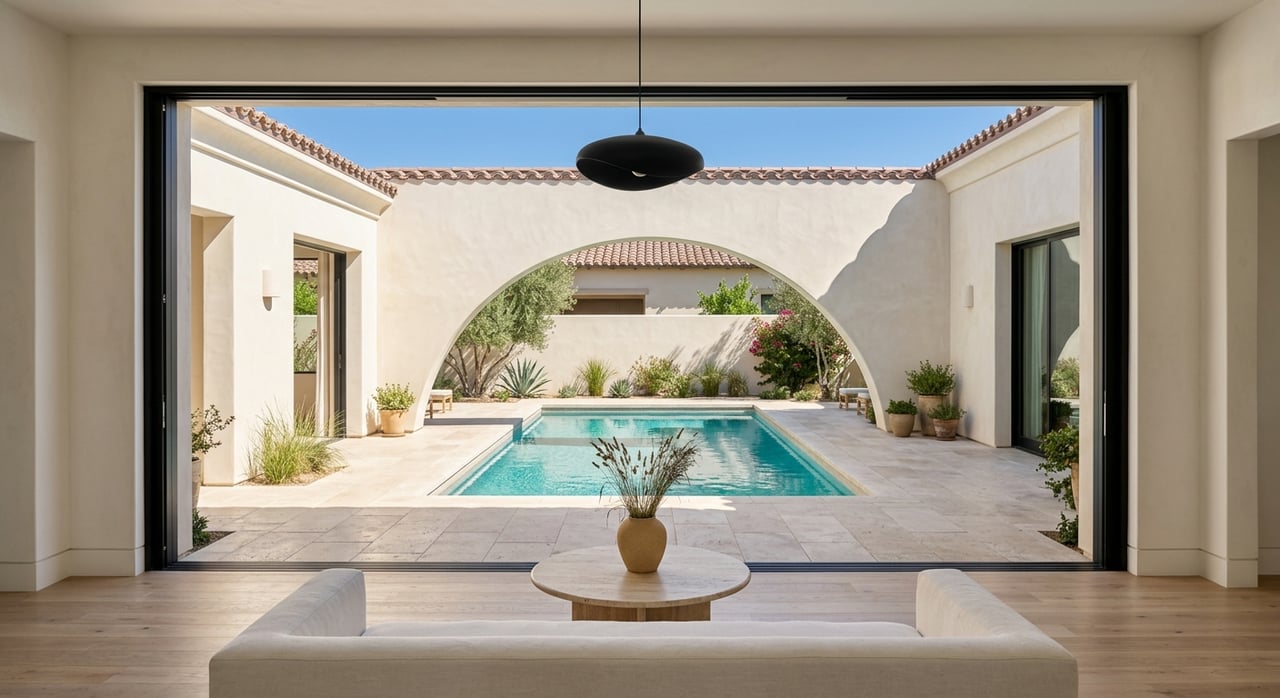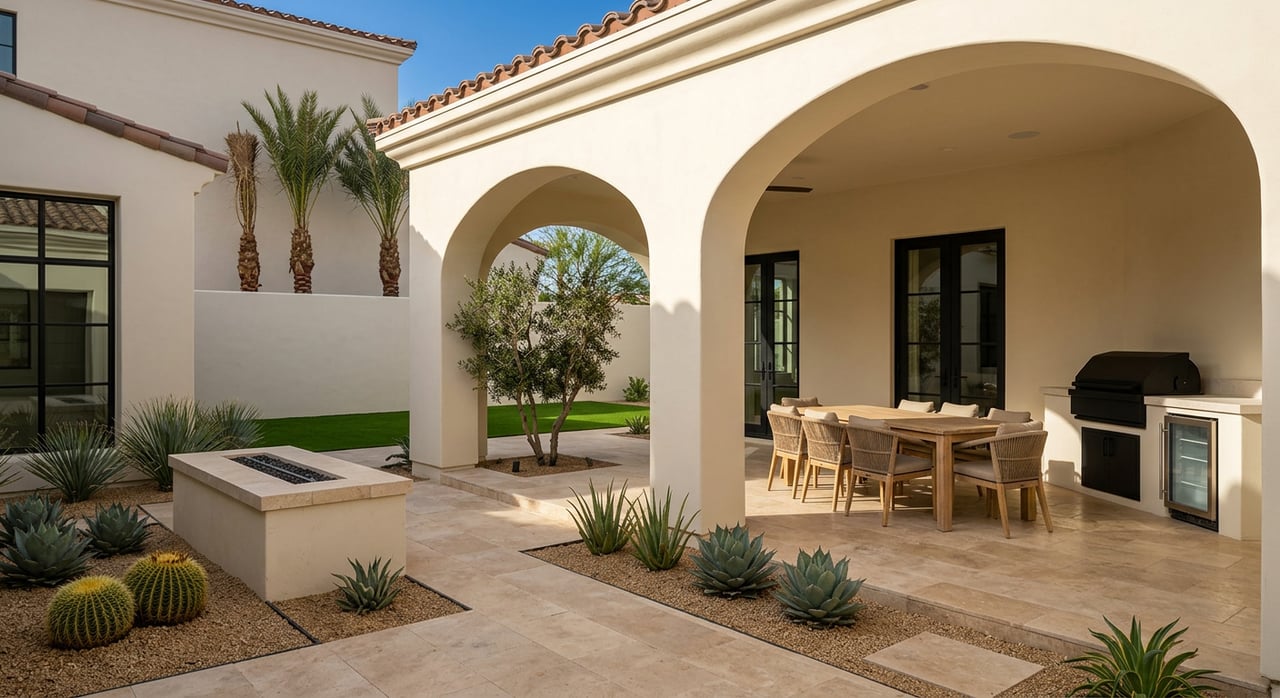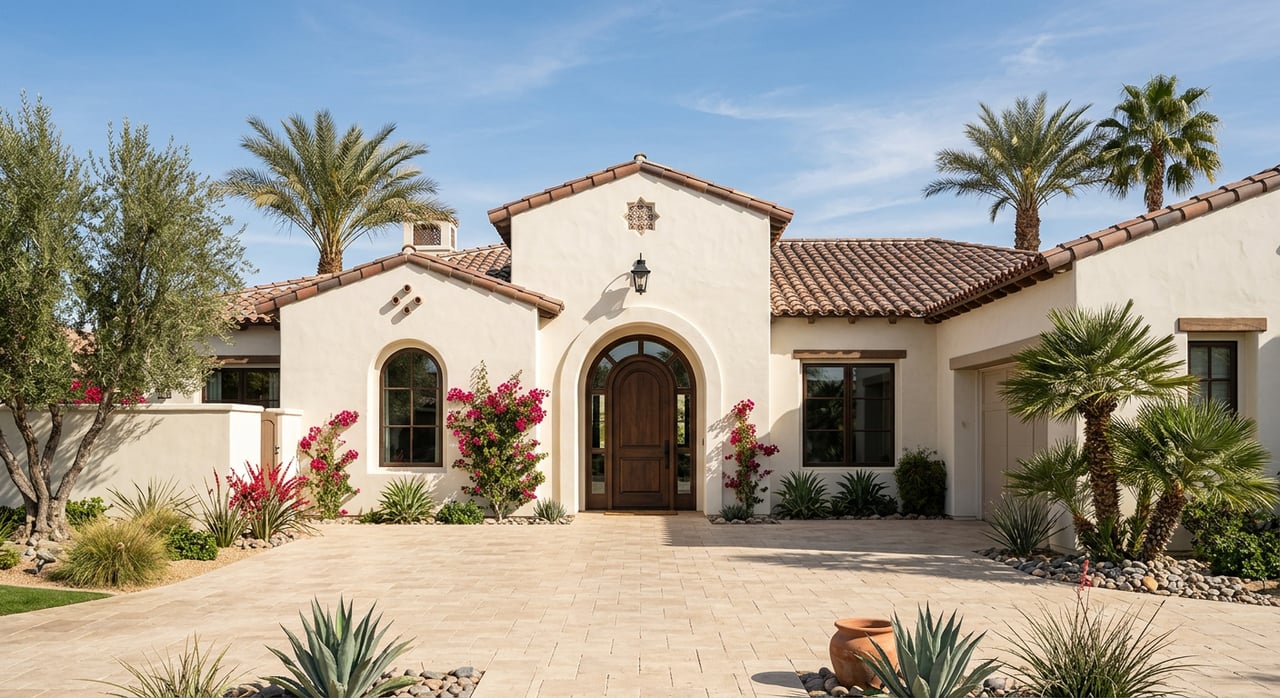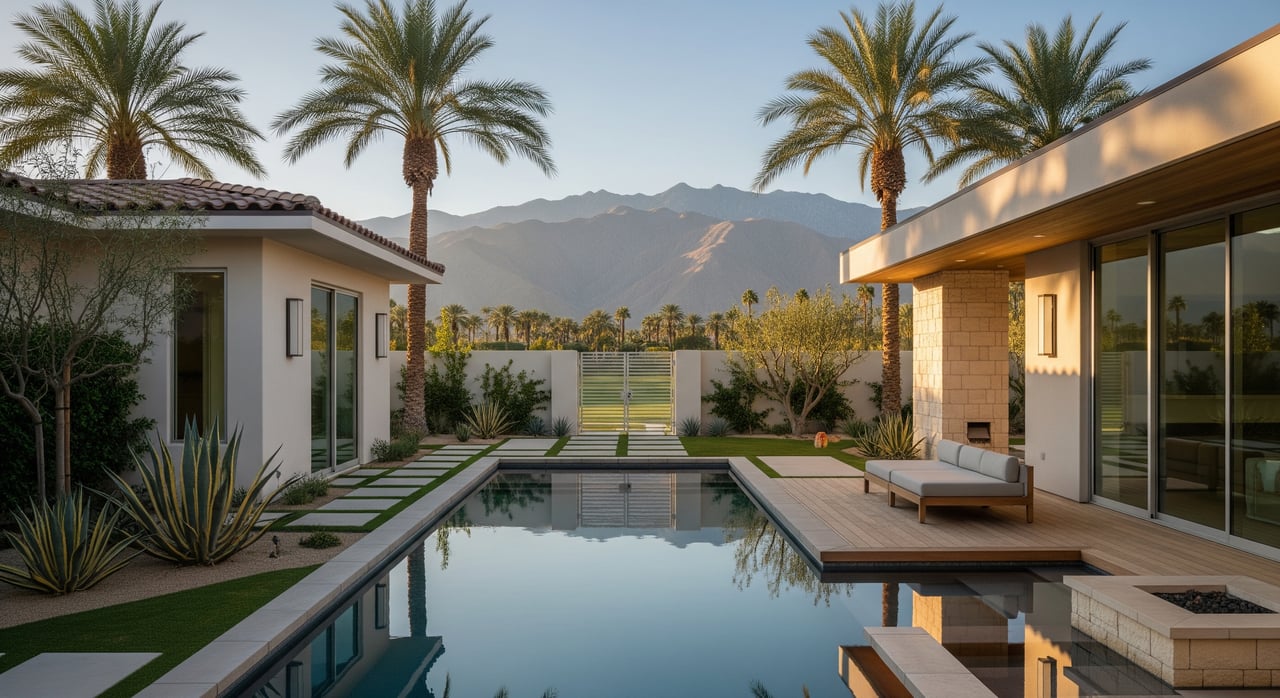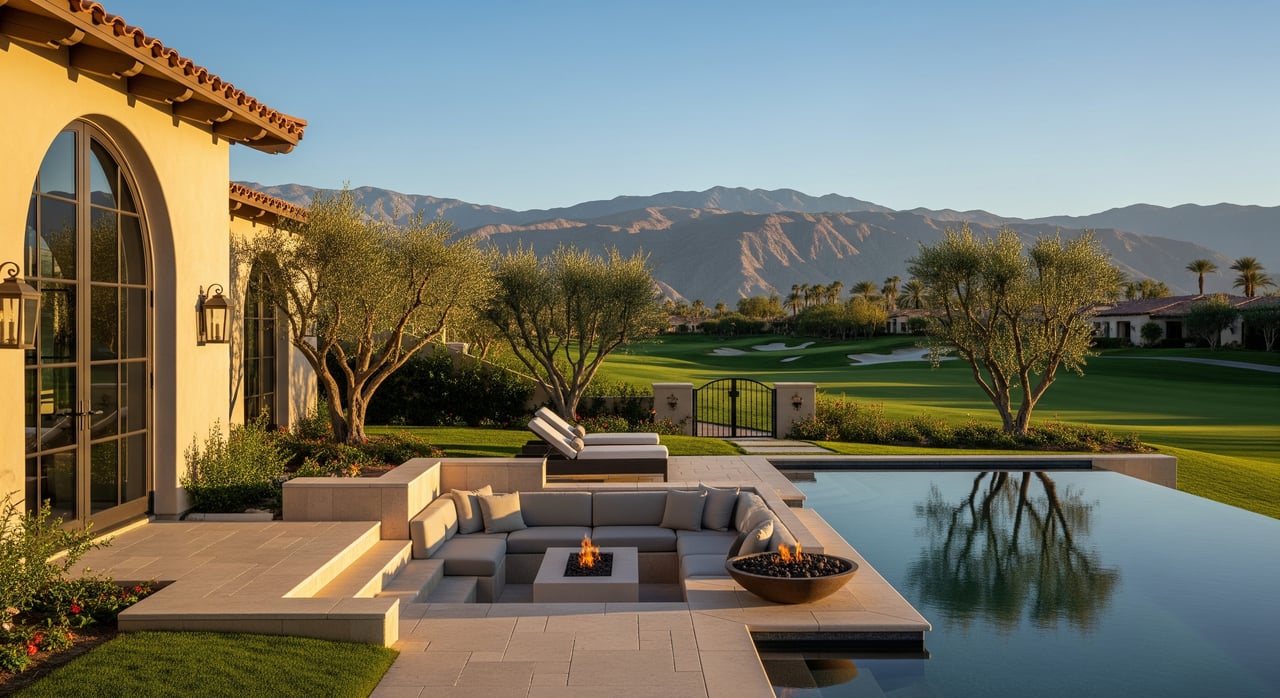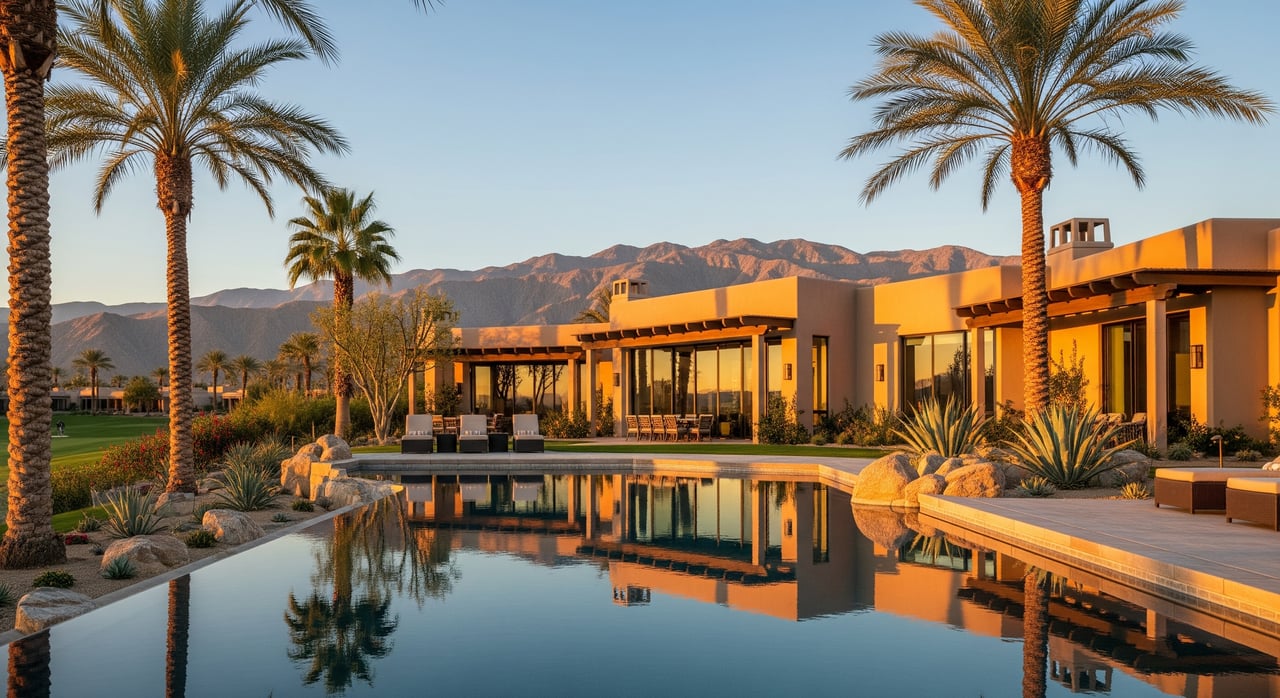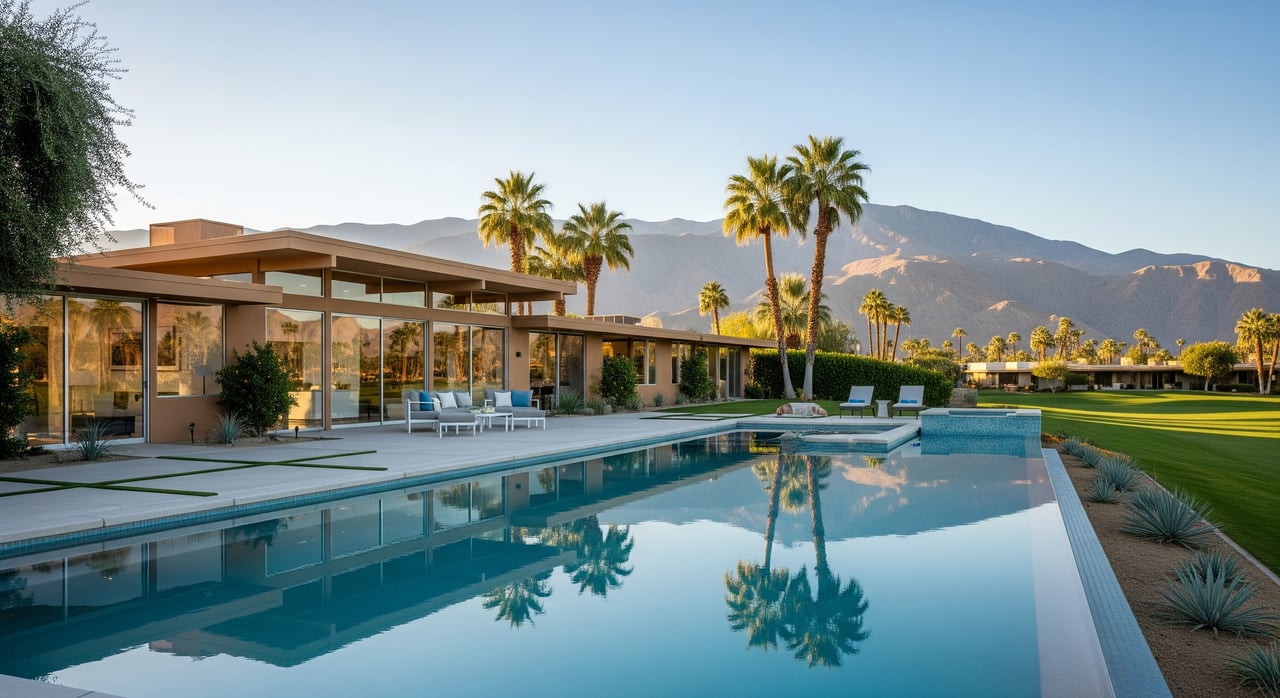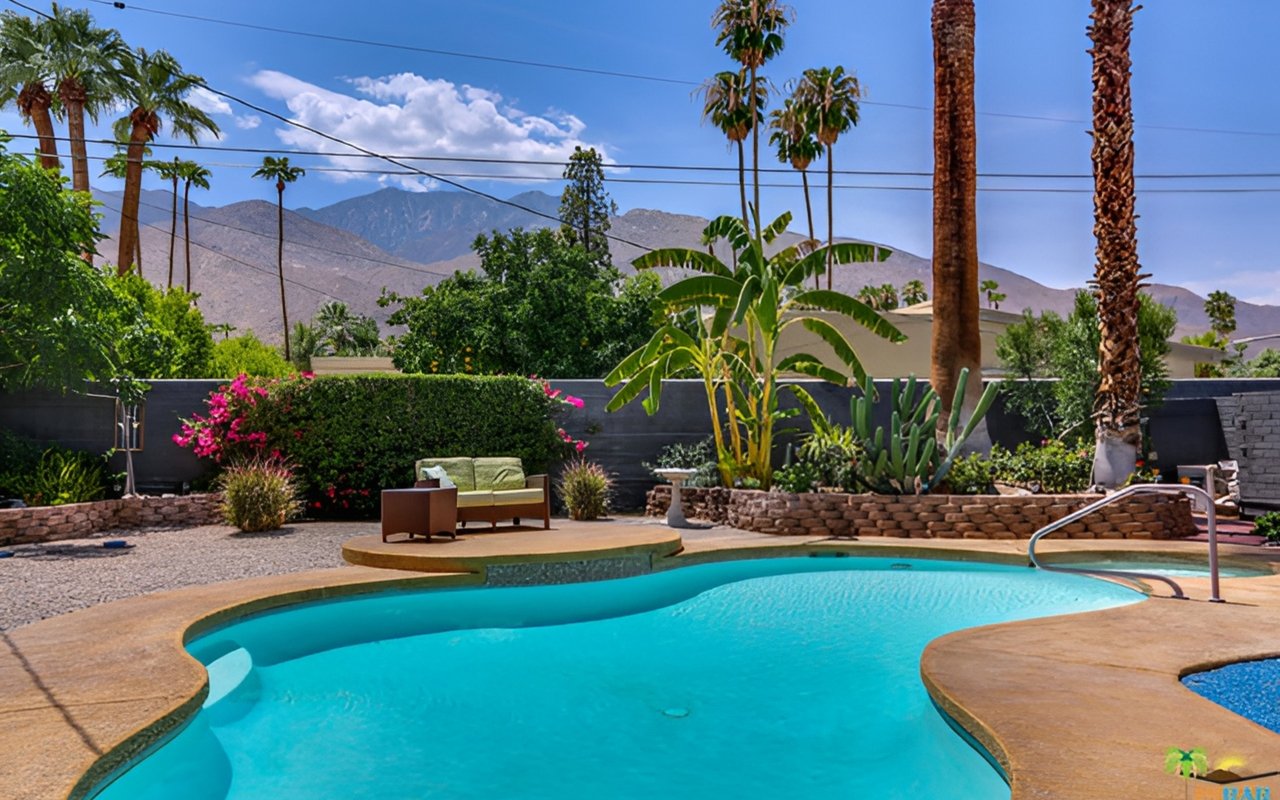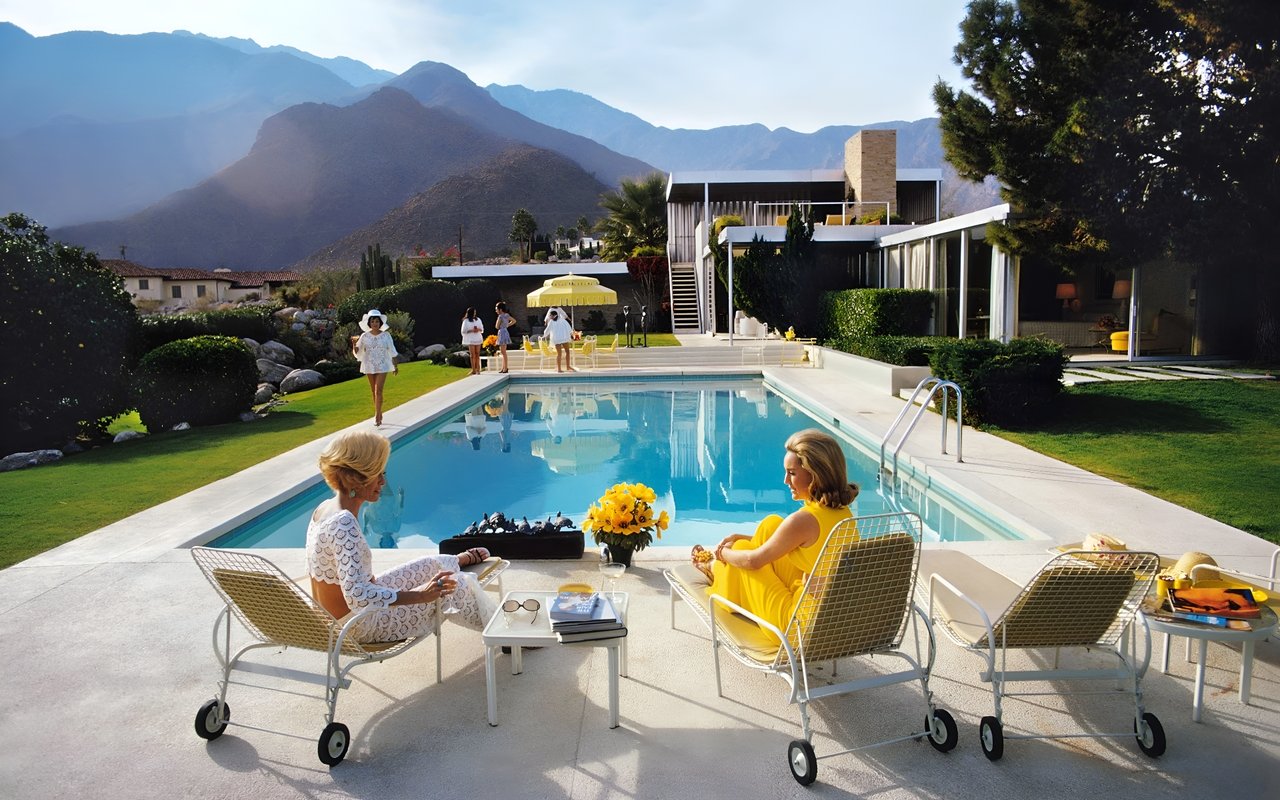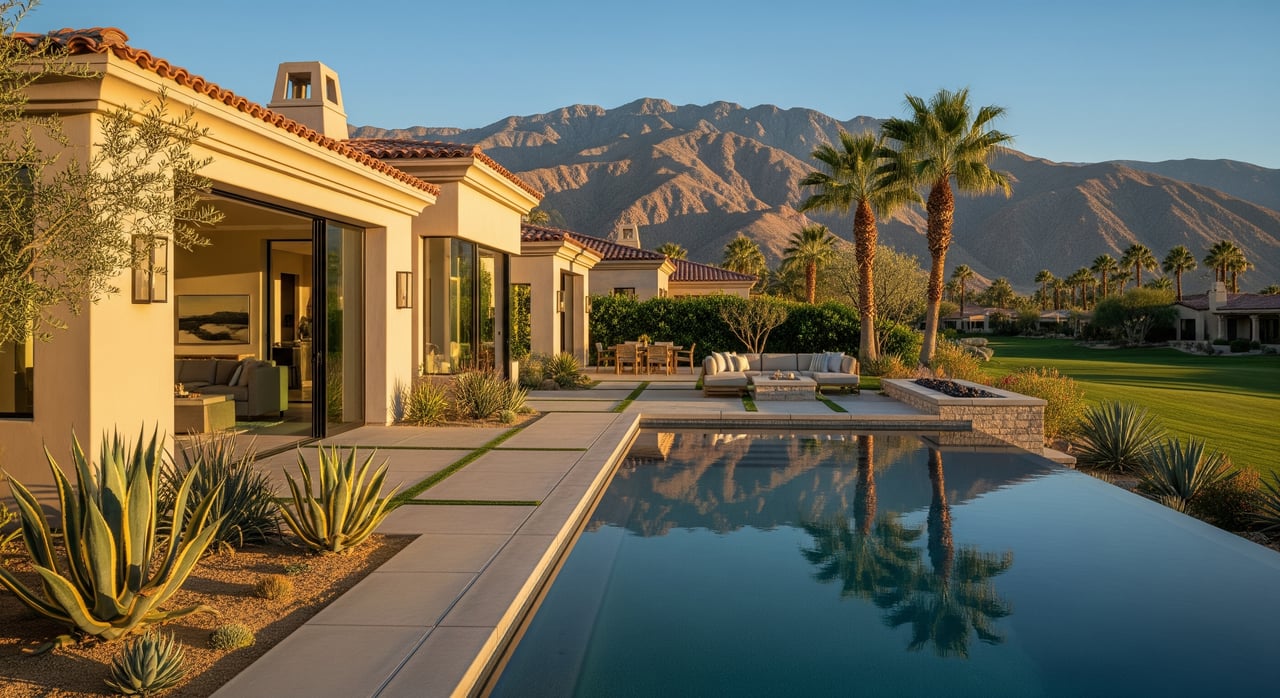
Picture long weekends on the fairways and warm evenings under the Santa Rosa Mountains, then the financing questions hit. If you are eyeing a retreat in La Quinta or Indian Wells, especially in clubs like Toscana Country Club, Rancho La Quinta Country Club, The Citrus, The Hideaway etc. the loan rules for second homes can feel different from your primary home. You want clarity on down payments, reserves, HOA rules, and how rental plans affect approval. This guide breaks down what lenders look for, what is unique in second home buying, and how to get pre‑approved with confidence. Let’s dive in.
Second home vs. investment property
Lenders group mortgages into three categories: primary residence, second home, and investment property. The classification comes down to occupancy and intent.
- Second home: You plan to use the property for personal stays during the year, keep it available for your own use, and not operate it primarily as a rental. Some programs also consider distance from your primary home.
- Investment property: You intend to rent the home to third parties for income. Even if you visit occasionally, if rental income is the main goal, lenders usually treat it as an investment.
Conventional lenders follow definitions from Fannie Mae and Freddie Mac. FHA and VA financing is generally for primary residences, which means second‑home use is usually not eligible under those programs. The practical result is stricter requirements for second homes than for primary residences, and even tighter standards for investment properties.
What lenders expect in La Quinta, Indian Wells, Palm Desert etc.
Exact requirements vary by lender and your profile, but these are common ranges and themes you should anticipate.
Down payment and LTV
- Second homes: Many conventional lenders look for about 10% to 20% down. Some may allow 10% for strong borrowers, while 15% to 20% often improves pricing.
- Investment properties: Typical minimums run 15% to 25% for a single‑unit home, with higher amounts for multi‑unit or investor programs.
- Jumbo loans: Sales prices can exceed conforming loan limits. Jumbo programs are lender specific and commonly require 20% or more down and stronger reserves.
Credit score and interest rate
- Credit: For second homes, many lenders prefer mid‑600s to 700+, with better pricing at 740 and above. Investor loans often target 700+.
- Rates and fees: Expect higher rates and loan‑level price adjustments for second homes than primary residences, with investment properties usually priced highest.
Debt‑to‑income ratio
- DTI: Many programs use a maximum DTI in the 43% to 50% range, depending on compensating factors and the loan product.
Reserves after closing
- Second homes: Lenders often ask for 6 to 12 months of PITI in verified reserves. Very strong borrowers may see lower asks.
- Investment properties: Similar or higher reserves are common, and some lenders also require reserves for other properties you own.
Occupancy affidavit and accuracy
- For second‑home loans, you sign an occupancy affidavit stating you intend personal use and will not operate the property primarily as an investment. Be accurate. Misstating occupancy can trigger penalties or a loan call.
Seasoning and future changes
- If you later convert a second home to a rental, or convert a rental to a second home, your lender may require a seasoning period, often about a year. Check specific rules before you change use.
HOA dues and what they cover
- For example Rancho La Quinta is a gated, amenity‑rich community. HOA dues typically reflect security, landscaping, common areas, fitness or club facilities, and reserve funding. In upscale golf communities, dues can run from a few hundred to over a thousand dollars per month, based on home type and inclusions.
- Lenders review HOA financials, reserves, and any special assessments. Strong HOA budgets support loan eligibility and can reduce buyer risk.
Rental rules and short‑term rentals
- Many private clubs and HOAs restrict rentals or set minimum lease terms. Some prohibit short‑term rentals entirely.
- The City of La Quinta, Indian Wells and Palm Desert also have short‑term rental regulations. If you plan to rent, review both the city rules and the HOA CC&Rs before you write an offer.
Taxes, assessments, and insurance
- Some areas of Riverside County include Mello‑Roos or special assessments that increase your annual property tax bill. Your lender will include these in your monthly payment calculation.
- Insurance is required and may cost more in higher risk zones. Your lender may request wildfire or flood coverage if applicable. Get quotes early, since premiums affect your DTI and reserve planning.
Seasonality and appraisals
- La Quinta, Indian Wells and Palm Desert have strong seasonal demand, especially for golf and winter stays.
Your financing game plan
- Step 1: Define your use. If you plan personal use for weeks or months and not primarily for rental income, you are likely in second‑home territory. If you will rent regularly, expect investor treatment.
- Step 2: Plan your cash. Set expectations for a larger down payment and verified reserves than a primary home.
- Step 3: Shore up credit. Higher credit scores improve pricing and options. Gather stable income and asset documentation.
- Step 4: Check HOA and city rules. Confirm rental restrictions, dues, and any special assessments before you make an offer.
Pre‑approval checklist for Rancho La Quinta, Toscana Country Club, The Hideaway, The Citrus, PGA West and other top clubs:
Personal and financial documents
- Government ID
- Last 2 years of tax returns and W‑2s, plus recent pay stubs
- For self‑employed, 1099s and 2 years of personal and business returns, plus a current profit and loss
- Bank statements for the last 2 to 3 months for all accounts
- Investment or retirement account statements if used as reserves
- Mortgage statements, tax bills, and insurance for other properties you own
- Gift letter and donor documentation if using gift funds
Property items to collect early
- HOA name and manager contact, CC&Rs, bylaws, budget, financials, and current dues schedule
- Reserve study and recent HOA meeting minutes or notices, especially for any special assessments
- Seller disclosures for rental history, special taxes, and property condition
- Preliminary title report or county tax data showing Mello‑Roos or other assessments
- Recent Rancho La Quinta comparable sales for appraisal context
Questions to ask your lender and agent
- Will this be underwritten as a second home or an investment property, and why
- What minimum down payment and reserve levels apply to this price and property type, including jumbo
- How many months of PITI reserves will be required after closing
- Does this HOA meet lender standards for warrantable financing
- Are there HOA or city rental restrictions that affect eligibility or income calculations
- Will I need additional insurance, and what are current premium estimates
FAQs
What counts as a second home for a mortgage
- A property you occupy for personal use during the year, kept available for you and not operated primarily as a rental.
How much down payment is common in La Quinta
- Many second‑home buyers bring about 10% to 20% down, while investment properties often require 15% to 25% or more.
Will I need a jumbo loan at the top clubs?
- At higher price points, especially golf homes or estate homes, jumbo financing is common and may require 20% or more down and stronger reserves.
How many months of reserves do lenders want
- For second homes, many lenders ask for about 6 to 12 months of full mortgage payments, with similar or higher amounts for investment properties.
Can I use FHA or VA for a second home
- FHA and VA programs are generally designed for primary residences, so second‑home financing usually requires a conventional or jumbo loan.
Do HOA dues affect my loan approval
- Yes, lenders include HOA dues in your debt‑to‑income ratio and review the HOA’s financial health, which can impact eligibility and pricing.
Final thoughts
Financing a second home is completely achievable when you plan for the differences. Clarify your intended use, prepare for larger down payments and reserves, and review HOA and city rules early.
If you want tailored guidance on neighborhoods, HOAs, and lender expectations for your price band, connect with Nyla Doering for a private consult. 760-340-1111.