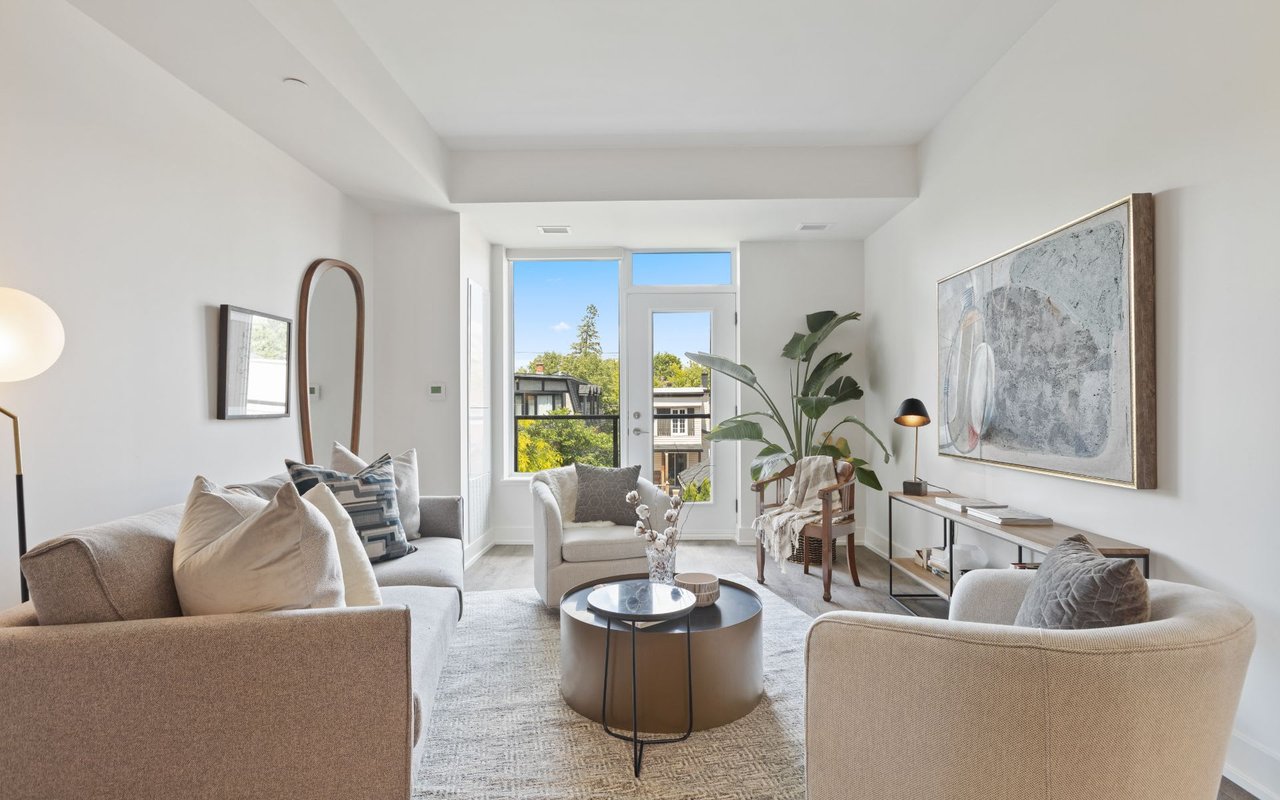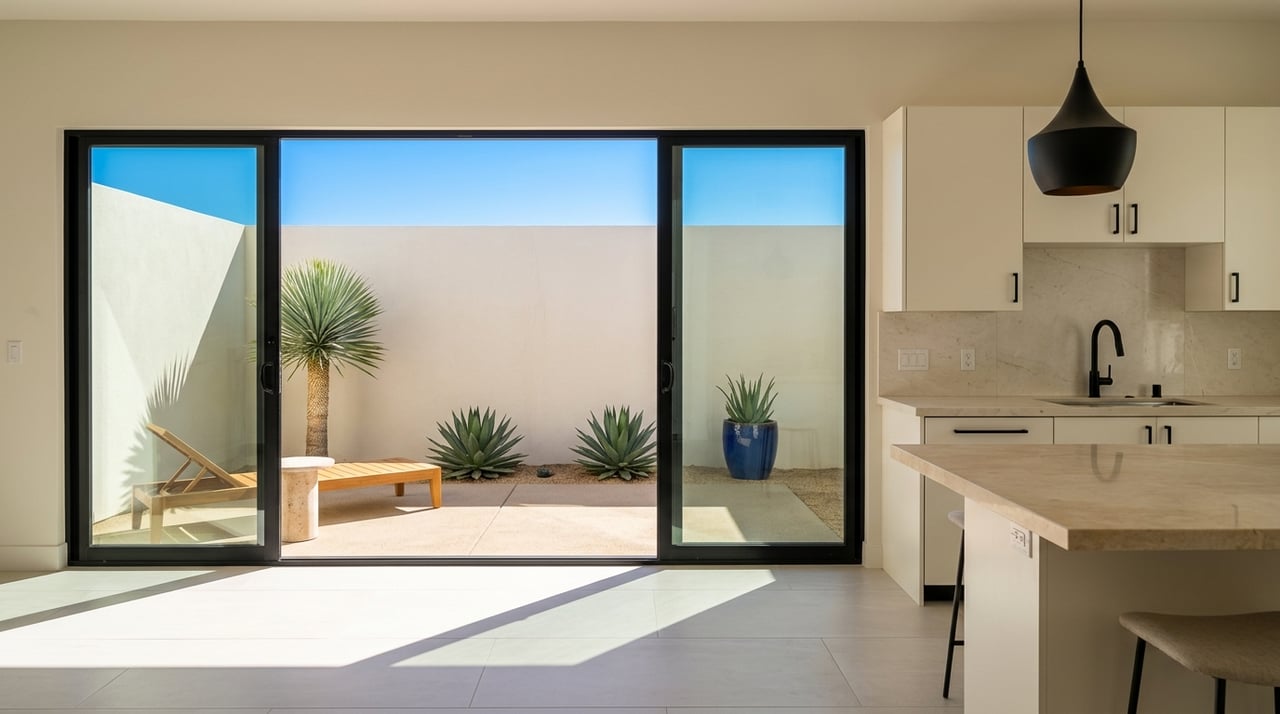
Trying to choose between a condo and a home in Indian Wells? It is a smart question, because this is not a market where the answer is obvious. Indian Wells offers a distinctly resort-oriented lifestyle, and both property types can support it in very different ways. If you are weighing convenience, privacy, budget, and rental goals, this guide will help you compare the tradeoffs clearly so you can move forward with confidence. Let’s dive in.
Why Indian Wells feels different
Indian Wells is a small city with 4,757 residents and 5,083 housing units, according to Census profile data. The city’s housing element also describes Indian Wells as a luxury retirement community and visitor destination, with a housing stock that is about 88% single-family and 85% owner-occupied. It also notes an approximately 45% vacancy rate tied to second homes and vacation rentals.
That context matters when you compare condos and homes here. In many cities, condos are a major share of the market and appeal to buyers who want an urban lifestyle. In Indian Wells, condos are more of a niche choice within a market that leans heavily toward detached homes and resort-style living.
Resort lifestyle comes with both options
Indian Wells is built around amenities. The city highlights six residential country clubs that offer golf, tennis, fitness centers, spas, dining, and social or educational programming. It is also home to the Indian Wells Tennis Garden, a year-round facility with 29 courts, memberships, fitness classes, and on-site dining, along with the Indian Wells Golf Resort, a 36-hole public golf facility.
For you as a buyer, that means the condo-versus-home decision is usually not about whether you can enjoy the Indian Wells lifestyle. It is more about how you want to experience it. Some buyers want shared amenities and simpler upkeep, while others want more privacy and control without giving up access to a resort setting.
What a condo usually means in Indian Wells
Condo ownership includes shared responsibility
In California common-interest developments, condo ownership usually includes your unit plus an interest in the project’s common area. State law says that, unless the governing documents say otherwise, the association is generally responsible for maintaining, repairing, and replacing the common area, while the owner is responsible for the separate interest.
That sounds simple, but the details matter. Some features tied to a unit, such as patios, balconies, or parking spaces, may be classified as exclusive-use common area rather than fully private property. So if you are buying a condo in Indian Wells, it is important to understand what is truly yours to maintain and what falls under the HOA structure.
Condo living often means less day-to-day exterior upkeep
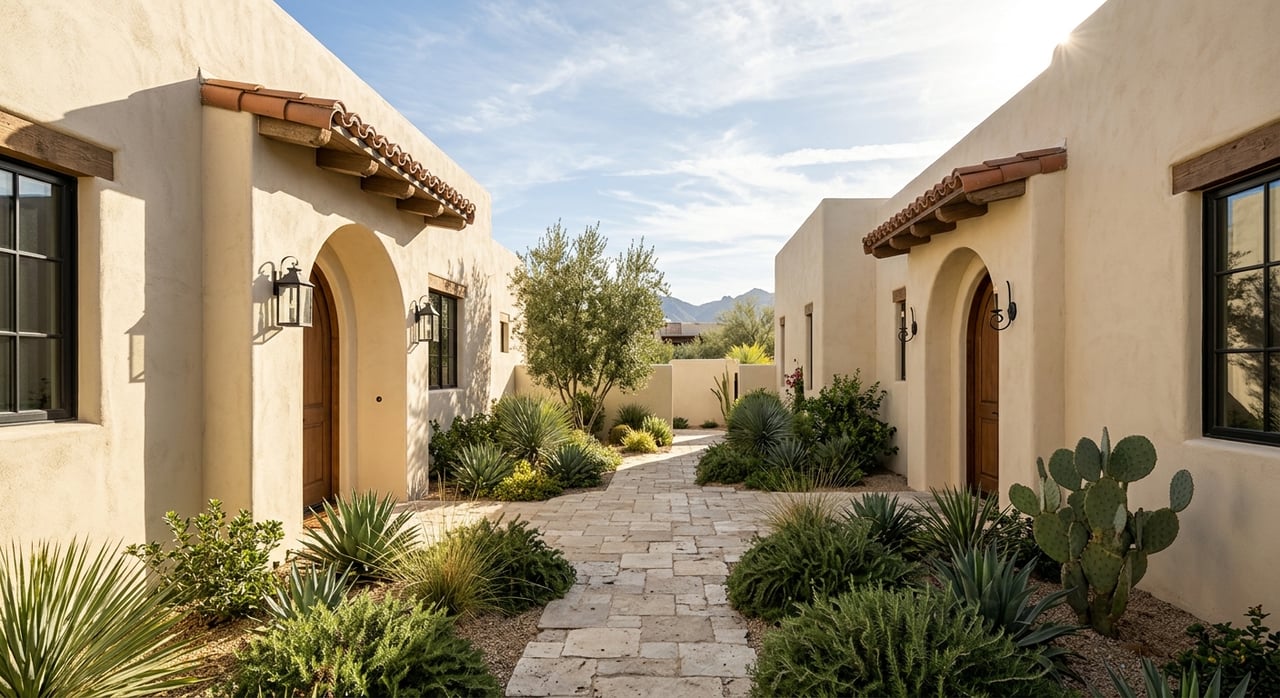
This is one of the biggest reasons buyers consider condos in Indian Wells. If you want a lock-and-leave desert retreat or a lower-maintenance second home, a condo can offer a more convenient ownership experience than a detached property.
That convenience usually comes through monthly HOA dues. According to the California Department of Real Estate, HOA budgets typically fund day-to-day operations and reserves for future repairs and replacements, including items like roofing, painting, lighting, pool equipment, furniture, and paving. If major repairs or unexpected costs arise, the association may also levy special assessments.
Condo budgeting needs a wider lens
It is easy to focus on mortgage payment alone, but that can lead to an incomplete picture. Condo owners often need to budget for the mortgage, HOA dues, property taxes, and unit-level insurance. The Consumer Financial Protection Bureau also notes that HOA dues are usually paid directly to the association and are not typically rolled into your mortgage payment.
In a market like Indian Wells, where HOA dues may be substantial, the all-in monthly cost matters more than the base purchase price. A condo may reduce some direct exterior maintenance, but that convenience comes with recurring dues and the possibility of future assessments.
What a single-family home usually means
Homes offer more privacy and autonomy
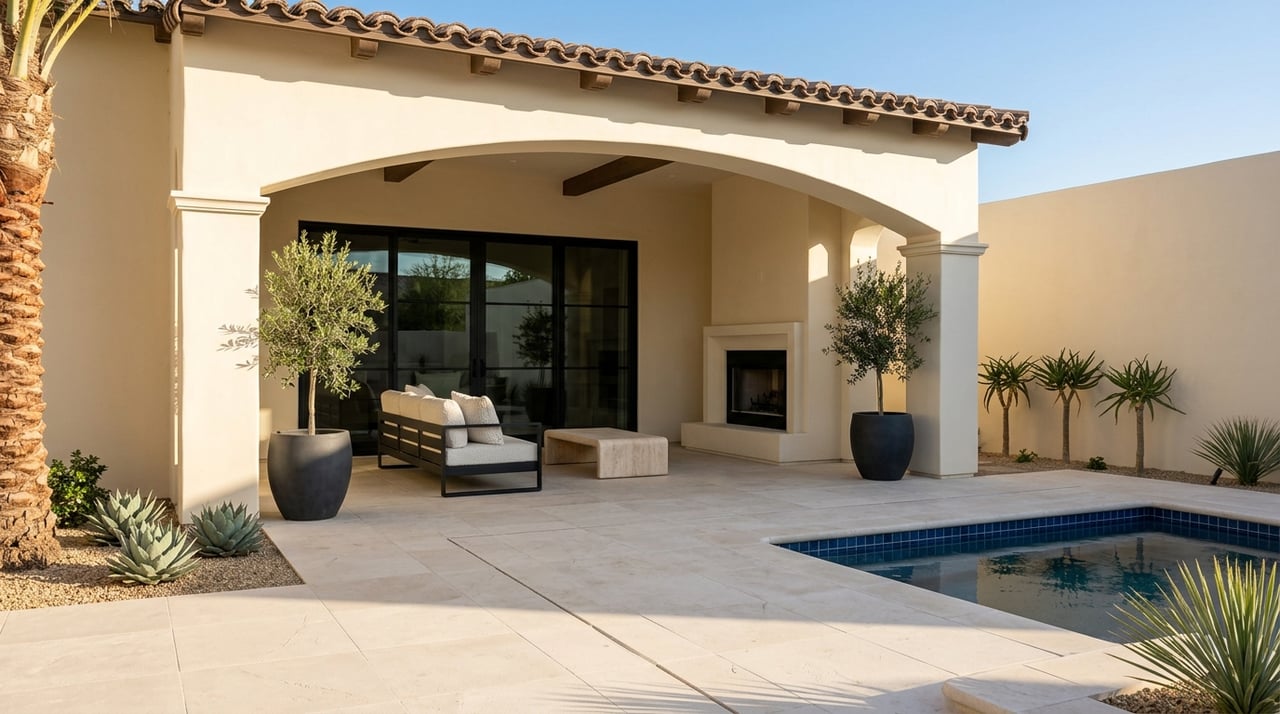
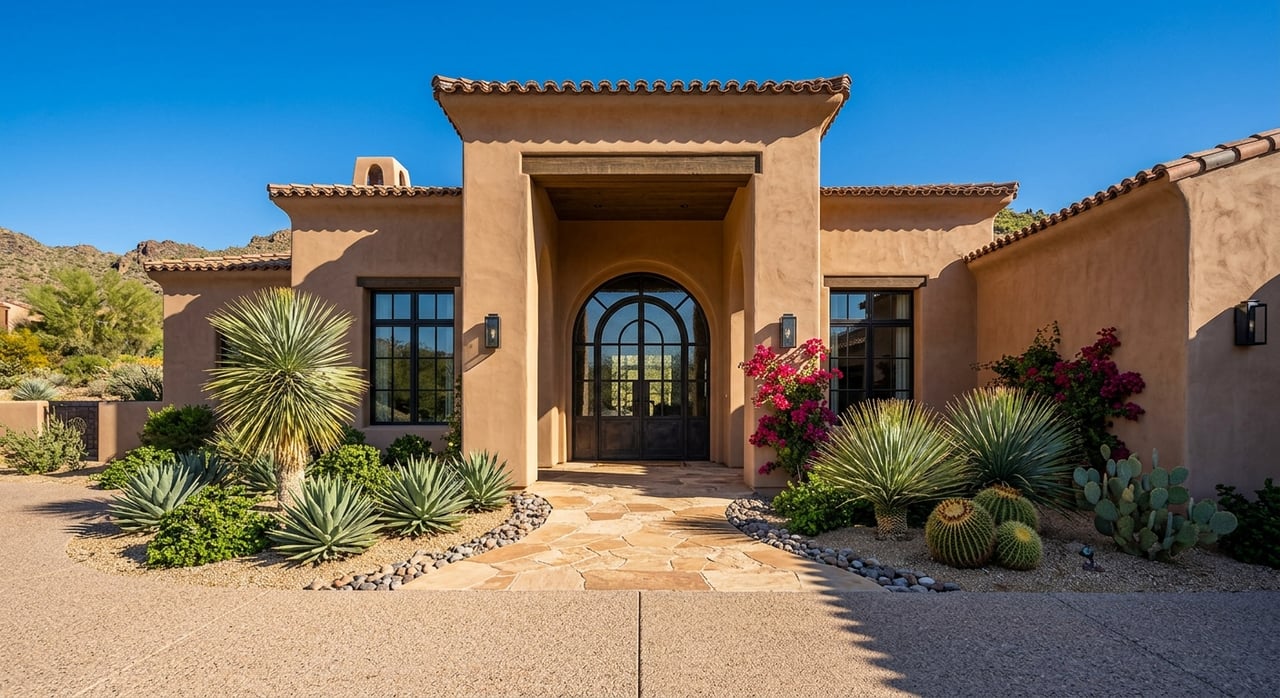
Detached homes in Indian Wells usually appeal to buyers who want more separation from neighbors, more outdoor space, and more direct control over the property. If you picture a private retreat, a custom indoor-outdoor setup, or the freedom to make more decisions without as much shared governance, a home may feel like the stronger fit.
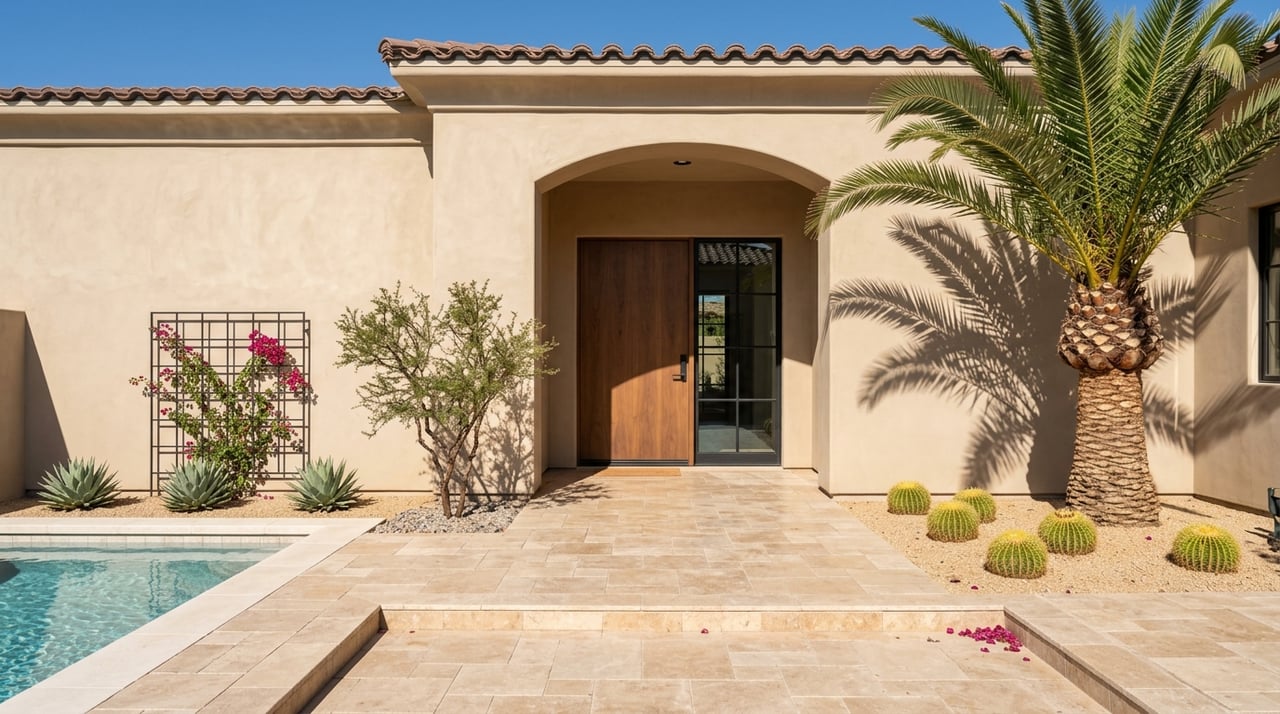
This is especially relevant in Indian Wells because the city already delivers a resort-oriented setting. You are not necessarily giving up golf, tennis, fitness, or social amenities when you choose a house. You are simply choosing a more independent way to enjoy them.
Homes shift more upkeep to you
That added independence usually comes with more responsibility. With a single-family home, you are often the one planning and paying for exterior maintenance, yard care, and long-term upkeep instead of relying on an HOA to manage common systems.
For some buyers, that is a drawback. For others, it is exactly the point. If you want more control over how your property looks, functions, and evolves over time, a detached home can be the better lifestyle match.
Condo vs home: the core tradeoff
A simple way to frame the choice in Indian Wells is this:
- Condos often favor convenience, shared amenities, and lower day-to-day exterior upkeep.
- Homes often favor privacy, autonomy, customization, and more direct control.
Neither option is automatically better. The right fit depends on how you plan to use the property, how involved you want to be in maintenance, and how comfortable you are with association rules and costs.
How to compare your true monthly cost
Before you choose either option, look beyond the list price. The CFPB recommends thinking about total monthly housing cost as more than principal and interest. It can also include property taxes, mortgage insurance, homeowner’s insurance, supplemental insurance, and HOA fees.
In Indian Wells, this comparison can look very different from one property to another. A condo may carry meaningful monthly dues but lower direct exterior upkeep. A home may have no comparable condo-style dues, but you may spend more on maintenance, landscaping, and broader insurance exposure.
A practical way to compare properties is to review:
- Mortgage payment
- Property taxes
- HOA dues, if any
- Insurance needs
- Expected maintenance costs
- Reserve or special assessment risk for condos
That side-by-side approach often makes the decision much clearer.
Rental plans can change the answer
If you are thinking about a hybrid-use property, Indian Wells rental rules deserve close attention. The city’s current short-term rental rules state that a new short-term rental license and permit are generally limited to a 29-night minimum, with a special 7-night minimum during the tennis tournament window. The city also states that an HOA may opt out of the minimum-stay rule only, while owners still need the permit, must pay quarterly transient occupancy tax, and must comply with the rest of the ordinance.
The city also requires a 24/7 local contact and states that the transient occupancy tax rate is 12.25%. If your goal is part personal retreat and part rental property, these rules can affect whether a condo or a home makes more sense. In many cases, the better question is not just “Can I rent it?” but “Do the HOA rules and city rules align with how I want to use it?”
Questions to ask before you buy
A showing can feel exciting, but it is also the right time to ask practical questions. These answers can help you avoid surprises later.
For condos
- How much exterior maintenance does the HOA handle?
- What parts of the property are private, and what parts are exclusive-use common area?
- Is there a reserve study?
- Has the HOA imposed special assessments in the past?
- What are the current dues, and what do they cover?
- Are rentals allowed, and under what conditions?
For homes
- What level of ongoing exterior maintenance should you expect?
- Is there an HOA, and if so, what rules and dues apply?
- How much privacy and outdoor space do you actually have?
- If you plan to rent, do city rules and any HOA rules support that use?
- Does the total monthly and annual upkeep fit your goals?
Which buyers often prefer condos
A condo may be a strong fit if you want:
- A lower-maintenance second home
- Shared amenities and a simpler ownership structure for daily upkeep
- A lock-and-leave property for seasonal use
- More predictable exterior maintenance responsibilities
- A resort-oriented lifestyle with less hands-on property management
This can appeal especially to buyers who want to enjoy Indian Wells without taking on the full maintenance load of a detached home.
Which buyers often prefer homes
A single-family home may be a stronger fit if you want:
- More privacy and separation
- More direct control over the property
- More outdoor space
- Greater flexibility for customization
- A more independent ownership experience within a resort environment
This often appeals to full-time residents, second-home buyers who value privacy, and buyers who want their property to feel more personal and less governed by shared structures.
The best choice depends on your version of luxury
In Indian Wells, luxury does not always mean the same thing. For some buyers, luxury means fewer chores, easy amenity access, and the freedom to arrive and relax. For others, it means privacy, autonomy, and a home that feels distinctly their own.
Because Indian Wells already offers a deep golf, tennis, and country-club lifestyle, both condos and homes can work beautifully. The difference is whether you want that lifestyle through shared responsibility and association governance, or through greater independence and more personal ownership responsibility.
If you want help comparing specific Indian Wells properties and understanding how they align with your lifestyle or hybrid-use goals, Nyla Doering offers the kind of local, concierge-level guidance that can make the decision much clearer.
FAQs
What is the main difference between condos and homes in Indian Wells?
- In Indian Wells, condos usually offer more shared responsibility and lower day-to-day exterior upkeep, while homes usually offer more privacy, autonomy, and control over the property.
Are condo HOA fees included in a monthly mortgage payment in Indian Wells?
- Usually no. HOA dues are typically paid directly to the association, so you should evaluate them separately from your mortgage payment.
Do Indian Wells condos include private outdoor space?
- Sometimes, but not always in the way buyers assume. Certain patios, balconies, or parking spaces may be classified as exclusive-use common area rather than fully private property, so you should review the ownership details carefully.
Can you use an Indian Wells condo or home as a short-term rental?
- Indian Wells generally requires a short-term rental license and permit, with a 29-night minimum stay for new permits and a 7-night minimum during the tennis tournament window. HOA rules may also affect whether rentals are allowed.
What should you review before buying a condo in Indian Wells?
- You should review the HOA budget, reserve information, dues, maintenance responsibilities, any history of special assessments, and the community’s rental rules.
Is a home always more expensive than a condo in Indian Wells?
- Not necessarily. A home may have more direct maintenance and insurance costs, while a condo may have meaningful HOA dues and possible special assessments. The better comparison is total monthly and long-term cost, not just list price.