Wondering if a home in The Hideaway can be both a private desert retreat and a smart investment? That is a fair question, especially in La Quinta, where luxury club living and rental rules do not always line up in a simple way. If you are thinking about buying here, you need a clear picture of what drives value, where income may be possible, and where buyers can get tripped up. Let’s dive in.
The Hideaway works best as a lifestyle-first asset
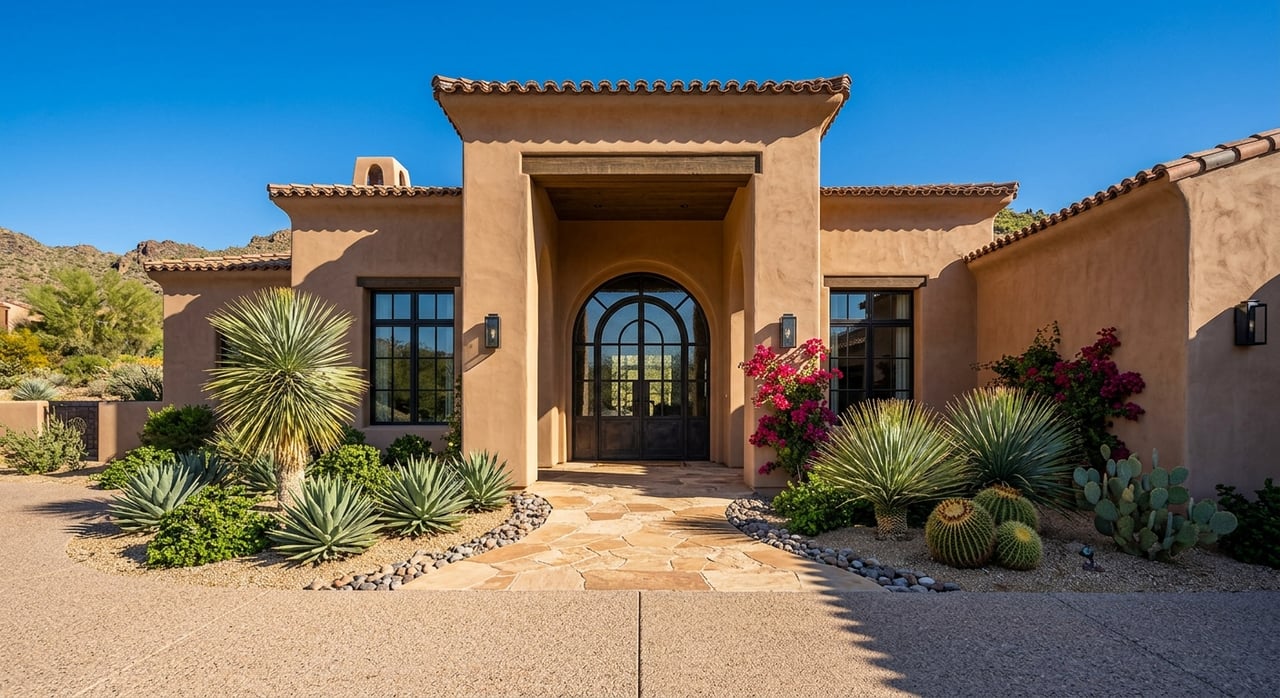
The Hideaway is a private, member-owned club community in La Quinta with about 600 acres, 434 residences, and two 18-hole golf courses. Membership is capped at 225 members per course, which helps explain why the community is often viewed as a more private, limited-supply club environment rather than a high-turnover vacation rental setting.
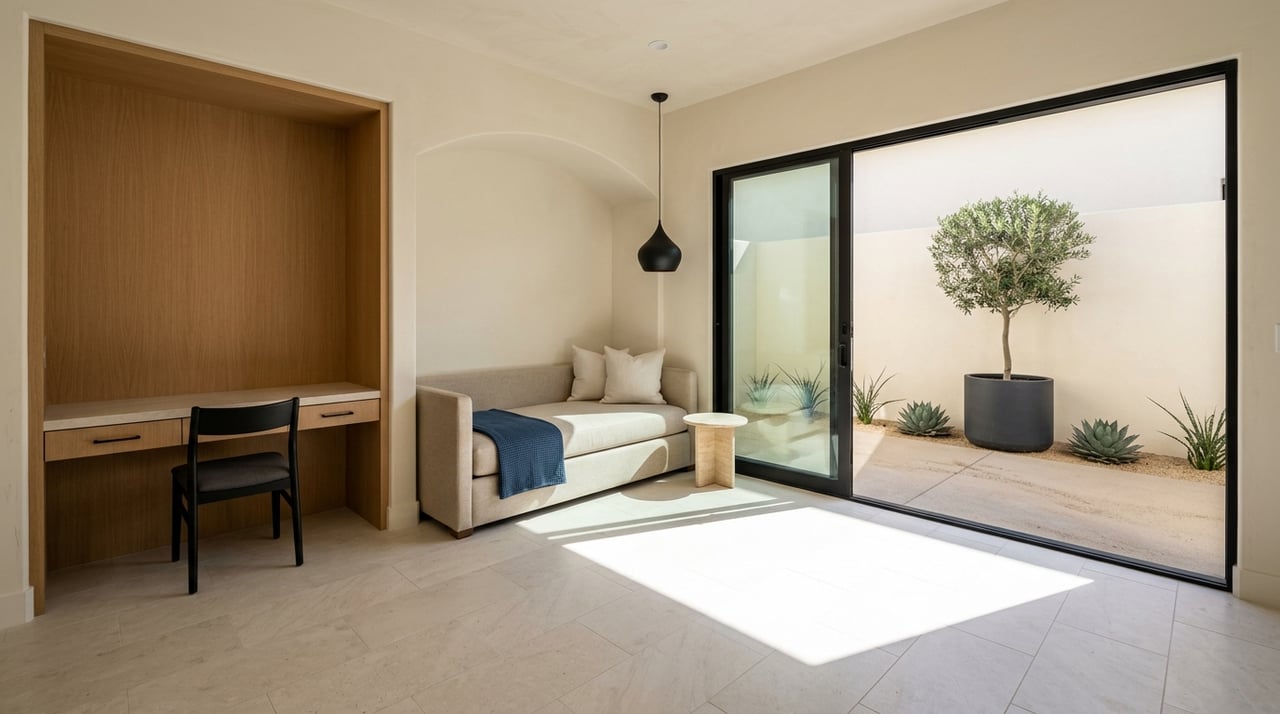
For a hybrid buyer, that distinction matters. In The Hideaway, the appeal is often tied to club access, privacy, and the overall ownership experience just as much as any potential rental revenue. In practical terms, this means your return may come from a mix of personal use, long-term desirability, and resale strength, not just monthly income.
Recent upgrades support long-term appeal
The club reports that a nearly $50 million renovation was completed in January 2026. Those improvements included a spa and fitness center, a main bar, renovated dining spaces, a new golf shop and poolside bar, bocce courts, expanded pickleball and tennis facilities, and improved practice areas.
If you are comparing luxury club communities across the desert, those updates matter. They can strengthen the everyday ownership experience and may also support resale appeal when future buyers weigh amenity quality, club atmosphere, and overall presentation.
Hybrid investment means something different here
When buyers hear the phrase hybrid investment, they often imagine a home they can enjoy part of the year and rent freely the rest of the time. In The Hideaway, that is too simple of a framework.
A more realistic way to look at it is this: The Hideaway can function as a hybrid investment in a narrower sense. The lifestyle dividend is strong, but the short-term rental dividend is heavily constrained by current La Quinta rules.
La Quinta short-term rental rules are restrictive
In La Quinta, a short-term vacation rental is a legally permitted dwelling rented for 30 consecutive days or less. Before advertising or renting one, the city requires both a short-term vacation rental permit and a business license.
The city identifies permit types such as Homeshare, Primary Residence, General STVR, and Estate Home. That sounds broad at first, but the details are what matter for buyers considering The Hideaway.
New permits are largely prohibited
The city says new STVR permits have been prohibited since May 20, 2021, except for limited exceptions. Those exceptions are focused in certain resort or special-plan areas, including communities such as Legacy Villas, La Quinta Resort, SilverRock/Talus, Club at Coral Mountain, Signature at PGA West, and Puerta Azul.
The Hideaway is not listed among those exempt areas. Based on the city’s exemption list and permit rules, buyers should not assume a new non-hosted short-term rental permit will be available for a home in The Hideaway.
Current rules are still in place
La Quinta voters did not approve Measure A, and the city confirms that Chapter 3.25 remains in effect. For buyers, that means today’s restrictive short-term rental framework is still the one you should use when evaluating a purchase.
This is important because many buyers still hear outdated assumptions about desert rental flexibility. In The Hideaway, that can create a gap between what sounds possible and what the city actually allows.
Homeshare is different from a second-home rental strategy
Outside exempt areas, Homeshare is the clearest path that may still work, but it comes with a major condition. The owner must occupy the home throughout the guest stay.
That makes homeshare better suited to an owner-occupied property with occasional hosted income. It is not the same as buying a second home, leaving town, and renting it out nightly or weekly while you are away.
You cannot rely on a seller’s permit history
One of the biggest mistakes buyers make is assuming a property’s past rental use automatically transfers with the sale. In La Quinta, the city says STVR permits are annual, business licenses are also required, and permits are not transferable to a new owner.
The city also states that permits close upon sale. So even if a seller rented the home previously, that history should not be treated as a guaranteed income asset for the next owner.
Taxes and compliance affect the math
If a property does legally qualify for short-term rental activity, the local tax structure also matters. La Quinta applies a 10% transient occupancy tax on short-term rental income and a 1% TBID assessment on stays of 27 days or less.
The city also notes that TOT is due monthly and that the tax base includes guest-charged fees such as cleaning and pool-heating charges. For a buyer running numbers, this means gross revenue does not equal net income, and compliance costs need to be part of your underwriting from day one.
Enforcement is active, not theoretical
La Quinta’s enforcement environment is another reason to stay careful. As of December 31, 2025, the city reported 1,215 active STVR permits citywide.
The same city report states that 47% of 2025 complaints involved unpermitted properties, and 87% of citations in 2025 were administrative rather than nuisance-related. That suggests the city is not just responding to obvious problem properties. It is also monitoring permit and rule compliance closely.
Seasonal demand is real in the Coachella Valley
None of this means rental demand is weak across the region. In fact, the broader Coachella Valley has strong tourism and seasonal demand, especially during winter and spring.
La Quinta’s tourism information points to a large winter and spring seasonal population, more than 20 golf courses, and recurring event drivers such as The American Express tournament and the La Quinta Art Celebration. Those patterns help explain why desert homes can attract strong interest during peak months.
Regional numbers support peak-season strength
Visit Greater Palm Springs reports that tourism is the region’s largest industry, supports 1 in 4 jobs, and welcomed 14.5 million visitors in 2024 with $9.1 billion in total economic impact. Its vacation rental dashboard for professionally managed homes showed paid occupancy of 33.8% in January 2026, 47.7% in February 2026, and 51.6% in March 2026.
Average daily rates also climbed from $370 in January to $385 in February and $443 in March. Those numbers reinforce the usual winter-to-spring strength that many buyers hope to tap into.
The Hideaway serves a narrower demand profile
Even with strong regional demand, The Hideaway likely appeals to a more specific renter or buyer profile. Based on the club’s private setting, limited membership, and amenity package, interest is more likely to center on golf-oriented, social-club, and family gathering use than on broad, high-turnover vacation rental traffic.
That can still be valuable, but it supports a different investment story. You are not buying a mass-market vacation rental play. You are buying into a private club environment where exclusivity and lifestyle carry real weight.
How to underwrite a Hideaway purchase
If you are considering a home in The Hideaway as a hybrid investment, it helps to rank the value drivers in the right order. A practical underwriting model should put personal enjoyment, club value, and long-term appreciation first.
After that, any rental income should be treated as conditional. It depends on the property’s exact permit status, how you plan to use the home, and whether the ownership structure aligns with city rules.
A simple way to frame the opportunity
Here is the clearest lens for most buyers:
- Best fit: A luxury personal retreat with strong lifestyle value and possible limited income flexibility
- Less ideal fit: A purchase that depends on unrestricted nightly or weekly rental revenue
- Core risk: Assuming city permission or seller history will carry your investment plan
- Core strength: Buying into a private club community with recent capital improvements and long-term desirability
HOA review is not optional
Even when a city allows some form of short-term rental activity, HOA rules can create a second layer of restrictions. La Quinta notes that some city-exempt properties still require HOA approval to operate short-term rentals.
For buyers in The Hideaway, HOA document review should be a required part of due diligence, not an afterthought. Before you count on any income strategy, you want clear confirmation on both city rules and community-level restrictions.
When to compare other communities
If your investment thesis depends on frequent short-stay income, The Hideaway may not be the cleanest fit. La Quinta’s more rental-friendly inventory is concentrated in resort or special-plan communities such as Legacy Villas, La Quinta Resort, SilverRock/Talus, Signature at PGA West, and Puerta Azul.
That does not make The Hideaway a weaker purchase. It simply means the value proposition is different. If your goal is a best-in-class club home with personal-use appeal and carefully vetted income flexibility, The Hideaway can make sense. If your goal is broad short-term rental freedom, comparison shopping becomes even more important.
Smart due diligence before you buy
Before moving forward on a Hideaway purchase, keep this checklist in mind:
- Confirm whether the parcel is in a city-exempt area or qualifies only under homeshare or large-lot status
- Do not assume a seller’s permit transfers after closing
- If you want short-stay income, verify whether owner occupancy would be required during guest stays
- Review HOA documents and operating rules carefully
- Model taxes, licensing, and compliance costs into your projections
- Underwrite the purchase as a lifestyle-first asset, not an unrestricted rental property
The buyers who feel best about this community usually understand exactly what they are buying. In The Hideaway, that often means embracing a more refined kind of hybrid investment, one built on lifestyle, scarcity, and long-term appeal rather than easy short-term rental volume.
If you want help evaluating The Hideaway against other La Quinta options, or you want a clear read on how a specific property may fit your goals, Nyla Doering can help you navigate the details with a local, data-driven approach.
FAQs
Can you use a home in The Hideaway as a short-term rental?
- You should not assume broad short-term rental use is allowed. The Hideaway is not listed among La Quinta’s exempt areas for new non-hosted STVR permits, so any rental strategy needs careful property-specific review.
Does a seller’s short-term rental permit transfer with a Hideaway home sale?
- No. La Quinta says STVR permits are not transferable and close upon sale, so a seller’s past rental activity does not automatically become a buyer’s right.
What is the best investment case for a home in The Hideaway?
- The strongest case is usually lifestyle-first ownership with long-term desirability, club value, and possible limited income flexibility depending on the property’s exact status.
Does homeshare work for a second home in The Hideaway?
- Homeshare requires the owner to occupy the home throughout the guest stay, so it is generally not the same as renting out an empty second home while you are away.
Why should buyers review HOA rules for The Hideaway homes?
- HOA rules can add another layer of restrictions beyond city rules, so buyers should verify both before relying on any rental income plan.
Are there more rental-friendly alternatives to The Hideaway in La Quinta?
- Yes. The city’s more rental-friendly inventory is concentrated in certain resort or special-plan communities such as Legacy Villas, La Quinta Resort, SilverRock/Talus, Signature at PGA West, and Puerta Azul.