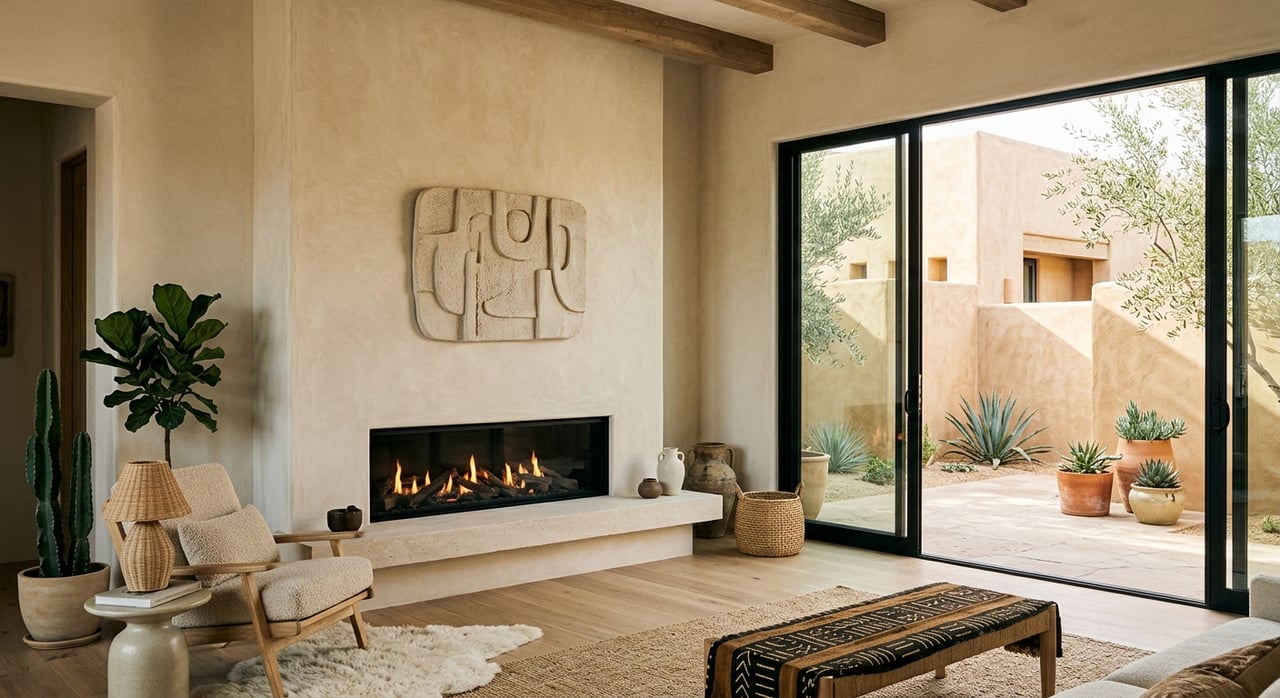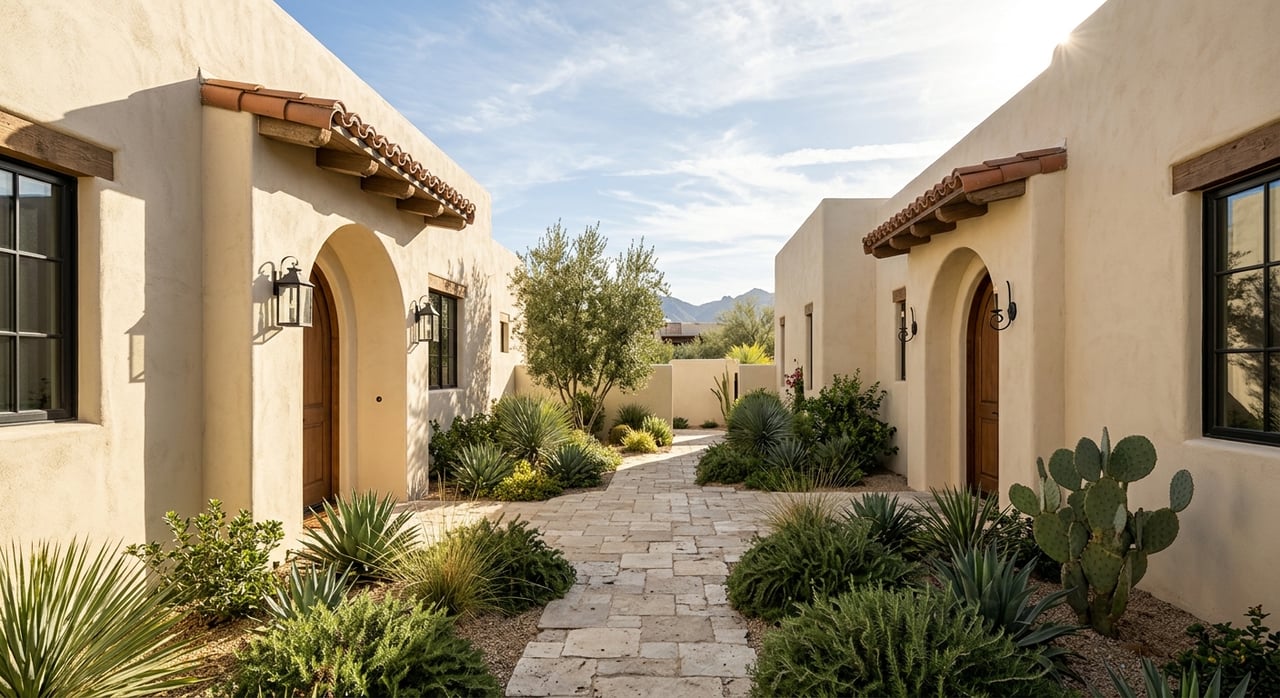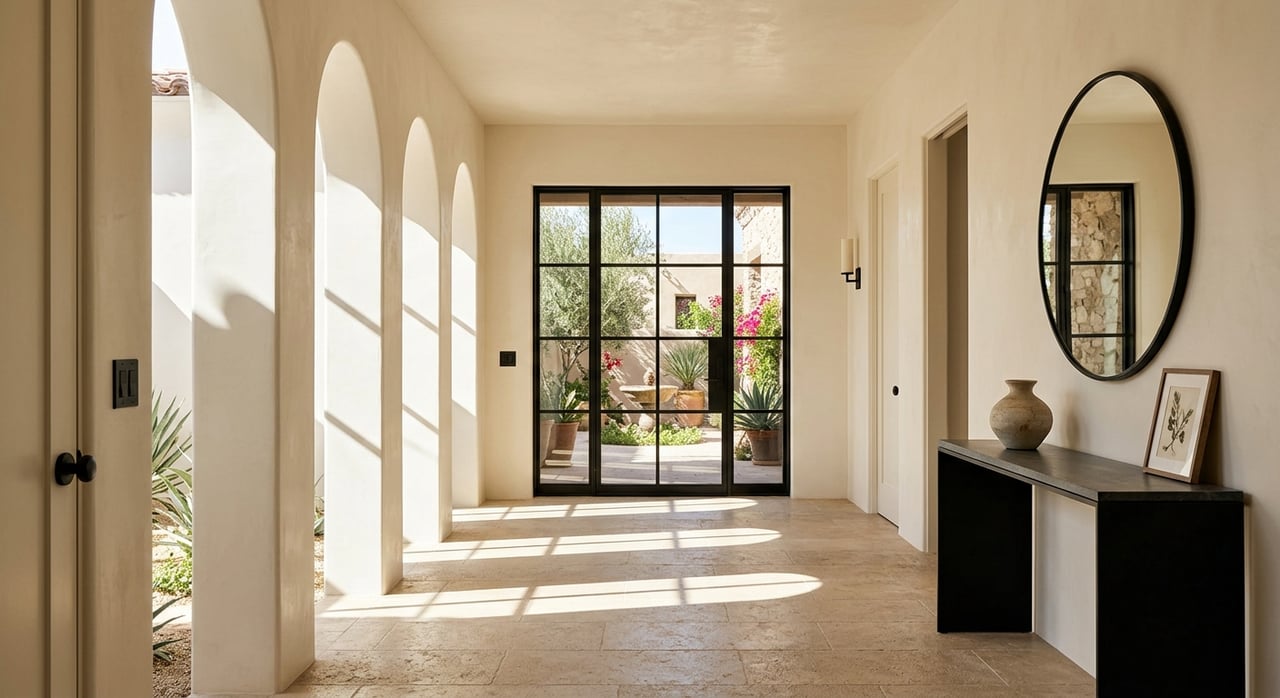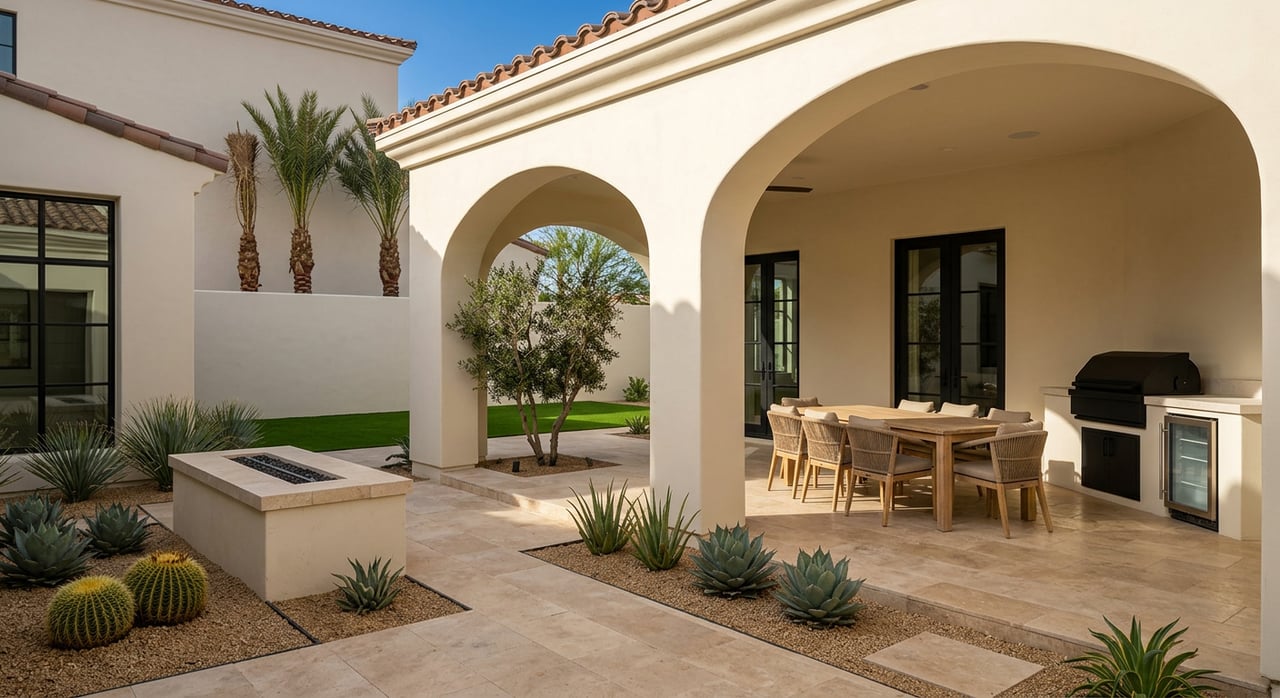
Wondering if a home in The Hideaway can work as both a personal retreat and an income property? It is a smart question, especially in a community where privacy, presentation, and smooth operations matter just as much as the home itself. If you are weighing a purchase or planning how to use a property you already own, the key is to start with the rules first and the calendar second. Let’s dive in.
Start With The Legal Path
If you are thinking about hybrid use in The Hideaway, your first step is to identify which legal use model actually applies to the property. In La Quinta, the city is the main regulator for short-term vacation rental activity, and the current program places a permanent ban on new General and Primary STVR permits except in exempt areas. That means you should not assume a weekend-rental strategy is available just because a home feels well suited for it.
The city still allows homeshare permits in limited cases, but only when the owner occupies the property throughout the visitor’s stay. There is also a possible exemption path for Large Lot Qualified and Certified properties if the parcel is at least 25,000 square feet. Before you underwrite income, market a property, or build a usage plan, you need to confirm which path, if any, is available.
Why The Hideaway Requires Extra Care
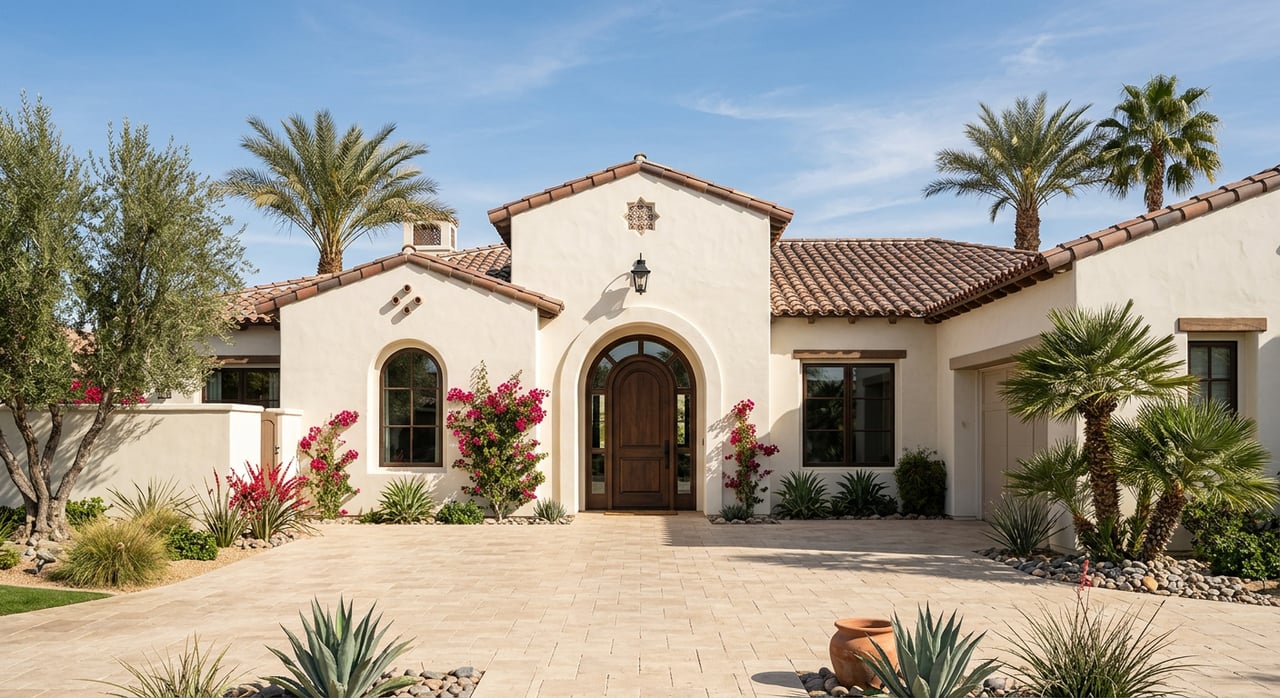
The Hideaway is a 600-acre gated community in La Quinta with 447 homesites, 381 completed homes, two golf courses, and 24/7 onsite security. Its HOA emphasizes property values and homeowner satisfaction, and the association uses TownSq for architecture requests, amenity reservations, document access, and communication. That setup points to a community where presentation and rule compliance carry real weight.
For you as an owner, that means city eligibility is only one layer of the decision. You also need to review the HOA documents, including CC&Rs and any rules or approval processes that could affect how the home is used. In a gated, security-managed setting, details that might feel minor elsewhere can become major operational issues here.
Three Practical Hybrid-Use Models
The safest way to think about hybrid use in The Hideaway is to choose the legal model first, then design the home and your schedule around it. In practice, most owners will land in one of three categories.
Owner-Only Retreat
This is the simplest model. You use the home for seasonal stays, long weekends, family visits, or extended personal use without trying to layer in short-term guest occupancy.
For many luxury buyers, this approach fits The Hideaway well because it reduces compliance risk and keeps the home ready for your own enjoyment. It can also make ownership feel more relaxed, especially if your priority is lifestyle, privacy, and easy lock-and-leave use.
Owner-Occupied Homeshare
If the property qualifies and you are comfortable being onsite during guest stays, homeshare may be the only short-term path available. La Quinta’s program allows homeshare only when the owner occupies the property throughout the visitor’s stay.
This is not a passive rental setup. It works best if you want occasional income while maintaining direct control over the home, guest behavior, and day-to-day logistics.
Longer-Term Hold
If short-term use is limited or unavailable, a longer-term hold may be the more practical strategy. The research provided here does not define the exact structure for longer-term leasing in this community, so the important point is not to assume it falls under the same rules as short-term rental activity.
Instead, treat it as a separate review item. That means confirming city requirements, checking HOA documents, and making sure your intended use aligns with the property’s actual eligibility before you advertise or sign anything.
Verify Eligibility Before You Buy
In The Hideaway, hybrid-use value starts with due diligence. A beautiful home, strong layout, or attractive guest casita does not automatically create legal rental potential.
Your first question should be: what is this specific property allowed to do right now? La Quinta maintains a weekly active and suspended permit list and a public portal map, and those tools are designed to help verify current status. Because permit standing can change, this is worth checking again before underwriting, listing, or closing.
Watch For Large-Lot Status
Some owners may look at the large-lot exemption path, but that status is not something to assume from curb appeal alone. The city notes that the parcel must be at least 25,000 square feet for that exemption category.
If this path matters to your decision, verify lot size and certification details early. It is much better to confirm that before you model seasonal income than to discover later that the home does not qualify.
Do Not Overlook ADUs Or Casitas
In luxury desert communities, detached guest space can be a major draw. But in La Quinta, accessory dwelling units are not eligible for STVR permits.
That matters if a property includes an ADU, guest house, or casita that you hoped to use as a short-term rental component. This is one of those details that can materially change a hybrid-use strategy, so it deserves attention early in the process.
Treat Parking And Taxes As Core Numbers
Many buyers focus on nightly rates, seasonality, and furnishing costs first. In reality, parking and tax compliance can be just as important because they affect whether a property can operate cleanly under city rules.
La Quinta ties permit and business-license renewal to factors including code violations, unpaid transient occupancy tax, and adequate on-site parking. In other words, compliance is not a side task. It is part of the basic financial model.
Parking Can Limit Use
Under the city code, adequate parking means the overnight-occupant-to-parking ratio cannot exceed 4:1. The city’s parking code also requires off-street parking for residential uses.
For you, this means garage space, driveway configuration, and practical guest vehicle planning should be reviewed early. Even in a luxury community, parking layout can affect whether a property is workable for authorized guest use.
Monthly TOT Reporting Matters
La Quinta defines a transient stay as occupancy of 30 consecutive calendar days or less. For those stays, STVR operators must comply with Chapter 3.24 transient occupancy tax rules, including monthly returns, even if the unit was not rented that month.
The city’s transient occupancy tax rate is 10% for non-group-hotel occupancy. The city also requires records to be kept for three years. If you are evaluating hybrid ownership, these filing and recordkeeping obligations should be part of your planning from day one.
Set Up The Home For Easy Resets
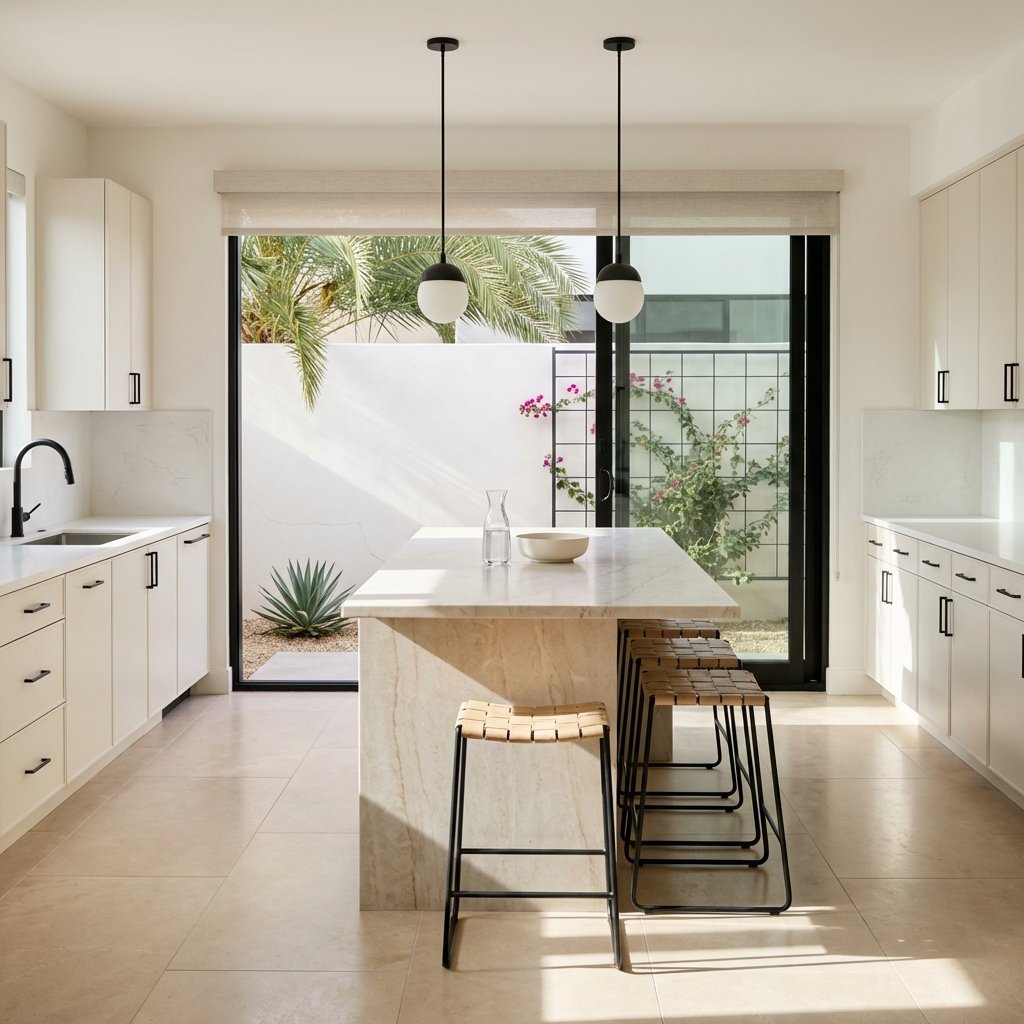
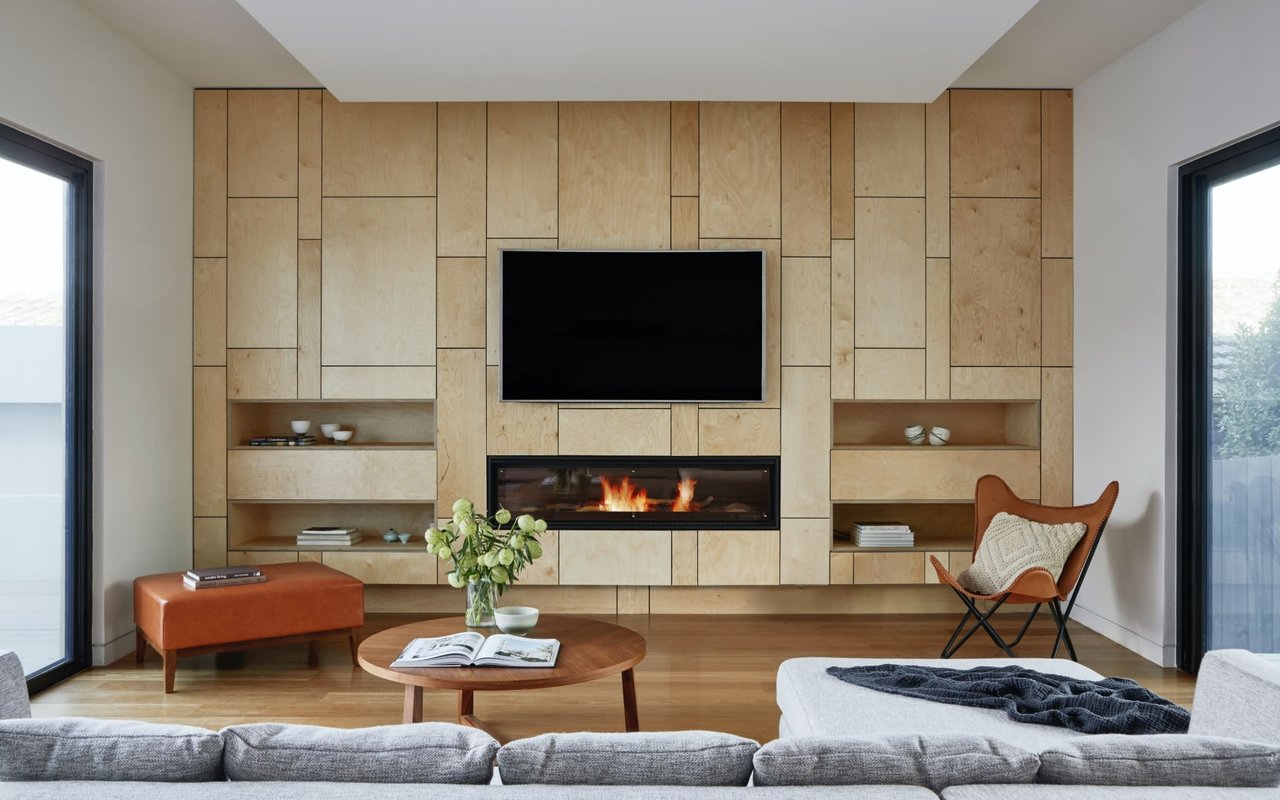
Once the legal path is clear, the next step is preparing the home so it can transition smoothly between your personal use and any authorized guest stays. In a community like The Hideaway, thoughtful setup helps protect the home’s condition and makes ownership easier.
A strong hybrid-use setup often includes:
- Durable surfaces that hold up well over time
- Limited fragile décor
- Locked owner storage for personal items
- Duplicate linens and kitchen basics
- A simple inventory system for fast checks and resets
This kind of planning supports efficiency and helps reduce wear, confusion, and last-minute scrambling. It also aligns with the community’s emphasis on property values and homeowner satisfaction.
Build A Local Support Team
Even the best hybrid-use plan can break down without reliable local help. Because The Hideaway is gated and security-managed, and because the city can act on complaints, response time and professionalism matter.
A practical local support bench may include:
- A property manager or HOA-aware cleaner for turnovers
- A handyman for quick repairs
- A tax professional who can manage monthly TOT filings and zero-reporting months
The city’s STVR portal supports permit processing and online TOT payment, while the HOA’s TownSq and management channels are key communication points on the community side. If you want the home to function smoothly, having local, redundant support is a smart move.
Prepare For Guest Logistics In Advance
If your property has an authorized guest-use path, create the operating plan before the first stay. In a gated community, smooth arrivals and clear rules are part of protecting both your experience and the neighborhood around you.
At minimum, you should document:
- Arrival and departure instructions
- Parking assignments
- House access procedures
- A local response contact
These steps may sound basic, but they can help prevent avoidable issues. In a compliance-focused environment, good operations are often what separate a workable hybrid-use plan from a stressful one.
Hybrid Use Works Best With Realistic Expectations
The opportunity in The Hideaway is not just about whether a home can produce income. It is about whether the property fits your lifestyle goals and can operate within La Quinta’s current rules and the HOA framework.
For some owners, that will mean a polished owner-only retreat with minimal friction. For others, it may mean owner-occupied homeshare or a longer-term hold that is reviewed carefully before launch. The strongest strategy is usually the one built on verified eligibility, clean operations, and a clear understanding of what the property can realistically support.
If you are considering a purchase in The Hideaway or rethinking how to use a current property, working through these details early can save time and protect value. For tailored guidance on luxury and hybrid-use property strategy in La Quinta and across the Coachella Valley, connect with Nyla Doering.
FAQs
Can a home in The Hideaway be used for short-term rentals?
- Only if the property qualifies under La Quinta’s current rules and the HOA documents allow the intended use. New General and Primary STVR permits are permanently banned except in exempt areas, and homeshare requires owner occupancy throughout the guest stay.
What counts as a short-term stay in La Quinta?
- In La Quinta, a transient stay is occupancy of 30 consecutive calendar days or less.
Do owners in La Quinta still file TOT returns during vacant months?
- Yes. The city requires monthly transient occupancy tax reporting even when the unit was not rented that month.
How can you check a property’s current STVR status in La Quinta?
- You can review the city’s weekly active and suspended permit list and the public portal map before making assumptions about current eligibility.
Does parking affect hybrid-use eligibility in La Quinta?
- Yes. The city ties permit and business-license renewal to adequate on-site parking, and the overnight-occupant-to-parking ratio cannot exceed 4:1.
Can an ADU or casita in La Quinta be used for STVR permits?
- Accessory dwelling units are not eligible for STVR permits, so detached guest space should be reviewed carefully before you build a hybrid-use plan around it.